

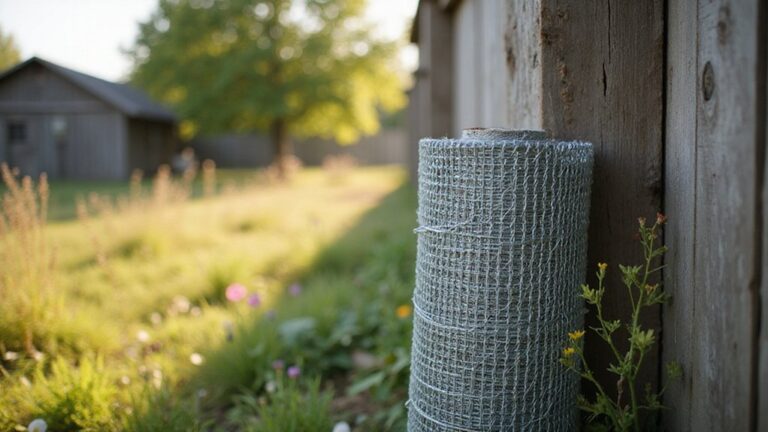
Ever wondered if chicken wire really rusts? The truth is, it will over time when exposed to moisture and air, especially if it’s made from plain steel.
Even galvanized coatings can eventually wear down, leaving your wire vulnerable.
Keep reading to find out how to choose the most durable options and when it might be time to replace your wire.
Does Chicken Wire Rust?
Yes, chicken wire can rust. Since it’s made from steel, exposure to oxygen and moisture causes it to corrode over time. Rust appears as an orange-brown discoloration, which can lead to flaking and increased brittleness as corrosion progresses. This deterioration weakens the mesh, creating gaps that may fail to contain your flock. Historically, plain steel wire was common, so farmers often replaced panels frequently. To avoid constant replacements, consider using galvanized wire coated with zinc or options made from aluminum—both resist rust much better. Keep in mind, scratches or contact with wet soil can expose bare metal, speeding up decay. Choosing galvanized or aluminum wire and inspecting for rust early can significantly extend the lifespan of your chicken wire before it fails structurally. For preventing rust, applying a protective spray coating may help shield the metal from moisture and oxygen exposure. A more durable alternative is hardware cloth because its welded steel construction holds up longer against corrosion than woven chicken wire. For applications requiring a more targeted solution, top bee traps are specifically designed to intercept carpenter bees and prevent wood damage.
Why Some Chicken Wire Types Rust Faster Than Others
Some chicken wire types rust faster than others because the coatings on them vary in thickness and coverage. Bare steel or electro-galvanized wire are the most vulnerable, as their thin zinc layers wear through quickly, especially at scratches or bends. The manufacturing process also plays a role: wire galvanized before weaving often gets damaged at contact points, exposing steel that rusts faster. Hot-dip galvanized wire has a thicker coating, which offers better resistance to rust over time. Surface treatments like PVC overlays provide an extra barrier, slowing moisture contact. However, cracks in the coating or cut ends can become early rust spots. Environmental factors such as high humidity or salt air can accelerate corrosion, especially on coatings that are thinner or compromised. Choosing the right type of wire depends on understanding these differences, as a better surface treatment and manufacturing process can significantly prolong its lifespan. For pest control applications, selecting the right fly trap for horse flies similarly requires evaluating coating durability against harsh outdoor conditions. Just as with choosing a bee suit to shield from wasps, the effectiveness of a protective layer depends on its material thickness and integrity against environmental threats. Much like a decoy’s painted eyes can degrade in sunlight, thin zinc layers fail first where scratches expose the steel underneath.

【Size Specification】Size of our hardware cloth is 8 inches wide by 20 foot long, wire 1/4 inch thick, and 23 gauge.

【Specifications】Hot-dip galvanized wire mesh,24-inch 50-foot 1/2-inch 21GA ,wire fence, pay attention to the length and mesh, the mesh surface is flat, easy to unfold, and not easy to break.
How Galvanized Chicken Wire Rusts Over Time
Galvanized chicken wire rusts over time through a predictable sequence, despite its design to resist corrosion. Initially, the zinc coating on the wire oxidizes, forming white zinc oxide and hydroxide layers. These surface treatments temporarily protect the steel beneath but are gradually consumed during corrosion cycles, as zinc sacrificially shields the steel. It is only when the zinc layer is fully depleted that red rust becomes visible on the steel wire. The thickness of the galvanization affects how long the wire lasts; Class 1 wire may rust in 2 to 11 years, while thicker coatings like Class 3 can last between 13 and 30 years. Once the zinc fails, the steel beneath begins to corrode rapidly, making the appearance of red rust an unmistakable sign that the protective layer has been exhausted.
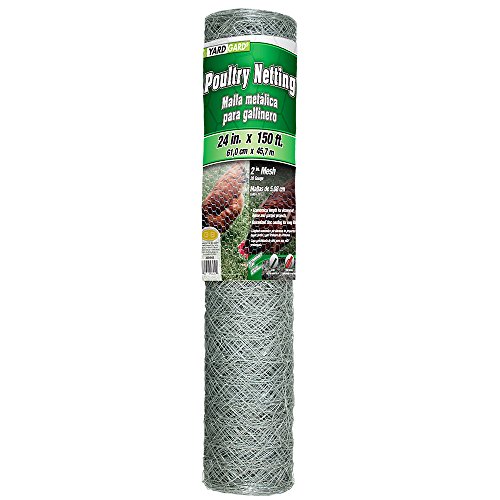
HEAVY DUTY MATERIAL – Made from strong yet lightweight 20‑gauge galvanized steel designed to endure outdoor conditions and long‑term farm use
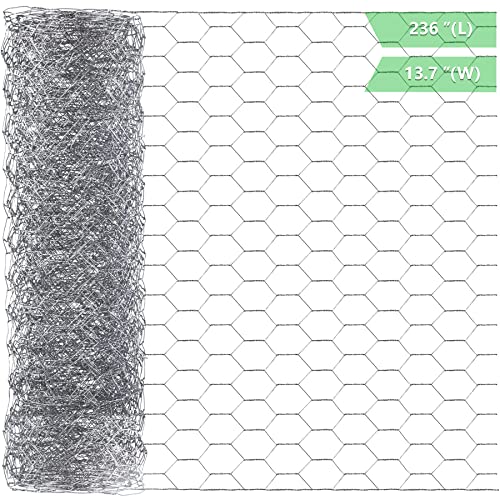
【Large Size】Each mesh is 13.7 inch (width) x 236 inch (length) / 0.35 m x 6 m, 0.8 x 1.38 inch mesh. Wire fencing is long and wide enough to enable you to cut off any shape that you need
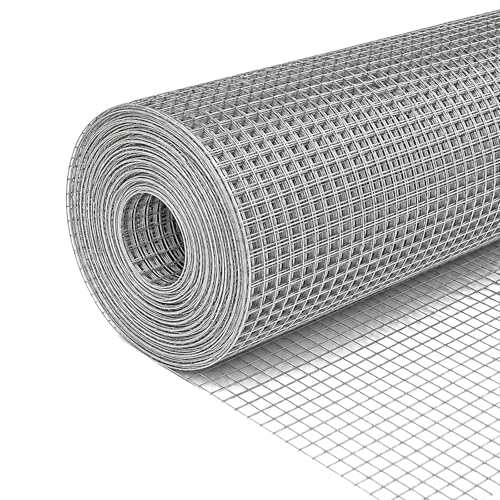
Hardware Cloth 1/2inch for Chicken Coop – 16 inch x 50 ft welded wire mesh made from 23-gauge galvanized steel hardware cloth. Provides reliable strength and flexibility for chicken wire fencing, garden protection, and general outdoor use
Conditions That Make Chicken Wire Rust Faster
Conditions that accelerate rust on chicken wire include factors such as high humidity, salt exposure, physical damage, chemical contact, and soil contact. Humid environments with relative humidity above 60% trap moisture on the wire’s surface, increasing corrosion speed. Near coastal areas, salt spray from the sea reacts with the zinc coating, quickly consuming it and leaving the steel vulnerable within a few years. Physical damages like scratches or contact with animals expose bare steel, bypassing protective coatings and enabling rust to develop faster. Chemical exposure from fertilizers, chlorine, or animal waste can break down the galvanization layer rapidly. Additionally, soil contact retains moisture against the wire, creating an ideal condition for rust to form. Using a DIY gnat trap with apple cider vinegar near the wire can reduce moisture-attracting organic debris that accelerates rust. For severe infestations in these conditions, using effective pest control products like bug bombs may help address spider problems near rust-prone areas. To protect the wire itself, selecting a spray with a top wasp spray can also prevent pests from nesting in deteriorating sections. Managing these factors is essential to prolong your chicken wire’s lifespan and prevent premature deterioration.

Ideal for use on wrought iron and spot-welded metal, gutters, chain-link fences and more to repair weathered galvanized finishes

Chicken Wire Fence: Protect your garden plant flowers, vegetables, fruits from annoying animals like cat, dogs, squirrels, rabbits, rats, deer, hawks, raccoons, skunks, foxes.

Heavy Duty Chicken Wire – True 19 Gauge Steel: This 16in x 10ft chicken wire roll is built from real 19 gauge welded steel for dependable strength. Unlike thin or flimsy mesh, it holds its shape after installation, making it ideal for reinforcing chicken coops and outdoor fencing.
When to Upgrade Wire Materials
If you’re frequently patching holes or noticing sagging, it’s time to upgrade your wire material. Repeated repairs and coating failures indicate your current wire cannot withstand the environment’s demands. For outdoor applications, galvanized steel offers good corrosion resistance at a reasonable cost. When long-term rust resistance is critical, especially in marine or highly moist areas, stainless steel—specifically Type 316—provides superior durability despite a higher price. For most yard projects, 19 gauge wire balances strength and flexibility better than thinner alternatives, reducing the risk of sagging under pressure. For severe indoor pest issues, bug bombs for roaches offer a temporary, enclosed-space solution, but wire upgrade remains the priority for lasting exterior durability. Choosing a live trap for rats can also help manage rodent problems without harming animals.
Historical usage shows plain chicken wire deteriorates quickly in damp conditions, making it unsuitable for long-term outdoor projects. Modern installation techniques favor thicker, welded mesh for high-stress or heavy-use jobs, ensuring stability and longevity. For added outdoor resilience, switch to PVC-coated wire, which offers enhanced durability and weather resistance. If animal pressure exceeds your current wire’s strength, upgrading to a larger diameter enhances resilience. Never settle for constant rust repairs—select a wire material that aligns with your environmental conditions to ensure lasting performance.
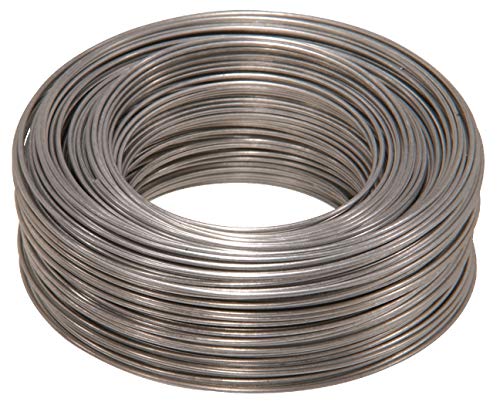
Corrosion Resistance: This Steel 20 Gauge Galvanized Hobby Wire cable offers exceptional corrosion resistance, ensuring durability for craft and DIY projects

STRONG MULTI-PURPOSE WIRE: This galvanized steel wire hangs framed pieces and mirrors and handles all-around binding, bracing, and repair, strong enough to support up to 25 pounds yet flexible enough to loop, twist, and cut to length.

VERSATILE HOBBY AND CRAFT WIRE: This hobby wire handles hanging, binding, wrapping, and endless craft and DIY projects, bending and shaping easily by hand to hold up to 55 pounds while staying easy to cut, loop, and twist to size.
Spot Rust Early and Make Wire Last Longer
Early detection of rust on chicken wire is crucial to prevent structural weakening. Look for white rust, which appears as a chalky film on galvanized wire, indicating early coating breakdown. Dark spots and red-brown stains also signal rust that has penetrated protective layers. For serious infestations, consider using squirrel bait traps as a targeted pest control method alongside repairs. Environmental factors like humidity, rain, and salty air accelerate rust formation, so you should inspect your wire regularly—especially after storms. Pay close attention to bends, cut ends, and contact points where damage and corrosion often start. Proper maintenance can extend the life of your wire: store it off the ground, keep it dry and well-ventilated, and apply zinc-rich paint to scratches. Cleaning off dirt and ensuring the wire is not in contact with incompatible metals like copper help prevent galvanic corrosion. If you notice red-brown rust, the zinc layer has been breached and steel is exposed, which requires action. Building a DIY yellow jacket trap can be a simple weekend project using cheap materials to keep pests away. White rust can often be cleaned early if the zinc underneath looks intact, but don’t ignore it. For a different approach, using a bug bomb for fleas can help eliminate pests that might also damage your garden area. Repeated rusting signals protective failure, and replacing the wire before it weakens your structure is essential.
Chicken Wire Fence: Protect your garden plant flowers, vegetables, fruits from annoying animals like cat, dogs, squirrels, rabbits, rats, deer, hawks, raccoons, skunks, foxes.

High-Quality Anti-Rust Process This hardware cloth is made from high-strength low-carbon steel wire, combining excellent strength with flexibility. After precision welding, the entire product undergoes a premium anti-rust treatment—hot-dip galvanization—with special reinforcement at all seams and corrosion-prone areas to ensure uniform, dense coating and outstanding rust resistance. This process grants the product superior weather resistance, making it an ideal choice for wire mesh fencing and long-term outdoor applications.

【Larger Size】 You will receive a roll of chicken wire mesh, which measures about 16 inches x 13.1 feet, longer than others, 1 x 0.63 inch fine mesh, wire diameter: 0.9mm, perfect chicken wire for floral arrangements and craft projects