

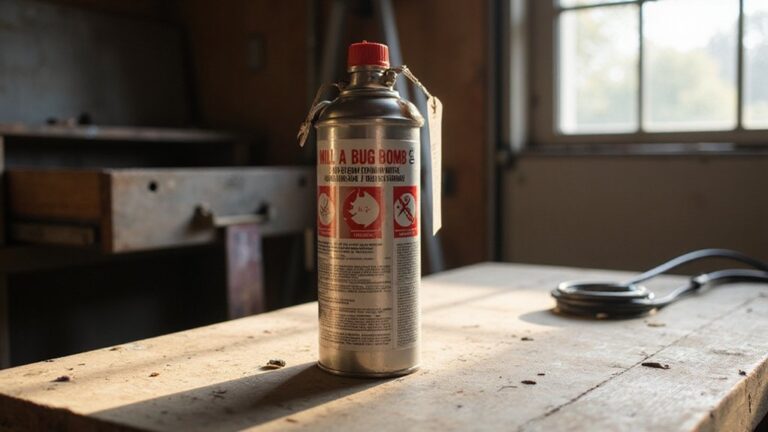
Thinking a bug bomb will wipe out termites? Sadly, that’s a common misconception.
While bug bombs can kill some insects on contact, they aren’t effective against termite colonies hidden deep inside walls, underground, or in their tunnels.
Using a bug bomb might give a false sense of progress, but the colony will survive, often unaffected.
Plus, these sprays come with safety risks like fires or toxic residues.
The good news is, there are safer, more targeted ways to handle termites — and you’ll find all the details below.
Will a Bug Bomb Kill Termites on Contact?
A bug bomb generally will not kill termites on contact. While it can affect insects directly exposed to the mist or those landing on an accessible surface, this effect is superficial and limited. Termites that are hidden inside their nests or tunnels are unlikely to be impacted by a fogger. The insecticide particles may not reach the entire colony, especially since termites tend to stay underground or behind walls. Using a bug bomb might provide some temporary relief for visible termites, but it does not address the core infestation. For effective control, you need targeted treatments designed specifically for termites or professional pest removal methods. Unlike foggers, specialized bee traps are designed to capture carpenter bees by targeting their nesting behavior directly.
Why Bug Bombs Can’t Reach Hidden Termite Nests
Bug bombs cannot reach hidden termite nests because these colonies are located deep inside wood, underground, or behind walls. The airborne fog released by a bug bomb simply cannot penetrate these solid barriers to reach the colony’s core. Chemical foggers are limited in their ability to penetrate dense materials like timber, soil, or drywall. As a result, they might kill some surface termites, but the queen, workers, and the main nest remain unaffected. The colony continues to feed and expand beneath the surface, making DIY fogging methods ineffective for structural infestations. Without directly targeting the nest itself, using bug bombs is a waste of time and money, as the core problem remains out of reach. Unlike mosquito treatments that can last for weeks when applied correctly, bug bombs have no residual ability to reach hidden termite colonies. Effective baiting strategies require directly targeting the nest location, similar to how a groundhog trap must be placed near the burrow entrance for success.
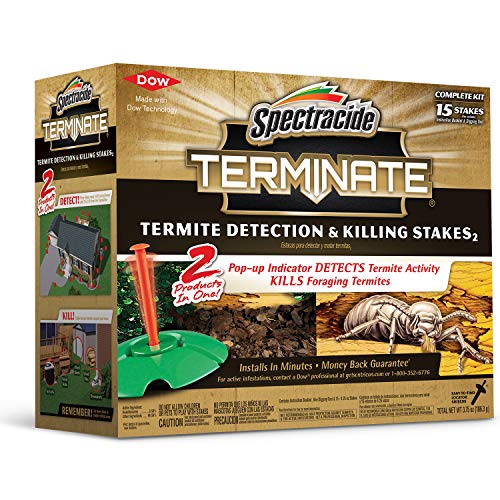
Two termite products IN one: pop-up indicators detect termite activity, and the stakes kill foraging termites

TWO TERMITE PRODUCTS IN ONE: Pop-up indicators detect termite activity, and the stakes kill foraging termites.

KILLS ON CONTACT: Kills termites*, carpenter ants, carpenter bees & other listed insects on contact
What Happens When You Fog a Room With Termites?
Fogging a room with insecticide does not eliminate termites. The chemical residue left on surfaces doesn’t penetrate deeply enough to reach the source of the infestation. Hidden termites within structural framing or underground nests survive the treatment, allowing the colony to continue thriving. This approach may temporarily reduce visible activity, creating a false sense of progress, but it does not address the root problem. Unlike a professional trapper who uses live animal traps to physically remove a coyote from a specific location, a room fog cannot block or seal off the deep channels termites use to travel and hide. This is similar to how a bee suit fails to protect against wasps because the mesh openings are too large to block their narrower stinger. For effective termite control, you need targeted treatments that reach and treat the nest directly, not just a room fog that leaves the colony unaffected.
Safe Fogger Practices If You Still Try One
If you still try a fogger despite its ineffectiveness against termites, following safety protocols is essential. Begin by carefully reading the label on the product; using more foggers than recommended does not increase chemical effectiveness and significantly raises the risk of explosion. Clear the room of all people, pets, food, and dishes to prevent exposure. Do not apply foggers in closets or small rooms smaller than 5 feet by 5 feet, as they may not distribute the chemical safely or effectively. Eliminate all ignition sources by turning off pilot lights and unplugging appliances that cycle automatically, such as refrigerators or thermostats. Ensure your gas appliances are in proper working order by checking their condition; contact a utility professional if necessary rather than attempting repairs yourself. However, unlike physical barriers such as chicken wire, which can be chewed through by rabbits, a fogger’s chemical barrier offers no physical resistance to termites. For yard treatment, mosquito bits instead target the larval stage of mosquitoes and other pests in standing water. Place the fogger in the center of the room as directed, then activate it while keeping it away from your face. If you inhale the chemicals, immediately move to fresh air and seek medical attention if symptoms persist. Immediately exit the area and post warning signs to prevent accidental entry during the fogging process. After the designated wait time, ventilate the space thoroughly by opening windows and using fans to remove chemical residues before reentering.

Operating Instructions: The machine must be started with both the power switch and atomization switch turned on simultaneously. Note: Only water-based atomizing solutions are permitted. Oily solutions or suspensions are not recommended, as they may severely clog the spray nozzle. Highly corrosive disinfectants are also prohibited.

Anti leakage design: incorporates anti leakage features to protect electrical shocks and user safety,anti leakage accessories for water heater,electric water heater installation

Pepper Shot 1.2% MC 2 oz pepper spray fogger. Pepper Shot Pepper Spray is made with 1.2% Major Capsaicinoids. The Major Capsaicinoids are the true heat measure and Pepper Shot 1.2% MC is more effective than of most other pepper sprays.
The Real Safety Risks of Bug Bombs for Termites
Bug bombs do not kill termites, but they do create significant safety risks. Respiratory exposure from fogging can cause coughing, dizziness, or nausea if you remain inside or reenter too soon. The flammable propellants in these products can ignite from pilot lights, leading to fires or explosions. On surfaces after fogging, toxic residues settle on floors and counters, increasing the chance of ingestion or skin contact—particularly dangerous for children who tend to put their hands in their mouths. Pesticide allergies may trigger severe asthma attacks that require emergency treatment.
The environmental impact extends beyond your home; unused chemicals can contaminate indoor air and nearby ecosystems. Pets are also at risk of poisoning from contact with contaminated surfaces or residues. Given these dangers, relying on bug bombs for termite control is risky and often ineffective. The health threats they pose outweigh the potential benefit of termite extermination, making them a poor choice for safe home pest management. For example, wasp spray is similarly ineffective against termites and poses comparable respiratory and flammability hazards. If you need to kill a different insect, consider that many ant killers are more targeted and far less hazardous than the aerosol fogging approach used by bug bombs. For targeted outdoor pest control, hanging carpenter bee traps in the correct locations provides a much safer alternative to fogging.
Why Professionals Say Bug Bombs Waste Your Money
Bug bombs are a waste of money because they fail to target the actual termite colonies. Termites often hide deep inside wood, walls, or underground, areas the fogger’s spray cannot reach. These chemicals only kill termites on contact, leaving queens and brood safe in inaccessible nests. Seeing a few dead termites on the surface might seem like progress, but the colony remains active and continues damaging your home. Without eliminating the entire colony, you only get temporary relief. Limited coverage and poor penetration mean hidden feeding zones stay active, allowing structural damage to continue and worsen over time. A similar DIY approach like a squirrel baffle relies on physical barriers rather than ineffective chemical sprays. In contrast, pond netting options are specifically designed to cover and protect an entire water feature effectively.

Easy to Apply Solution: Ready-to-use foam formulation with fipronil that expands 30:1 to penetrate deep into hard-to-reach voids, galleries, and nests; delivers precise application for targeted treatment without disruptive whole-house fumigation

KILLS LISTED TERMITES: Fast-releasing formula kills subterranean termites
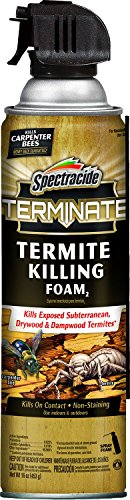
FOAMING AEROSOL: Expands into areas such as voids and channels in damaged wood, behind veneers and in cracks and crevices
Better Termite Control: Baiting and Liquid Treatments
Baiting and liquid treatments are both highly effective options for termite control, and choosing between them depends on your specific situation. Baiting systems involve placing cellulose stations infused with slow-acting insecticide around your property. Worker termites feed on the bait and spread the poison through the colony over several months, gradually eliminating the entire colony. This method is ideal if soil saturation is difficult to achieve or if you prefer a long-term, targeted approach.
Liquid treatments, on the other hand, create a chemical barrier in the soil beneath and around your foundation. When applied properly, these treatments kill termites on contact and can also carry non-repellent chemicals back to the colony, resulting in a faster kill. Liquid treatments are particularly effective for immediate, foundation-focused defense and are often preferred when you need rapid results for an active infestation.
Neither approach relies on the unreliable promises of bug bombs or DIY natural remedies, which typically fail against subterranean colonies. Instead, baiting offers a strategic, long-lasting solution that targets the entire colony over time. Liquid treatments provide a quick-acting shield that prevents further invasion. Both methods are proven to be more effective and reliable than surface-only fogging, making them the top choices for comprehensive termite control.
When to Call a Pest Control Expert
Call immediately if you see live termites or shed wings, as these indicate a hidden infestation. Spotting frass, which looks like tiny powdery pellets, buckling or sagging wood, or ongoing damage suggests active activity. Persistent signs after treatment attempts mean the colony is still present and needs professional attention.
Structural issues such as sagging floors or compromised walls also require expert intervention because they can be unsafe to fix on your own. Regular inspections—ideally once a year—help catch infestations early, especially before purchasing a new home. Professionals can confirm whether active termites are present and recommend targeted treatments, which are more effective than fumigation or bomb tactics often used by amateurs. Relying on expert assessments saves you time, prevents costly repairs, and ensures a safer, more effective pest control approach.

This bait system functions as a DETECTION tool, and does NOT contain termiticides. Install first to detect if termites are present before buying termiticides
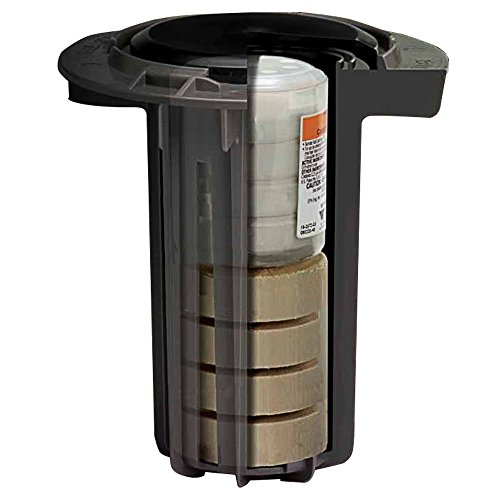
Includes one CASE of TBS systems: 10 x Advance Termite Inspection Cartdrdge (TIC), 10 x TBS station, 10 x wood block for monitor

Professional-Grade Protection: Trusted and widely used by pest control experts for effective termite management. 17 piece homeowners kit for use around home.
The Final Verdict: Bug Bombs Don’t Work on Termites
Bug bombs do not work on termites. They only kill the termites that are exposed on contact, but the colony remains hidden inside wood, walls, or soil. The fog from the bombs cannot penetrate these internal galleries, so the queen, brood, and most workers stay alive and continue damaging your property. This gives you a false sense of control without actually solving the problem.
Using bug bombs is like trying to kill weeds with chemical fertilizers: it misses the root and the hidden parts of the problem. They are ineffective because they don’t reach the termite nest, which can be deep inside structures or underground. Moreover, safety concerns arise since lingering residues can expose your family to harmful chemicals, or there’s a risk of fire.
For true termite control, you need methods that reach into the colony itself. These include bait systems, soil treatments, or professional-grade liquid treatments designed to penetrate wood and soil where termites live and breed. Bug bombs simply do not provide this level of efficacy, making them a poor choice for termite management.