


If you’re trying to trap a mink without causing unnecessary pain or frustration, choosing the right setup is key. A No. 1½ coilspring foothold or No. 110 body-grip trap is often recommended for a secure, humane catch.
Placing your trap near water features like streams or culverts where mink are active can increase your chances.
Keep reading to learn the best tips for success.
Which Trap Works Best for Mink?
The No. 1½ coilspring foothold trap is your best choice for mink. Its size offers a secure hold on these narrow-bodied animals while reducing the chance of misses. This trap is all-around effective for capturing mink quickly and humanely.
For those prioritizing fast kills, small body-grip traps like the No. 110 or 120 outshine larger models. These compact traps deliver a swift and lethal impact, which is crucial when targeting mink. Applying mosquito bits to standing water can similarly target pests at the larval stage before they become a problem. For outdoor areas, placing a bug zapper near the trap site may help reduce insect interference that could alert wary mink to your presence.
Trap condition matters just as much as the style. Regular maintenance—inspecting for rust, weak springs, and debris—is essential. Clean your traps with boiling water or a gentle cleaner to remove human scent and dirt. A clean trap signals less to a mink’s sharp nose and increases your chances of success.
Always choose a trap size that fits the mink’s body. Oversized traps tend to cause misses and injuries, reducing your overall capture rate. Whether you go with foothold, body-grip, or cage traps, matching the size to mink anatomy and keeping gear in top shape will boost your trapping efficiency. A well-maintained trap, similar to top bee traps reviewed for carpenter bees, must be kept in optimal condition to ensure reliable performance.
Where to Place Your Mink Trap for High Success
Placing your mink trap on or very near water maximizes your chances of success. Mink follow natural travel routes along stream banks, pond edges, marshes, and lake shores, so positioning traps in these areas is crucial. Focus on narrow passageways and bottlenecks—such as under fallen logs, through culverts, or between natural obstructions—because these locations funnel mink movement directly over your trap. Before handling a trap in these areas, always follow safe steps for opening the live trap to avoid injury to yourself or the animal.
Prioritize setup on steep banks and in bank pockets just below the waterline. These vertical banks restrict approach routes, making them ideal for pocket sets that increase your likelihood of catching mink. Always look for signs like fresh tracks, runs, and scats; these confirm regular activity in a spot and should be your guiding indicator over random shoreline areas. For those also protecting gardens, best garden netting reviews can help ensure quality barriers against pests.
Don’t forget to check high-traffic features like stream-ditch junctions, fallen trees, or muskrat runs. Springs are also attractive to mink and can provide consistent activity. Similarly, when targeting mosquitoes, best CO2 options attract biting pests by mimicking mammalian breath. Place your trap close to the bank or structure that guides their movement to ensure your trap is positioned where mink are most likely to pass. This strategic placement will significantly boost your catch rate.

Humanely Captures Animals – Ideal for trapping rabbits, skunks, and squirrels

HUMANE CAPTURE: This large live animal trap safely captures raccoons, cats, possums, and other small animals with a 1-door design that allows full entry before closing, reducing escape chances for effective pest control
Top Baits and Lures Mink Can’t Resist
Because mink are predators that prefer to kill their own food, you’ll need to use fresh, natural baits to overcome their wariness. Think of their natural diet: fresh fish like minnows or mackerel, muskrat carcasses, frog, rabbit, or chicken entrails. These options deliver raw appeal that can’t be beat. Tainted or old meat won’t attract mink—it’s the freshness that makes the difference. To increase your chances, pair your bait with a gland lure or mink urine at the trap site. Fish oil also helps draw mink in. But scent alone isn’t enough; place your bait deep inside the trap to encourage the mink to enter fully. When setting a pocket trap, position the bait behind the trigger to ensure proper engagement. Adding a small amount of fur on top provides visual attraction without blocking the trap mechanism. For securing the bait, consider using pond netting to create a small pouch that keeps the bait contained yet accessible.

【Portable and foldable】This is a very lightweight and foldable fishing device, which is suitable for both recreational fishing and capturing small aquatic creatures, bait fish, crayfish, or small crabs. It is an excellent choice for your family's outdoor entertainment

A fresh fish bait

How to Build a Pocket Set That Catches Every Mink
To build a pocket set that catches every mink, create a six-inch pocket at a sharp upward angle, about twenty inches deep. Position the bottom of the pocket two inches below water level, with the back rising three inches above it. Bed the trap tightly to the pocket opening, centered or slightly offset to ensure mink investigate thoroughly. Dig the pocket at a sharp downward angle to prevent animals from working the water access. Use a wasp and hornet spray near the set to clear aggressive stinging insects that could disrupt your work, as commercial spray formulations offer better longevity and cost efficiency than household alternatives. For an affordable and effective option, you can also deploy a simple vinegar-based trap near the set to catch small flying pests. However, for reliable pest control around your trap site, consider using a reviewed gnat trap that experts confirm offers superior performance and value.
Camouflage is crucial; cover the trap with water-soaked leaves or muddy material to hide its presence. Weather plays a role—avoid building during heavy rain, which can flood the pocket and wash away scent, and instead work after a dry spell to keep your scent active. Place bait such as crayfish or small fish at the back of the pocket, with lure on a grass wad near the opening. This setup encourages the mink to venture inside and cross the trap path every time.
How to Anchor Your Mink Trap for a Fast, Clean Catch
Properly anchoring your mink trap ensures a quick and clean catch. Start with solid trap maintenance by bedding the trap firmly so it doesn’t rock or shift. For water sets, keep the trap low and well-concealed to avoid detection by the mink. When choosing your anchoring method, consider environmental conditions. In loose soil, cross-stake instead of using a single stake. Drive the stake directly under the trap and test its stability—if it shifts, add a second stake for extra support. On concrete bridges with visible relief cracks, you can drive metal cables into those cracks using a notched round stock to anchor the trap quickly without loose weights. Keep the chain short but long enough to allow the mink to reach water deep enough for rapid drowning. Use strong fasteners like lap links instead of weak connectors to prevent failure. For water sets, a sliding wire or cable enables the mink to reach submerged areas quickly, reducing struggling and increasing your chances of a clean catch. Match your anchor setup to the site conditions; an overstaked trap can prevent pull-outs but should not be so heavy that it makes setting difficult. Choosing the right anchoring method is similar to selecting a bug bomb for roaches, as both require matching the approach to the specific environment for effective results. For staking in soft ground, consider using cross-stakes for chicken wire to provide the same reliable grip needed to prevent trap displacement. Using cheap materials from DIY refill projects can also inspire cost-effective anchor components that remain strong under pressure.

Saves Time and Effort: Still struggling to drive screw anchors into soil containing tree roots and gravel? Our earth anchorscan be easily driven into soil containing tree roots, loose gravel, and sandy soil, securing them to the ground more easily and quickly than screw anchors. No drilling or digging is required—simply use a steel pile driver to drive them effortlessly into the ground. These shed anchor can significantly improve your work efficiency, saving you time and effort.
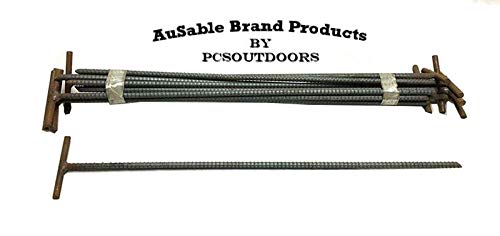

Trap Ground Fixed Stake, 12" Heavy Duty — This trap fixing pile is forged steel with wire rope. Drive the trap ground spike into dirt, clay, or packed soil so the set is harder to pull out or drag off.