


Dealing with gnats can be frustrating, especially when they seem to appear out of nowhere around your plants or kitchen.
The good news is, you can make an effective trap at home with just a few simple ingredients. With this easy DIY method, you’ll be able to catch and reduce gnats quickly, without needing any special tools.
Keep reading to learn how to set up your own gnat trap.
How to Mix the Perfect Apple Cider Vinegar and Soap Solution
To mix the perfect apple cider vinegar and soap solution, start by measuring ¼ cup of apple cider vinegar. Add a few drops of liquid dish soap—just enough to break the surface tension without creating excessive foam. First, pour in the vinegar, then gently drop in the soap. Stir the mixture lightly to prevent foam buildup, which can interfere with catching gnats. This small amount of soap is enough—usually one drop in a small container—to make the solution effective. The soap helps gnats sink rather than land on the surface, making your trap more efficient. Keep the bait in a shallow layer so that the scent is strong and the liquid stays thin. Refresh the mixture every two to three days or when it weakens for continued pest control. If you prefer a simple trap, skip adding water or sugar, as apple cider vinegar’s aroma alone can attract gnats effectively. For those dealing with rodents, a live mouse trap offers a humane alternative for catching pests without harm. For larger pests like carpenter bees, a different trap design with a sturdy containment chamber is recommended to prevent escape. Assembling the trap requires inserting the inverted funnel top into the bottom section to form a secure containment chamber. For safety when handling bait, always wash your hands after touching soap and vinegar mixtures to avoid residue.


100% Raw-unfiltered

Fine mist ACV spritz and basting spray for smoking and grilling. Light coat for bark on brisket, ribs, and pulled pork—not a heavy soak
Best Container Choices for Your DIY Gnat Trap
Choosing the right container for your DIY gnat trap depends on the trap style you prefer. Clear glass jars, like mason jars, are ideal because they are durable and allow you to monitor the number of gnats caught without opening the trap. Their narrow necks help concentrate the scent, making them effective at luring gnats in. If you want a disposable option, tall narrow-neck plastic bottles work well by creating a one-way entry when inverted, and they are lightweight and low-cost. For a similar indoor solution, you might consider indoor wasp traps that use comparable narrow-neck designs to prevent escape. Wide-mouthed plastic containers, such as yogurt cups, make filling and covering easier but are less sturdy than glass. For materials that offer both durability and visibility, garden netting reviews can help you identify high-quality mesh screening to use as a breathable cover alternative. Mason jars with metal lids provide a clean, reusable look if you care about aesthetics. Keep in mind that narrow-neck containers are better suited for funnel traps, while wide-mouth containers are easier to fit with lid-based entries. For visibility and easy monitoring, choose a clear container that matches your trap style and cleanup preferences. For an extremely durable outdoor setup, look for stakes for chicken wire that can secure netting or screen over wide-mouth containers to prevent escape.

Premium Quality Material: Our wide mouth canning funnels made from 304 food grade high-quality stainless steel. Compared to the traditional plastic funnel set, it’s more durable, healthier and heat-resistant
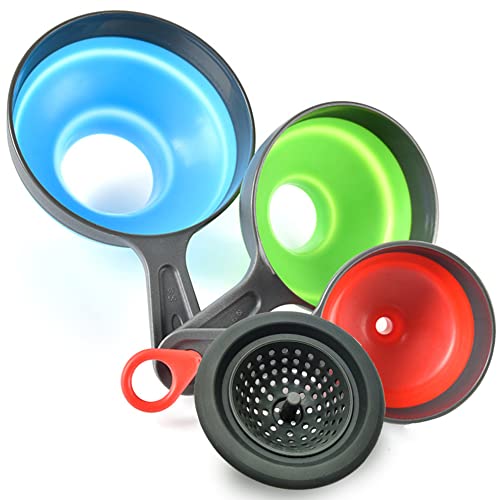
SET OF 4 - Small/Medium/Large Funnel and Strainer.

High Quality Material: This wide mouth canning funnel for most jars is made of food grade stainless steel, which is sturdy and will not bend or rust. The bottom caliber edge is specially polished so it won't scratch you.
How to Cover the Trap So Gnats Can’t Escape
Cover the trap tightly with plastic wrap stretched smoothly over the opening. Secure it with a rubber band or tape to prevent gaps. Keep the surface taut like a drum—any sag can provide escape routes for gnats. Poke several tiny holes, about 1/16 inch in diameter, using a toothpick or needle. Limit the holes to just a few; small openings allow gnats to enter but make it nearly impossible for them to exit. Alternatively, create a funnel-style cover by inserting the cut top of a plastic bottle into the base, sealing the seam gaps with tape, and pointing the narrow neck downward. Always check for tears or lifted corners to ensure the cover remains airtight. Airtight seals work similarly to the maintenance tips that prevent leaks in a pump sprayer, ensuring no gaps compromise performance. These sealing techniques direct the attractant odors inward and minimize wandering exits, making your trap more effective. A snug, gap-free cover is essential for successfully trapping gnats. For long-term effectiveness, regularly inspect the cover for damage just as you would check coyote urine repellent applications to ensure no gaps or leaks undermine the results. For a sturdier cover option, consider using fine mesh netting to replace plastic wrap, as it provides durable airflow blockage while still allowing gnats to enter through very small openings.
Where to Place Your Gnat Trap and When to Refresh It
Place your gnat traps close to the source of infestation. For fungus gnats, position traps at or just above the soil surface near potted plants, as adults tend to hang out and lay eggs there. Use sticky traps placed horizontally directly on the soil or secure them with a stake near the pot rim, ensuring they do not touch any leaves. To cover larger or more crowded areas like propagation trays or shelves, add extra traps to increase effectiveness. You can also build a DIY fruit fly trap using a simple bottle and cheap household bait for these areas. To avoid harming beneficial insects, always use humane handling methods when removing trapped pests. For severe infestations, trapping near burrow entrances can reduce outdoor adult populations.
For drain or fruit gnats, position traps near problem areas such as sinks, compost bins, or fruit bowls. Flat surfaces work best for liquid traps in these spots.
Maintenance is key for continuous control. Replace sticky traps every one to two weeks, especially if 30 to 60 percent of their surface is covered with insects or dust that reduces stickiness. Refresh liquid traps every two to three days or when the bait weakens. If you notice a decline in caught gnats despite ongoing trapping, it’s time to swap out the traps entirely. Consistent placement and timely replacement help you track and manage the infestation more effectively.

[Multi-Pest Defense] Non-toxic yellow sticky traps capture fungus gnats, fruit flies, whiteflies, aphids, and leafminers. Safe around indoor houseplants, herb gardens, vegetable beds, and fruit trees. 100pcs covers up to 50 pots simultaneously.

[Catches Gnats, Fruit Flies, Whiteflies And More] Yellow sticky traps with top-grade adhesive grab fungus gnats, aphids, fruit flies, thrips, and whiteflies on contact from both faces. Place each card at soil level near drainage holes for fastest results. Works for indoor plants and outdoor gardens.

Ultra Sticky & Fast Acting: Bright yellow color attracts fruit flies and fungus gnats instantly, while extra-strong adhesive locks insects in place without dripping or drying out. Two Shapes: Sunflower, Butterfly
Why Apple Cider Vinegar Works Best for Gnats
Apple cider vinegar works best for gnats because it closely mimics the fermentation and decay odors that attract them. These insects are drawn to overripe fruit and rotting organic matter, which apple cider vinegar naturally resembles through its volatile compounds like acetic acid and ethanol. Plain distilled vinegar lacks this rich, fermentation-like aroma, making it less effective at luring gnats into traps.
The effectiveness of apple cider vinegar also depends on how it’s used. When combined with dish soap, the soap reduces the surface tension of the liquid, causing gnats to sink and drown when they land on the surface. Since they are attracted to the strong, rotting-fruit smell, the vinegar acts as a bait that pulls them in, while the soap ensures they cannot escape. This simple, chemical-free method leverages the gnats’ natural instincts, making apple cider vinegar the most reliable choice for a homemade gnat trap.