


Struggling to catch mice with your trap? The secret lies in how you bait it. Using just a tiny amount of peanut butter pressed firmly into the trigger ensures the mouse can’t steal the bait without setting off the trap.
Placing it along walls and pre-baiting can also boost your chances.
Keep reading for a simple, effective way to improve your trapping success.
The Best Mouse Trap Baits (And What to Avoid)
Peanut butter remains the top choice for bait, but alternatives like Nutella, chocolate, bacon, or birdseed can work depending on what your mice are already eating. The key is its strong aroma and sticky texture, which make theft difficult and increase the chance of triggering the trap. Use only a small pea-sized amount to prevent mice from feeding without falling into the trap. Matching your bait to their existing diet reduces hesitation and improves success rates. Avoid cheese, as it dries out quickly and becomes unappealing. Overbating can also backfire, allowing mice to feed without triggering the trap. Keep bait fresh because stale bait loses its attractiveness rapidly. Natural repellents like peppermint oil may help deter mice from non-trapped areas, but avoid placing them near your traps. Proper trap placement is critical; position traps along walls where mice tend to travel. Selecting fragrant, high-fat bait options and placing traps strategically along these paths significantly boosts your catch rate. Additionally, covering the bait or trap with pond netting material can prevent larger pests from stealing the bait while still allowing mice to access the trap. For outdoor traps, consider using a durable wire mesh that resists rust and chewing similar to chicken wire options for potted plants. Applying a similarly targeted approach to other pests, such as using a specialized trap for carpenter bees, can improve results by focusing on the specific insect’s nesting behavior.

ATTRACTS MICE AND RATS: Tomcat rodent attractant gel attracts both mice and rats and can enhance the effectiveness of any mechanical rodent trap

EFFECTIVE PEST CONTROL: Delivers reliable rodent management for home or commercial use. Designed to attract and eliminate unwanted pests quickly and efficiently for peace of mind.
How to Bait a Mouse Snap Trap So They Can’t Steal It
To prevent a mouse from stealing bait without triggering the trap, use a very small amount—just a pea-sized smear—of sticky peanut butter pressed firmly into the trigger cup. This encourages the mouse to tug at the bait rather than lick it, making it less likely to steal the bait without setting off the trap. For alternative bait options, choose paste-like substances that can be molded around the bait holder to stay secure. Smearing bait on the underside of the trigger also adds theft resistance by making it harder for the mouse to access the bait without triggering the trap. Additionally, camouflaging the trap by placing it inside a cardboard tube or near edges guides the mouse directly onto the trigger pedal and reduces the chance of bait theft before activation. When trapping chipmunks, a similar approach of using a very small amount of peanut butter ensures they cannot easily steal the bait without setting off the trap. An effective bee suit shares a similar principle of physical barrier, as it is designed to prevent stings from wasps by using thick fabric and tight closures. Proper placement and baiting techniques are essential for ensuring the trap works effectively. Always position the trap perpendicular to the wall for success, as this prevents mice from easily coming from behind.

WHERE TO USE: Use these mouse and rat bait blocks indoors or outdoors; if applied where children, pets, and non-target animals may have access, bait blocks must be placed inside tamper-resistant bait stations

READY TO USE: Max-Catch Glue Traps are designed to attract insects, ants, mice, roaches, spiders, crickets & other rodents. Leave trap with paper on so pests can acclimate, place glue boards along suspected rodent pathways, wait 24-hours and remove paper. For best results, do not add bait as it decreases the effectiveness of the trap.

SECURE COMPACT DESIGN - High-quality, lockable, tamper-resistant, only 8.5" x 7" footprint
Live Trap Baiting: Where to Put Food for Best Catch
To catch a mouse in a live trap, you should place a small, pea-sized amount of bait—such as peanut butter or chocolate spread—deep inside the chamber, past the trigger. The goal is to make the mouse fully enter the trap to reach the bait, ensuring the door closes behind it. Avoid over-baiting; a tiny amount is enough to attract them without distracting it outside the trap. Position the trap flat along walls, near droppings or gnaw marks, where mice naturally travel. Do not place additional food outside the trap, as you want the mouse to commit to entering. Check the traps regularly to prevent undue stress or escape. After capturing a mouse, consider releasing it humanely rather than using ultrasonic deterrents. Placing a small bait sample near the entrance can entice mice inside, but the main bait must stay deep within the trap to be effective. Following these guidelines helps ensure consistent, clean catches with minimal escapes.

READY TO USE: Rat, Mouse and Snake glue traps are intended for use without additional rat bait. Once pulled apart, traps are active and should be set right away. The odorless mouse and rat traps are designed to trap insects and rodents.

EASY-TO-USE DESIGN: Disposable bait station mice solution is ready to use with no setup required. Simply place where you see signs of mouse activity for quick and effective control.

Alluring Peanut Butter Scent & Easy to Use: Simple to set up, and pre-baited with an irresistible peanut butter scent, our glue trap does not require any additional bait. The mouse traps require minimal maintenance. Just place them along the walls in your garage or basement or under the refrigerator and capture your home invaders. Simply throw it away when done.
How to Bait an Electronic Mouse Trap the Right Way
To bait an electronic mouse trap correctly, start by turning the trap OFF and inserting fresh batteries to ensure it’s powered up properly once you finish setting it. Open the trap only as instructed, and keep it on a clean, dry surface to prevent any contamination. For safety, handle the trap with gloves to avoid transferring human scent onto the bait or trap surfaces. The trap’s smart circuit technology detects rodents upon entry, delivering a high-voltage shock in under five seconds.
Apply a small, pea-sized dab of high-protein bait—peanut butter works best—into the designated bait trough or against the back wall inside the trap. Avoid placing bait directly on metal plates or electrical contacts, as this can cause false triggers. Use a toothpick to carefully place the bait, preventing overfill which can attract unintended animals or cause the bait to smear.
After placing the bait, close the trap securely and switch it ON. Check the indicator lights to verify it’s functioning correctly. Replenish bait as needed to maintain effectiveness and ensure consistent trapping. Proper baiting increases your chances of catching mice quickly and humanely.

ELIMINATE MICE: Victor electronic mouse traps deliver a humane, high-voltage shock that quickly eliminates mice. The advanced smart circuit technology senses when a mouse enters the tunnel, triggering the system to deliver a shock
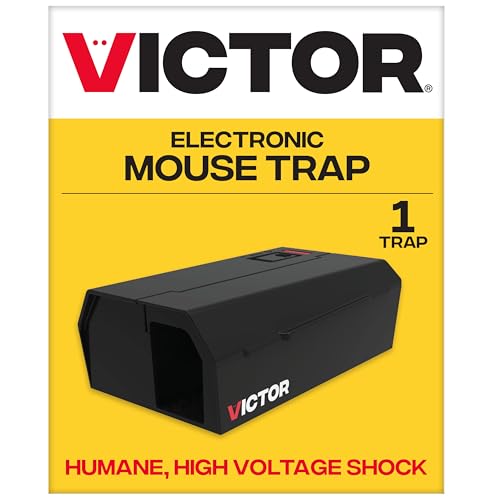
100% KILL RATE: The Victor mouse traps feature advanced beveled columns to keep mice in place for elimination, preventing escapes; efficient mouse traps indoor no see kill

【Smart Alert System】Equipped with multi-color LED indicators and audio prompts for clear status: Red flash (standby), red solid (shocking), green rapid flash (kill complete), red-green flash (low battery). Prevents accidental shock, no need to check the trap frequently.
Why Bait Size and Placement Prevent Bait Theft
Using a pea-sized amount of sticky bait pressed firmly into the trigger cup is key to preventing bait theft. Because mice can easily grab larger portions without triggering the trap, a small, dense amount forces them to work for the food, ensuring they activate the trigger instead of nibbling freely. A tiny smear also minimizes perimeter feeding, where mice eat from the edges without setting off the trap. Sticky textures like peanut butter work best because they cling well, making removal difficult. For similar pest control challenges, effective fly traps often rely on comparable sticky bait principles to ensure pests cannot easily escape once they land. For targeting mosquitoes, mosquito dunks for standing water use a different biological approach to kill larvae before they become flying adults.
To keep the bait effective, replace it regularly to maintain freshness and attractiveness. Using a color contrast between the bait and trap helps mice spot it quickly, but it also makes it harder for them to steal the bait without triggering the trap. Centering the bait directly over the trigger ensures it stays inseparable from the contact zone, making theft and nibbling less likely. This combination of a small, well-placed bait and secure placement effectively stops bait theft and increases the trap’s success. For outdoor settings, the same principles apply when using chicken wire for squirrels to block access to bait stations and traps.

PROFESSIONAL STRENGTH GLUE: Our sticky mouse traps utilize a professional-strength glue formulation that has immediate grip and stretchable hold
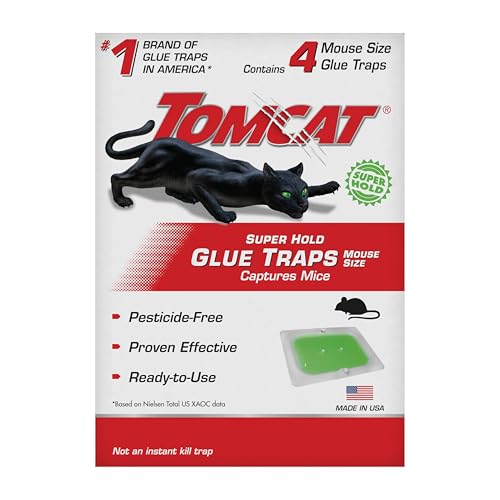
Tomcat Super Hold Glue Traps Mouse Size effectively capture mice and other household pests like cockroaches, spiders, or scorpions

MOUSE AND BUG TRAPS: Tomcat Glue Boards are sticky bug traps that effectively capture mice and other household pests like cockroaches, spiders, or scorpions without the use of bait
Where to Place Your Traps for the Best Results
Placing traps along walls and baseboards is most effective because mice prefer to travel along edges rather than open floors. Position them perpendicular to the wall with the trigger end facing the wall, which forces the mouse to run directly into it. Focus your trapping efforts near wall edges in areas such as kitchens, garages, and storage rooms. Avoid placing traps in open central spaces where mice are less likely to travel. Check behind appliances like stoves and refrigerators for hidden gaps, as mice often use these predictable routes, and look for droppings or gnaw marks as signs. Near food storage areas, position traps where you see evidence of mice, such as chewed packaging or droppings, to maximize success. Also target perimeter openings around pipes or vents. Space traps 2 to 3 feet apart in areas with active signs, or cluster them where signs of mice are strongest. Concentrate your trapping efforts where mice already travel to increase your chances of catching them.
Pre-Baiting: Why Unset Traps Catch More Mice
Pre-baiting with unset traps can significantly increase your mouse catch rates. When mice are wary of new objects, placing traps without bait initially helps them become comfortable. By avoiding immediate setting, you’re building trust; mice see the trap as a safe food source rather than a danger.
Start by placing your traps without bait in chosen spots for two to three nights. Use a variety of bait options like peanut butter, nuts, or pet food to discover what attracts them most. Once mice repeatedly take the bait without hesitation, they become confident enough to approach even active traps. At this point, set the traps to catch the mice efficiently. This approach reduces their suspicion and makes them more likely to be caught when they recognize the trap site as a dependable food source.
Trap Maintenance: When to Check and Refresh Bait
Check and refresh bait at least daily, and twice daily for live-catch traps. During periods of high activity, refresh bait every 72 hours or sooner if it’s been untouched. If bait appears dried out, moldy, or has lost its scent, replace it immediately. Peanut butter, for example, typically goes stale after about three days and becomes less attractive. In warm, humid environments, shorten the interval between refreshes because moisture and heat accelerate bait degradation. Before re-baiting, clean trap components thoroughly to prevent scent contamination. Combining bait maintenance with habitat modifications—such as sealing entry points and removing nearby food sources—can reduce reliance on traps. If you notice ongoing activity despite regular bait checks, stale or insufficient bait might be the issue. Maintaining a consistent routine ensures traps stay effective and helps eliminate pests faster.
Mice Stealing the Bait? 3 Ways to Fix It Fast
Mice can lick peanut butter off a standard snap-trap trigger without setting it off, so you need to prevent bait theft quickly. Fix #1 involves improving lure placement and bait security. Use only a tiny, pea-sized smear of bait, pressing it firmly into the trigger’s surface. This makes mice tug the whole trap to get the bait, increasing the likelihood of triggering it. Fix #2 mechanically secures the bait by tying solid foods like bacon or chocolate to the trigger with dental floss. This way, theft requires pulling the trigger directly, making it harder for mice to steal without setting the trap off. Fix #3 suggests switching your trap or bait type. An expanded-trigger trap reduces theft because it offers more bait surface area, or you can opt for bait that demands chewing, like dried fruit, which is more difficult to lick off. When securing bait, a small, firmly pressed deposit is more effective than a loose, larger blob, ensuring mice can’t easily nibble without triggering the trap. A similar principle applies to managing insect pests, where alternative trapping methods focus on specific bait placement to avoid theft by non-target creatures. For broader infestations, bug bombs for termites may complement localized trapping efforts by targeting hidden colonies. For outdoor bait stations, adding a squirrel baffle can prevent larger animals from interfering with the trap.
3 Baiting Mistakes That Let Mice Win
Even a perfectly set trap fails if you make these common baiting mistakes. First, use only a small amount of bait—about the size of a pea. Large piles allow mice to steal food without triggering the trap, so pressing a small amount of peanut butter directly into the trigger is most effective. Second, place the bait correctly: for snap traps, press the bait into the trigger rather than just on top; for enclosed traps, put the main bait at the very back with a crumb at the entrance. Third, avoid using cheese as bait. Mice prefer foods like peanut butter or grains, which match their diet better. Also, handle bait with gloves to prevent leaving human scent, as mice can detect it. When setting traps in a coop, hardware cloth is a better choice for securing the structure than relying on repellents. Considering natural repellents won’t fix baiting errors, so focus on proper bait size, placement, and scent control. Check traps regularly to prevent bait from spoiling and losing effectiveness. For example, using peanut butter or grains provides a more reliable lure than cheese, as these foods align with a mouse’s natural feeding preferences. For outdoor areas like a yard, using mosquito bits in standing water can help control insect pests without interfering with your trap bait.