


Got fruit flies invading your space and no idea how to stop them? You can build a simple, effective trap in just a few minutes using common household items. With a plastic bottle, apple cider vinegar, and a bit of dish soap, you’ll create a solution that attracts and kills over half the flies in your area.
Keep reading to learn how to set it up and keep those pests away.
Why a Bottle Trap Is the Best Way to Catch Fruit Flies
A bottle trap is the most effective way to catch fruit flies because it combines strong attraction with physical containment. One of the most effective additions to this setup is using apple cider vinegar as the bait, as it mimics the scent of fermenting fruit. Fruit flies are instinctively drawn to fermenting scents, and a bottle trap uses this behavior against them. By filling the trap with a volatile compound like apple cider vinegar, which mimics rotting fruit, you can attract over 60 percent of flies within minutes. Unlike sprays that merely disperse pests, a bottle trap captures them directly, preventing reproduction and reducing populations by up to 80 percent. For persistent infestations, you might find similar success using top bee traps designed with a funnel for carpenter bees. For a broader comparison of options, consider reviewing fruit fly traps that are commercially available for different infestation levels.
The key to effectiveness lies in the trap’s shape. A funnel-style opening guides flies inward while making escape difficult. Narrow-neck, sealed bottles concentrate the scent and direct flies toward the trap’s interior. This design ensures maximum attraction and containment, making it a practical solution for everyday fruit fly infestations.
Materials: A Plastic Bottle, Vinegar, and Dish Soap
To build an effective fruit fly trap, you’ll need three simple materials: a plastic bottle, apple cider vinegar, and dish soap. Use any empty plastic bottle; a 2-liter size works well for larger traps, while smaller bottles are better for tight spaces. You can choose a clear bottle to easily monitor the catch or a colored one to match your kitchen’s decor. Pour about half an inch of apple cider vinegar into the bottom of the bottle. The sweet, fermented smell attracts the flies irresistibly. Add just a few drops of dish soap to the vinegar. Don’t stir vigorously—gentle swirling is enough. The dish soap breaks the liquid’s surface tension, causing flies that land to sink and drown rather than escape. Place the trap near fruit bowls or trash bins for maximum effectiveness. For an even more budget-friendly version, you can use cheap materials like a simple jar or cup instead of a bottle. This simple, inexpensive setup is easy to refresh when full. For an even better result, consider using white vinegar as a cheap alternative that works just as well for attracting flies. Similar to trapping other pests, the trap should be placed in shaded and secure areas to keep the liquid from evaporating too quickly and avoid accidental spills.

COMPREHENSIVE COVERAGE: 4-pack of TERRO fruit fly traps for indoors with 180 days of lure supply provides comprehensive pest control coverage for your home's fruit fly infestations

Fast Acting & Long Lasting: Our formula is designed to bait & rid your home of fruit fly infestations fast; the powerful attractant lures fruit flies in as soon as the top is open; Lasts up to 30 days

Fast Acting & Long Lasting: Our formula is designed to bait & rid your home of fruit fly infestations fast; the powerful attractant lures fruit flies in as soon as the top is open; Lasts up to 30 days
Step-by-Step: How to Cut and Assemble the Bottle
First, Mark a cut line about one-third down from the top of the bottle, just below the curved shoulder. Use a sharp knife on a stable surface, and always prioritize safety. A straight, clean cut is essential to prevent wobbling later. Cut fully across the bottle to create the top funnel piece and the bottom cup section, leaving about 4 to 5 inches for the base. After cutting, check the edges for any rough shards to avoid injury or sharp spots. Then, invert the top portion and insert it into the larger bottom section for funnel assembly.
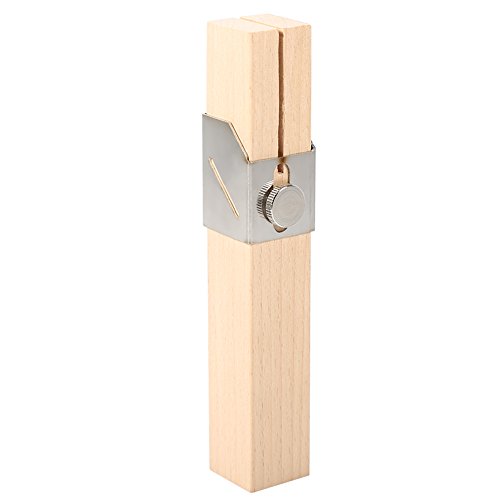
Intelligent Tool -- With this portable intelligent tool, you can easily make any plastic bottles, such as cola, fruit juice, soda water bottles into a plastic rope perfectly, meeting all kinds of novelty and crazy ideas of yours
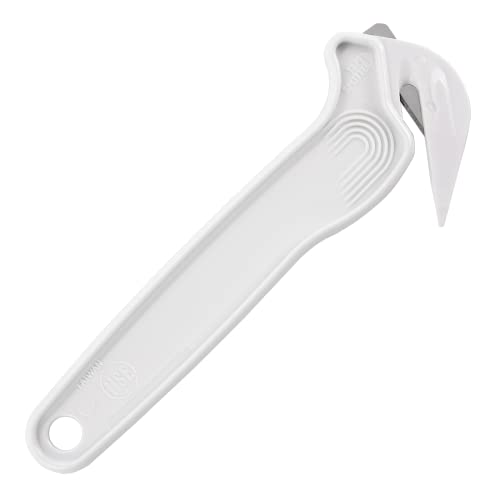
SAFE FOR FOOD PACKAGING: Designed specifically with food service and food manufacturing in mind, this cutter has been certified by the National Sanitation Foundation. With a stainless steel blade, it is easy to sanitize and keep clean.

Durable Construction: Crafted from solid beech wood for long-lasting performance and smooth plastic bottle cutting without jamming
The Best Bait for Your Bottle Trap (Hint: Add Soap)
Adding a drop or two of dish soap to your apple cider vinegar bait is essential. The soap breaks the liquid’s surface tension, causing the fruit flies to sink instead of landing on top. Use about ¼ cup of apple cider vinegar in your bottle, then add a few drops of dish soap. Gently stir to mix without creating excessive bubbles. Refresh the bait every two to three days to maintain its effectiveness. You can also experiment with alternatives like stale red wine, balsamic vinegar, or a piece of ripe fruit. A narrow bottle neck helps trap the flies once they fall inside. Keep the soap amount small—too much soap creates foam that can repel them. This simple addition makes your trap much more lethal. For a more durable outdoor setup, consider reviewing best garden netting to protect your fruit from pests before they reach the trap. For a permanent outdoor solution that keeps bait stations elevated and secure, a bird feeder pole with a squirrel baffle can offer a stable mounting point for your bottle traps.

Premium Material: our ceramic fruit fly trap combines an elegant ceramic jar with a highly functional stainless steel lid. It effectively catches fruit flies while seamlessly blending with your kitchen decor aesthetic

DISCREET AND EFFECTIVE: This fruit fly trap is a decorative and natural way to attract and catch fruit flies in the kitchen, restaurant, or bar. The fly catcher lures fruit flies through a small hole in the top, and they can't find their way out. Works only for fruit flies, not gnats

Where to Place Your Bottle Trap for the Best Results
Place your bottle trap in stable locations that won’t tip over or be easily disturbed. For indoor use, position it under kitchen counters, behind sinks, or near stored produce, ensuring it’s out of the way but accessible. Outdoors, place the trap inside the upper two-thirds of a tree canopy, roughly 1.5 to 2 meters high, in open shade to improve effectiveness. Avoid direct sunlight and areas exposed to strong wind, as these conditions can reduce performance. For more robust control models, consider studying best armadillo traps for reinforced materials. When positioning your trap, ensure it is not near any openings that squirrels could exploit, as their persistence may require galvanized steel mesh for added protection. Unlike these physical barriers, ultrasonic repellents often fail to provide reliable results for persistent pests.
Safety is key; set the trap where it won’t be knocked over or cause a hazard. Keep it away from people, pets, and food preparation zones. Make sure the opening remains clear of leaves, webs, or debris to maintain proper airflow and easy access for insects. Regularly check and clear the opening to ensure your trap works at its best.
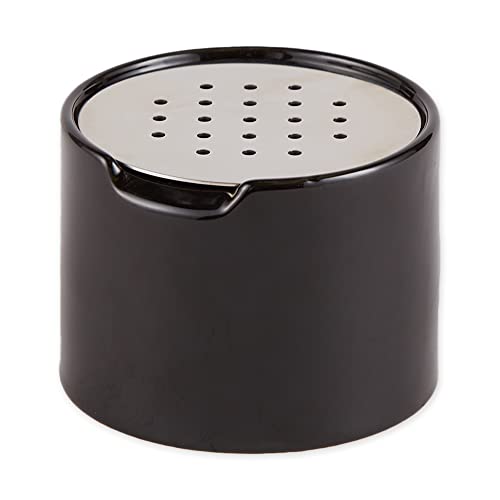
Fill the ceramic cup with an apple cider vinegar mixture and place perforated stainless steel lid on top

Premium Ripple Ceramic Design: Crafted from elegant ripple-pattern ceramic, our fruit fly trap blends effortlessly with modern kitchen decoration while effectively catching fruit flies. The jar's aesthetic appeal complements countertops, making it both functional and stylish

Kills Fruit Flies, Gnats, Mosquitoes, Roaches, and More – Vapor-activated pest strip eliminates fruit flies, gnats, house flies, mosquitoes, roaches, spider mites, silverfish, and flying insects. Ideal for trash rooms, trash chutes, and drain areas.
How to Maintain Your Bottle Trap and When to Replace It
You should replace your bottle trap when its performance declines or it shows visible damage. Typically, swap out bait every three to seven days in heavy infestations or weekly in lighter ones to keep the trap effective. If the plastic cracks, openings clog, or mold persists even after cleaning, it’s time to replace the entire trap. When fewer flies enter despite nearby activity, or the bait no longer has a strong scent, refresh the trap with new attractant rather than reusing old bait. For outdoor traps near water features, pond netting can help prevent debris from clogging the bottle openings. Always use fresh attractant for the best results and ensure the trap remains functional.

Efficient Fruit Fly Indoor Traps:Our fruit fly trap bait refill effectively attracts traps. It is recommended to use with a fruit fly trap for better results. The indoor fruit fly emits a scent that lures fruit flies into the trap's entry hole, where they cannot escape.

Fruit Fly Trap Refill Liquid: this fruit fly trap refill easily attracts all major types of fruit flies and can be placed anywhere to keep those annoying fruit flies out of your home and kitchen; It works in any open style container, such as a small bowl or ramekin; Use the Qualirey fruit fly trap refill for a "no more flies" home

4 PACK OF REFILLS: Use this 4-pack of liquid lure refills designed specifically for TERRO fruit fly traps, as the bait formula helps to provide continuous protection against fruit flies and gnats in your home for up to 180 days (45 days per refill)