


Ever wondered how coyote urine is actually collected? You might think it involves wild trapping or squeezing glands, but it’s much simpler than that. Typically, it comes from coyotes raised in controlled environments like farms or zoos.
In these environments, urine is collected without stress or harm to the animals. Keep reading to find out exactly how this natural product is gathered and prepared.
Where Does Coyote Urine Actually Come From?
Coyote urine used in pest control products typically does not come from wild animals roaming freely in the wild. Instead, it is collected from coyotes raised in controlled environments such as ranches or game farms. These facilities allow coyotes to urinate naturally on floors, trays, or drainage systems built into their enclosures. The collected urine is then filtered or strained before bottle packaging. Regulatory agencies classify coyote urine as a natural animal byproduct, not a secretion from a specific gland. The large quantities sold confirm that most coyote urine is obtained from captive animals, not field collection from wild coyotes. If you find that your pest control efforts are not working, effective wasp trap tips can help identify common causes and simple fixes. When purchasing these products, keep in mind they are derived from managed facilities, not wild scavenging. Some pest control companies employ backpack foggers to disperse coyote urine over larger areas. To physically contain animals or block access in your yard, you may need to cut hardware cloth using a method similar to trimming heavy-duty screening material.
How Are Coyotes Kept for Urine Collection?
Coyote urine is collected from animals kept in captivity rather than wild animals roaming the countryside. These coyotes are housed in fenced pens, game-farm enclosures, or zoos, often with wire-bottom floors or collection trays positioned underneath. When a coyote urinates naturally, the liquid drains into a container or funnel system designed for passive collection, eliminating the need for direct handling of the animal. Conditions vary from regulated, humane farms to more restrictive cages. Some facilities breed coyotes specifically for urine collection, while others capture animals from the wild. Similar trapping principles apply to other pests, such as using top bee traps for carpenter bees. The entire setup is focused solely on passive urine collection, but the welfare standards of these operations differ widely, with some raising serious animal welfare concerns. Adding hot pepper flakes or a similar active ingredient to a homemade spray can mimic the irritating predator scent that drives squirrels away.
Is Coyote Urine Pure or Mixed With Other Ingredients?
Most commercial coyote urine sold for pest control is not pure or undiluted. Instead, many repellents on the shelf contain only a small percentage of coyote urine—usually between 3.5% and 5%. The rest of the product consists of carriers such as limestone, other scents, or inert ingredients that help with stability or application. Granule-based products often blend urine with a solid base rather than offering pure liquid. Some brands do sell 100% coyote urine as a scent product, but these are separate from diluted repellents. Always check the label carefully to determine the exact formulation and whether the product contains pure or mixed ingredients. For protecting your pond, however, consider pond netting options that physically block unwanted animals rather than relying on scent-based repellents.

MARK YOUR TERRITORY: Tired of unwanted visitors? Coyote urine simulates the presence of a real predator in the area.

100% FULL STRENGTH - 100% coyote urine predator pee

Why Does Coyote Urine Work as a Repellent?
Coyote urine works as a repellent because prey animals interpret its scent as a signal of predator presence. It contains sulfurous metabolites that animals recognize as an alert to danger. When they detect these chemicals, they instinctively avoid the area, thinking a coyote has marked its territory nearby. This territorial scent makes your yard or garden feel unsafe for feeding or nesting. For example, this product is water-soluble and safe for use around children and pets, requiring reapplication after heavy rain to maintain effectiveness. Bee suits, similarly designed for defense, are unlikely to shield against wasps due to their aggressive stinging behavior.
As a result, deer and small mammals tend to retreat or change their browsing habits. Many have shown a 15 to 24 percent reduction in damage when coyote urine is used regularly. The scent creates a psychological barrier that discourages animals from entering the treated area, making coyote urine an effective natural deterrent.

Expanded Scent Coverage: Includes 16 oz of 100% coyote urine and 10 ScentTags to help establish a scent perimeter across larger outdoor areas.
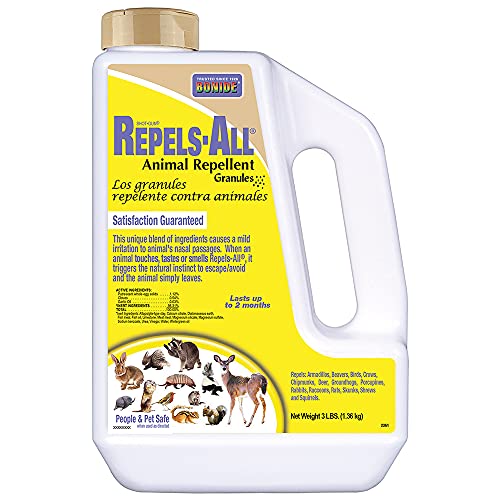
STRONG REPELLER - This unique blend of ingredients causes mild irritation to animal's nasal passages. When an animal touches, tastes, or smells Repels-All Animal Repellent, it triggers the natural instinct to escape/avoid and the pest leaves.
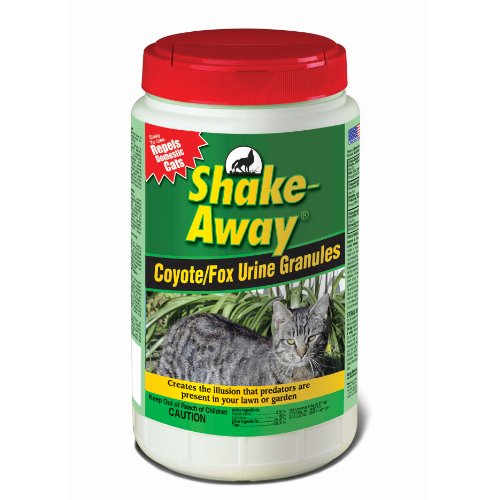
Takes advantage of the predator-prey relationship and prey animals' genetically programmed instinct of fear
How Often Should You Reapply Coyote Urine Products?
You should reapply coyote urine deterrent every 7 to 10 days to maintain its effectiveness. Weather conditions play a significant role in how often you need to reapply. Heavy rain, irrigation, or snowmelt can wash away the scent quickly, so you should reapply immediately after these events. Hot sun and wind also speed up scent loss, especially along exposed perimeters. In shaded areas, the scent lasts longer, but it’s still important to check weekly.
The type of product influences reapplication frequency. Granules and sprays typically require more frequent refreshing, while some EPA-registered packs can last up to 90 days. Always follow the manufacturer’s instructions rather than sticking rigidly to generic timing guides.
Regular inspection at least once a week helps prevent the scent from fading completely and animals from re-entering your property. Reapply immediately if you notice the odor weakening or if pest activity resumes. Precise reapplication minimizes waste and overuse, respecting environmental concerns and ethical considerations.

Takes advantage of the predator-prey relationship and prey animals' genetically programmed instinct of fear

Added Safety: Carry SprayShield Animal Deterrent Spray with you when you and your dog go on walks together to protect you both against a potential encounter with aggressive animals

PERSONAL PROTECTION YOU CAN TRUST: SABRE, the creator of Protector, is the #1 pepper spray brand trusted by police & consumers & a leader in the personal safety category. Pepper spray is made in the USA.
What Safety Precautions Should You Take With Coyote Urine?
To handle coyote urine safely, always wear a dedicated pair of gloves and avoid contact with your skin, mouth, or eyes. Wash your hands thoroughly with soap and water after handling, especially before eating or drinking. If you accidentally get urine on your skin, remove any contaminated clothing and rinse the area well with soap and water.
Inhalation and eye contact precautions are essential. Use the product only in well-ventilated spaces to minimize dust inhalation from granules. Wear safety goggles if there’s a risk of splashing. If the urine comes into contact with your eyes, rinse immediately with clean water for 10 to 15 minutes and seek medical attention if irritation persists.
Proper storage and transportation are crucial for safety. Keep containers tightly sealed and out of reach of children and pets. Do not store near food or personal care items. Treat the urine as harmful if swallowed: avoid applying it in enclosed areas, and in case of ingestion, rinse your mouth, drink water, and consult a physician if symptoms continue.