


Struggling to keep raccoons out of your feeder? A simple homemade baffle can make all the difference. With just a few materials, like a galvanized stovepipe and an end cap, you can craft a device that keeps these clever critters at bay.
By the end, you’ll know how to build and position it for the best results. The full details are just below.
Why Your Bird Feeder Needs a Raccoon Baffle
Raccoons are highly persistent feeder raiders, and without a baffle, you’re essentially inviting them to a nightly buffet. These intelligent climbers target feeders after dark, climbing poles and reaching around barriers to steal seed. Installing a raccoon-specific baffle creates a physical barrier that blocks their access, helping maintain the appearance of your feeder by preventing damage and keeping your hardware intact. Without one, poles can break and seed can be lost. Using a baffle also enhances wildlife safety by limiting raccoon visits, which can help reduce disease risks like rabies near your feeding station. Spilled seed on the ground attracts raccoons back to the area, but proper placement of your feeder and the use of a baffle disrupt this cycle. For additional protection, consider pairing your baffle with pond netting options to cover any open water features that might attract raccoons seeking a drink. For indoor infestations, a fruit fly trap can be similarly effective at reducing unwanted pests drawn to your kitchen. While a baffle prevents physical access, a top-rated bee trap works on a different principle by luring and containing carpenter bees before they can damage wood. This ensures your feeder remains safe, your yard stays cleaner, and the birds receive the food they need without nighttime intruders.
Your DIY Raccoon Baffle Material List
To build your own raccoon baffle, a 6-inch diameter, 24-inch-long galvanized stovepipe is ideal. This size offers effective coverage and durability, as the galvanized coating resists rust and weathering better than untreated steel. Match it with a compatible end cap for the top to prevent raccoons from lifting it off. Use 3 to 5 sheet metal screws, typically ½ or ¾ inch in length, to secure the cap to the pipe securely. Hose clamps are essential for mounting the baffle firmly onto your feeder pole, ensuring it stays in place when raccoons attempt to access your feeder. For wider coverage, an 8-inch pipe can be used, but it may be heavier and more challenging to handle. PVC pipe is a lower-cost alternative, but make sure it is rigid enough to avoid sagging or collapsing under the weight of animals or weather conditions. Adding hardware cloth around the pipe can provide an extra barrier against raccoons, and for potted plants, hardware cloth options like the best chicken wire can offer similar protective coverage. For protecting fruit crops like blueberries from birds, consider using bird netting for blueberries as an alternative barrier. When handling cut metal edges, always wear leather gloves to protect your hands from sharp edges. Use tin snips or a drill carefully to make clean cuts and avoid injury. Plumbers tape can stabilize the baffle against swinging on windy days, helping it stay in the correct position longer. If you are also safeguarding young shrubs in the garden, deer netting can be draped over supports to deter larger animals from browsing tender hydrangea foliage.


Iron Cap: 3/4" Galvanized malleabe Iron cap female NPT Threads

Closes off one end of an assembled tee. Aids in cleaning and inspection. For single wall black tee joint.
Build a Simple Stovepipe Baffle in 5 Steps
Once you’ve gathered your materials, you can build a simple stovepipe baffle in five straightforward steps. First, measure and mark the center hole on the stovepipe cap, then drill a pilot hole and cut it with a 1-inch hole saw to create a clean opening. Next, assemble the stovepipe cylinder by joining its locking seam and fitting the cap flush into the non-crimped end, then crimp it into a stable round shape to ensure a snug fit. Securing the cap with sheet metal screws requires drilling pilot holes first to prevent distortion, similar to the simple build process used in a homemade trap. To minimize predator access, choose a site that keeps raccoons and snakes from jumping onto the baffle. Always place the baffle away from fences or trees that skunks could climb for leverage, as outlined in common animal trap placement tips. Selecting a location with tamper-resistant hardware can further reduce the chance of raccoons dislodging the baffle.
Prepare support hardware, such as a clamp or conduit connector, to hold the baffle at your desired height, making sure it rests on a sturdy support that won’t shift. Finally, position the baffle over the pole, rotate it past the collar to lock into place, and inspect for small gaps. It’s crucial that there are no openings because even tiny gaps can allow smoke or sparks to escape. A properly fitted baffle ensures safe, efficient operation of your stovepipe, and helps keep your outdoor space peaceful and your bird viewing unobstructed.

2678C Replaces: Buck Stove PO-BPFB81B baffle boards (set of 2) and PO-81CBLANKET, PO-BPFB81B replaces PO-810116 for Model 85. Baffle blanket was added to Model 81 in 2018 and is required to meet current EPA emissions. Blanket may need trimming for Model 85.

Reliable Chimney Support Kit: Selkirk SureTemp flat ceiling support kit ensures safe venting for stoves, fireplaces, and furnaces

2449A Replaces: Hearthstone 90-76600 baffle kit, includes 3120-060 baffle
Where to Mount Your Raccoon Baffle for Best Results
Position the pole at least 10 feet away from trees, fences, or decks. Raccoons are strong climbers but not great jumpers, so this distance reduces their ability to leap onto the feeder or nest box. Mount the baffle a few inches below the feeder on a smooth metal pole to maximize blocking. Ensure the baffle fully encircles the pole for stability, but a slight wobble can make it harder for raccoons to climb. Measure the height from the ground to the top of the baffle, aiming for at least 4 feet, or 5 feet if squirrels are also a concern. Mount the baffle so it is positioned a few inches below the feeding or nesting point to prevent climbers from reaching over. Planning the entire pole height before installation helps create an effective barrier against raccoons. For a simpler approach to pest control, you can build a rat bait station using cheap materials like a plastic container and PVC pipe. For similar exclusion tactics, trapping an armadillo requires placing the trap in areas with signs of digging activity. Using fish oil as bait can attract raccoons to a nearby trap if they are not deterred by the baffle.

【Protect Your Birdfeeder】This squirrel baffle prevents squirrels or other small animals from climbing up to your bird feeder and stealing food, allowing the birds to enjoy their meal in peace. The squirrel guard for bird feeder pole can also withstand any weather conditions, providing year-round protection for your bird feeders!

【19-Inch Wide Metal Cone with Spikes】The SHTALHST Metal Squirrel Baffle measures a full 19 inches in diameter at the base, creating a wide, unstable surface that squirrels and raccoons cannot cross. The sharp spikes on the cone add an extra layer of defense—pests that try to climb up or jump from below will slip right off. Made of heavy-duty metal with rust-proof coating, this squirrel guard keeps your bird feeder pole safe for your feathered friends only.
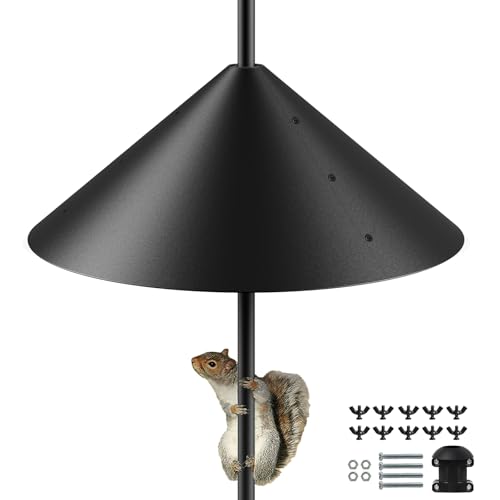
Chew-Proof Design with Metal: This metal slinky squirrel baffle made from sturdy metal materials designed to withstand outdoor conditions and squirrel chewing, ensuring long-lasting protection.
Three Common Mistakes That Let Raccoons Beat the Baffle
One of the biggest mistakes you can make is believing baffle myths, like thinking a squirrel baffle will keep raccoons out. Raccoons are clever and have different habits that allow them to bypass small or flimsy barriers. To effectively deter them, your baffle should be at least 18 inches across, with an ideal size of 24 to 28 inches. This size prevents raccoons from reaching around or over the edges easily. Using a baffle that’s too small makes it simple for these animals to outsmart your setup and gain access. A simple DIY improvement involves wrapping the post with aluminum flashing to deter climbing. For additional protection against climbing pests, consider that bee suits shield you from stinging insects like wasps, which can also be a concern near feeders. For a more high-tech solution, you could install a motion-activated sprinkler to startle raccoons away with a sudden burst of water. Properly securing the baffle with correct fixings ensures it stays rigid under the animal’s weight.

Please note this baffle is not designed for use with one piece poles or shepherds hooks.
Clever Installation Tricks for Stubborn Climbers
To outsmart raccoons, mount the top edge of the baffle at least 4 feet high, measured to the top edge—not the clamp. This height prevents easy jumps onto the feeder. Use a floating mount by letting the baffle wobble slightly on a collar or an oversized clamp; this instability makes it harder for raccoons to grip and climb effectively. Place the support clamp a few inches below the feeder, then slide the baffle down from above on open-ended poles. Ensure no overhanging branches or railings are close enough to allow bypass. When drilling the hole for the pole, make it about 1/8 inch larger than the pole diameter. This extra space creates a smooth, non-binding fit. Level the clamp securely but leave the baffle loose enough to wobble. For added difficulty, use the raccoon-specific longer baffle to prevent raccoons from bypassing. Tight control makes it easier for determined climbers to bypass your deterrent.

Bigger and Wider Design: 19” diameter design makes this squirrel stopper more effective than other sizes. Larger sizes have greater jitter, no matter if rodents fly up or climb up, they will not be able to stand stably on the baffle. Anything smaller than 19 inches cannot step over this baffle easily, which means that the foods in your bird feeder can be specially provided to feathery friends instead of greedy squirrels or raccoons.
How to Inspect and Maintain Your Baffle Each Season
Each season, inspecting your baffle involves a thorough check of all hardware components. Start by examining the fasteners, brackets, and pole attachments every three months for looseness, rust, or debris buildup. Pay special attention during late fall when raccoons are most active and may attempt to bypass or damage the baffle. Before heavy storms, perform a pre-storm check to ensure all fasteners remain tight and secure. After severe weather events like high winds or ice storms, realign the pole if necessary and recheck attachment points to prevent displacement or damage. Consider adding top tree netting as a supplementary barrier for fruit trees if raccoons are persistent.
Maintenance should include washing the baffle at least once annually with mild soap and water to remove grime and debris that can hinder its function. Remove any wasp nests or insect debris promptly. Metal surfaces require inspection for rust or paint chips; touch up damaged areas with wildlife-safe paint to prevent corrosion. Immediately replace bent brackets or stripped screws to maintain integrity. If raccoons still manage to bypass the baffle despite correct installation, it may be time for a full replacement. Keeping a detailed maintenance log helps you identify patterns or recurring issues, making future inspections more effective.