


Ever wondered how live traps catch animals without harming them? They work by using the animal’s own weight against a simple mechanical system that quickly closes the door behind them.
Bait placement and timing are crucial for success, making trapping both a science and an art. Keep reading to learn how these traps work and how to use them safely and humanely.
What Makes a Live Trap Different From a Killing Trap?
A live trap is designed to catch animals without harming them, keeping them alive so you can release them elsewhere. In contrast, a killing trap is built to cause death upon trigger, often immediately after. This key difference impacts how reliable each trap is and how you approach animal behavior. With a live trap, you depend on the animal’s curiosity or food lure to enter it safely. It allows for humane release and reduces harm to non-target species. Killing traps, however, do not provide this option since animals die once caught. Regular inspection is essential with live traps—ideally within 12 hours—to prevent stress, dehydration, or injury. Similar to how bug bombs for fleas are designed to disperse insecticide throughout an area, live traps are strategically placed to maximize the chance of capture. For example, pond netting is often used as a physical barrier to protect fish, which is similar to how a live trap’s design prevents harm to the animal. Killing traps generally require less frequent checking, but they eliminate the possibility of live release altogether. Your choice between the two depends on whether your goal is live removal or rapid lethal control. For targeting carpenter bees specifically, the right fit of a live trap depends on its design and lure to match their unique nesting behavior.

32" x 11" x 13" Cage Trap: Ideal for trapping raccons, opossums, cats, rabbits, and other similar-sized undesired animals.

High Quality Materials:SZHLUX Live Animal Cage Trap use low carbon steel wire and medium frequency welding. In this way, the product surface is flat, the welding is firm, and it is not easy to solder off.Weather and rust resistant.
How the Trigger Actually Catches the Animal
The trigger in a live trap activates through mechanical leverage. It consists of a trip pan connected to a holding catch. When you place bait inside, the animal’s weight or movement causes it to step onto the pan. This downward pressure shifts a rod or lever slightly. That tiny movement releases the catch, which is already under tension from the trap’s spring. The stored energy then snaps the door shut instantly, without needing the animal to push hard. Even a cautious step can trip the mechanism because of its sensitivity. You can adjust this sensitivity so that a light touch reliably triggers the trap. The entire process is purely mechanical, transforming small pressure into a quick, dependable closure. Selecting top live squirrel traps often involves ensuring this trigger mechanism is both sensitive and durable for effective removal. Step-by-step setup with the right bait helps ensure the animal steps directly onto the trip pan instead of reaching around it. For a different pest problem, you might compare this mechanism with fly trap designs that use attractants rather than mechanical triggers.
Why Bait Placement Determines Whether a Live Trap Works
Bait placement is crucial because it compels the animal to fully enter the trap to access the food. You should place the bait deep inside, beyond the trigger plate, so the critter has to move its entire body past the door to reach the reward. If you put the bait at the front, an animal might snatch it without stepping inside. Position the bait centered in the trap, not against the walls, to prevent clever raccoons or squirrels from reaching in sideways and escaping. Proper placement ensures the animal crosses the trigger zone completely, increasing your chances of success. Deep, centered bait makes sure the animal triggers the trap, leading to a catch. For raccoons, using especially sweet foods like marshmallows or watermelon can make them more willing to fully enter the trap. This principle of strategic bait placement is similar to how mosquito dunks target specific pests by releasing larvicide only where larvae feed. To further improve results, check that the trap door mechanism moves freely and latches securely after the animal steps on the trigger plate.
What Bait Attracts Raccoons, Rats, and Squirrels
Choosing the right bait is essential for attracting raccoons, rats, and squirrels, as each species has unique preferences. Raccoons respond best to strong, fragrant scents; foods like sugar-vanilla, cheese powder, or moist, aromatic options such as chicken or fish are most effective. These baits should be moist and odorous to lure raccoons from a distance. To ensure the trap itself is effective, using a Havahart trap designed for chipmunks can also work well for larger pests with proper modifications. For those seeking durable options, bird netting can also serve as a secondary barrier to prevent raccoons from accessing traps.
Rats favor protein-rich baits, with salted or fried fish typically outperforming sweet options. While they will accept sugars, their preference leans toward salty or greasy foods, especially when sugars are only 1% to 5% of the bait’s weight. Proper baiting with these protein sources increases your chances of success.
Squirrels are particular about freshness; they prefer bait that is oily and just-picked. Good choices include peanut butter, nuts, oat groats, or wheat. Stale or dried bait is less attractive, so ensure your bait remains moist and fresh for better results. Adjust your bait choice based on what’s available locally, and focus on using moist, scent-rich foods for raccoons, protein mixes for rats, and fresh, oily baits for squirrels.

After 40 years of serious performance, the Hard-Core line of hunting lures and scents has more than proven itself to be the reliable workhorse.It was developed through years of intensive field testing

Signature Formula: Crafted by North American Trapper, Coonbuster is a classic scent blend developed to deliver a warm, musky, and sweet aroma inspired by traditional field formulations.

Critter Getter: Lure in the local 4 legged predators to your trap or camera with this irresitable mix.
Choosing the Right Trap for Raccoons and Rodents
Choosing the right trap depends heavily on the size and behavior of the animal you want to catch. For raccoons, select a large cage trap measuring at least 32 inches long with mesh openings no larger than 2.5 centimeters. This size ensures the trap can withstand their strength and allows for safe enclosure without causing unnecessary stress. For rodents, opt for species-specific traps: smaller traps for mice and larger ones for rats. Using a trap that is too big or small for the target animal can decrease capture efficiency and increase animal suffering. Always follow step-by-step setup instructions to ensure the trap is assembled correctly for safe operation. Placement is crucial for success. Position your traps along signs of activity, such as den entrances or along well-used travel paths. Animals are more likely to enter traps located where they already frequent. Incorporating nearby natural cover can also encourage animals to venture inside, especially for rodents that rely on concealment. Always verify local regulations to ensure trap dimensions comply with legal standards before setting your trap. Matching the size and design of your trap to the animal’s behavior will improve your chances of a humane and effective capture.

Built to Last: 32 x 11.5 x 12.5 inches Constructed of sturdy rust-resistant wire mesh with steel, galvanized for maximum resistance to rust and corrosion,mesh openings are smaller than competing traps of comparable size to prevent escapes and stolen foods. Easy to use, set & release

【Solid Construction】- Constructed of sturdy rust-resistant wire mesh with steel reinforcements for long life and is galvanized for maximum resistance to rust and corrosion. No sprays, or glues
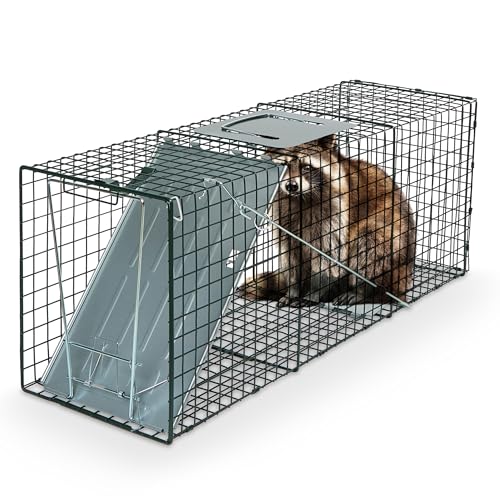
Sentinel 32 – Medium-size trap ideal for raccoons, feral cats, groundhogs, and other similar sized animals.
How Often Should You Check a Live Trap?
You should check a live trap at least every 24 hours. Although this interval serves as a general minimum, more frequent checks are recommended to ensure humane treatment. In hot weather, inspect the trap every few hours to prevent dehydration and heat stress. During cold, rainy, or stormy conditions, checks every 6 to 12 hours help avoid unnecessary suffering. For example, adding a squirrel baffle to a bird table can prevent squirrels from accessing the food source you are trying to protect.
Placement of the trap also influences how often you need to check it. For nocturnal animals, inspect the trap after the first light of morning. For diurnal species, check following their peak activity periods. Small mammals may require checks within an 8-hour window to minimize stress and prevent injury. Always be aware of local laws governing trapping and handling to stay compliant. Regular checks reduce animal stress and injury risk, making this practice both humane and responsible.
How to Release a Captured Animal Safely
Once the animal is calm, release it safely by gently opening the trap and standing clear of the door’s path. Do not force the animal out; allow it to leave on its own. Keep the trap door facing toward open space, and use a shield if dealing with defensive species—never reach inside or tip the trap to avoid injury.
Choose a release site that suits the animal’s needs. If possible, release it at the original capture point; otherwise, select a similar habitat that provides cover, food, and shelter. Consider the animal’s behavior: avoid areas with high human traffic or predators. The appropriate distance for release varies by size—small mammals typically go 0.5 to 1 mile away, medium-sized animals 1 to 3 miles, and larger animals 5 to 10 miles away. These habitat considerations help reduce stress, increase survival chances, and support the animal’s successful reintegration into the wild.
Wear heavy gloves to protect against bites and potential diseases during the process. After release, avoid chasing or cornering the animal to minimize stress. Always clean and disinfect the trap afterward to maintain hygiene and prevent the spread of disease.