

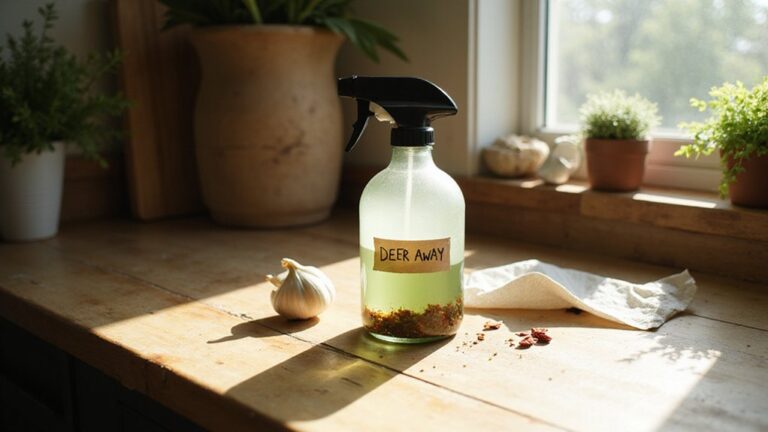
If deer are munching on your garden and no commercial repellents seem useful, making your own spray could be a simple and effective solution. It’s budget-friendly and customizable, using common household ingredients.
By blending natural ingredients like eggs, garlic, cayenne pepper, and soap, you can create a homemade deterrent that coats your plants and discourages deer from feeding.
Keep reading to learn how to make this DIY deer repellent spray step by step.
How to Make a DIY Deer Repellent Spray That Works
Homemade deer repellent spray loses potency quickly, so you should mix a fresh batch right before applying. For effective pest control, prepare a solution with a 3-egg to 3.78-liter water ratio or a 20% whole-egg concentration. Mix the ingredients in a bucket, then strain the mixture through a fine mesh to remove solids. Pour the strained liquid into a hand sprayer for easy application. Avoid storing leftover concentrate in the sprayer—keep it separate to maintain effectiveness. For indoor spider issues, consider using bug bombs as a complementary treatment for your home. If your water feature attracts deer, consider covering it with pond netting to protect the spray from being diluted by debris.
Apply the spray on a dry day, preferably in the evening when deer are most active. Spray thoroughly on leaves until they have a visible sheen, focusing on new growth up to six feet high. Your watering schedule influences how well the spray works—skip spraying after rain or before expected wet weather to prevent wash-off. Reapply every two weeks as maintenance, or weekly if deer pressure is high. For persistent garden pests, consider how a targeted carpenter bee trap might complement your broader pest control strategy.

3-PRONGED-APPROACH: Our Deer Repellent Combines fear, scent, and taste-based technology into one ultimate product. There's no need for product rotation. It prevents deer browsing and works to keep deer out. It also works to prevent deer rubbings, which can damage trees and plants. Many plants are deer attractants. It's important to protect before the damage is done!

Over 100,000 Repeat Customers - For over 20 years Deer Out is the trusted brand for professional gardeners, landscapers and farmers alike. Works Great!

Ready to use deer repellent with e-z pump sprayer
The 5 Ingredients That Really Keep Deer Away
The five core ingredients proven to keep deer away are egg-based proteins, garlic, capsaicin, pungent acids, and oils or dish soap. Egg-based actives like putrescent whole egg solids emit a foul sulfurous odor that deer instinctively avoid, directly targeting their sense of smell. Garlic provides strong sulfur compounds that serve as a reliable scent deterrent, helping to mask attractive smells. Capsaicin from cayenne pepper causes irritation in their sensitive mouths, creating a powerful taste aversion. Sharp-smelling acids such as white vinegar or ammonia add an aggressive, pungent scent layer that deer find unappealing. For broader outdoor protection, Thermacell refills use heat-activated repellents to create a mosquito-free zone. For ants in the yard, wasp spray tested results show it kills on contact, but it is not a safe long-term solution for gardens. Lastly, oils or dish soap act as carriers, helping these ingredients adhere to foliage longer and maintain their repellent effect. Together, these components work by directly influencing deer behavior through scent and taste, providing effective gardening protection. For comparison, bee suits are tested against wasp stings, but they lack the targeted chemical aversion needed for deterring mammals like deer.
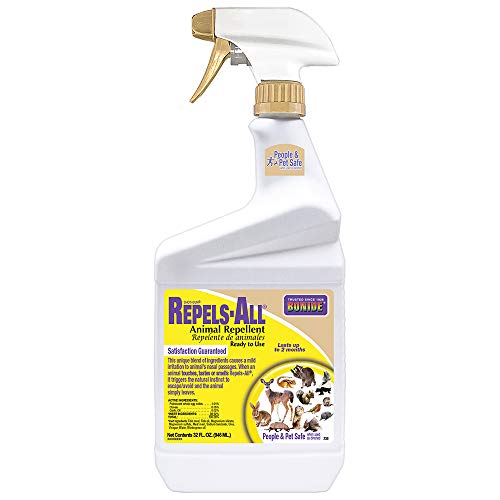
Keep animals out of your yard and garden with Repels-All Animal Repellent from Bonide! This special formula naturally deters a wide variety of garden pests including deer, mice, chipmunks, squirrels and more!

TRUSTED BY PROFESSIONALS: For over 20 years, I Must Garden has been the preferred brand of professional gardeners for use in public gardens and resorts. Trusted for its reliability, durability, and pleasant spice scent

TRUSTED BY PROFESSIONALS: For over 20 years, I Must Garden has been the preferred brand of professional gardeners for use in public gardens and resorts. Trusted for its reliability, durability, and pleasant mint scent
Mix Your Egg and Garlic Base First
Start by combining your eggs and garlic in a blender or mixing container. Crack the raw eggs in first, then add the crushed or minced garlic. For a standard quart batch, use 2 raw eggs; for larger quantities, scale up to 6 eggs. There’s no need to beat them separately—just blend everything together until smooth. Regarding garlic, use either 4 cloves for a moderate scent or a whole bulb, which contains 6 to 8 cloves, for a stronger pungency. Process until the mixture is uniform, adding a splash of water if necessary to help the blender move smoothly. Remember, this base is intended solely for smell-based deterrence, not plant nutrition. Once blended, strain the mixture to remove any solids and prevent clogging your sprayer. To keep your sprayer working properly, regular cleaning and maintenance prevents future clogs and damage. Unlike sound-based devices like ultrasonic mouse repellents, which are often ineffective for larger pests, this scent spray provides a more reliable deterrent. For additional protection, consider pairing this spray with quality garden netting to physically block deer from reaching your plants.
Add Heat to Your Deer Repellent Spray
Adding heat to your deer repellent spray involves carefully controlling the capsaicin concentration. For a standard gallon batch, mix in 2 to 5 tablespoons of cayenne pepper or a few tablespoons of hot sauce. Dried cayenne powder is effective, but steeping fresh chopped peppers can produce a stronger extract. After blending or steeping these ingredients, strain out the solids to ensure even heat distribution throughout the spray. This process irritates deer without harming them, making treated plants less appealing. Keep in mind that commercial mixes are much more diluted, so you only need a small amount of heat to achieve the desired effect. Apply the spray directly to foliage, covering both tops and undersides for maximum deterrent. For long-lasting protection, this DIY recipe can be reapplied every 2-3 weeks as recommended by commercial products like Bonide Hot Pepper Wax, which offers similar sustained control.

Hot Pepper Wax Spray effectively repels critters like deer, rabbits and squirrels from your yard and garden.

Project Vegans. Cayenne Tincture - Hormones free, preservatives free, without artificial ingredients, without antibiotics, gluten free, wheat free, dairy free, sugar-free, soy free, yeast free.

Full Spectrum Cayenne Pepper Benefits: Lukaree's potent capsaicin extract uses a 20:1 extraction ratio, derived from capsicum annuum fruit. Higher purity means more active compounds, resulting in powerful capsaicin benefits, providing comprehensive support for your next step in your health journey
Use Soap and Oil to Make the Spray Stick
Adding soap and oil creates a sticky coating that helps your deer repellent stay on your plants even after rain or dew. To make the spray, start with a gallon-sized container. Mix one tablespoon of cooking oil with one tablespoon of dish soap. Pour this mixture into a separate bowl and then add water to reach your desired volume. Shake or stir thoroughly to disperse the oil evenly throughout the solution. Fine mist application is best for targeting tender leaves and new shoots, which are what deer tend to browse most. Apply a light, even coating, avoiding heavy oversprays. Remember that soap and oil act as carriers for the active ingredients, not repellents on their own. You will need to reapply after heavy rain or at least once a week, especially during peak deer activity. Between uses, check your containers for residue buildup to keep the mixture effective. Unlike wasp spray, which proven results show can kill black widows but is toxic to plants and pets, this homemade formula is safe for garden use. For a similar approach using cheap materials like garlic or hot peppers, you can follow the same simple build process.

Lifetime Assurance: We stand behind the quality of our oil dispenser for kitchen. If you experience any issues or are not completely satisfied, simply reach out to us—anytime. Our lifetime support ensures you can use this kitchen essential with confidence and peace of mind.

One - 8 ounce aerosol of Happy Belly Non-Stick Canola Oil cooking spray

One 5 oz can of PAM Non Stick Olive Oil Cooking Spray
Fill and Shake the Sprayer With Water
To properly mix your spray solution, start by filling a clean spray bottle with water first. Use room-temperature distilled water if possible, as it helps the concentrate blend evenly. Make sure the container is thoroughly cleaned beforehand to prevent residue from contaminating your mixture. Don’t overfill: leave enough space at the top for shaking. Next, add your concentrate, keeping in mind that water should go in first to ensure the correct ratio. If your bottle has a fill line, stop there. Tightly replace the sprayer and shake gently to blend everything. You will see the mixture become uniform; if it looks streaky, continue shaking until it’s well mixed. Before each use, give the bottle a quick shake to maintain consistency. Ensure the sachet is fully inside the bottle for proper dissolving. Store it upright to prevent leaks. This simple step ensures your repellent works effectively every time. For best results, treat affected areas regularly to avoid attracting common household pests like fruit flies. If you plan to protect a garden perimeter, consider pairing this spray with a simple chicken wire fence for added physical defense.
How to Apply Your Homemade Deer Repellent
Timing is crucial when spraying your homemade deer repellent because dry plant surfaces provide the best adhesion and rain resistance. Apply only on leaves, stems, and other plant parts that are dry—avoid spraying after rain, morning dew, or when watering. Moist leaves reduce the effectiveness of the repellent and cause it to wash away quickly. Check the weather forecast to prevent applying just before active rain or scheduled watering, which can diminish the repellent’s duration.
Spray during the evening when deer are most active at night. This timing ensures the repellent is present during their feeding hours. Morning or late afternoon applications are also effective but avoid midday when the sun’s intensity can cause leaf burn or evaporation before the repellent settles. Choose days with calm weather to prevent drift and ensure even coverage on all parts of the plant.

Over 100,000 Repeat Customers - For over 20 years Deer Out is the trusted brand for professional gardeners, landscapers and farmers alike. Works Great!

REPELS DEER AND RABBITS: Deer and rabbits don’t have to eat vegetation for the repellent to be effective—they have a natural aversion to the scent
Reapply Weekly to Keep Deer Away
Reapplying weekly is necessary only during specific conditions. High deer pressure, especially when you see fresh browsing signs despite recent applications, warrants weekly sprays. Weather also plays a key role: heavy rain or frequent sprinkler use can wash away your barrier quickly, reducing its effectiveness and requiring more frequent reapplications.
Under normal circumstances, you can extend the interval to every 2–4 weeks. However, if new plant growth appears, especially during peak growth periods, you should reapply weekly to protect young shoots, which are most vulnerable. Since homemade mixes break down faster outdoors compared to commercial products, monitor for fading scent or new signs of nibbling. If deer start returning before your scheduled reapplication, reapply immediately rather than waiting. Dry weather tends to prolong the barrier, while disruptive weather shortens it. Adjust your reapplication frequency based on pressure and weather conditions, maintaining weekly sprays when needed and otherwise following a longer cycle.
Avoid These 5 Common DIY Mistakes
Homemade repellents should be used with caution, as they lack the rigorous testing of commercial products. Avoid these five common mistakes to keep your garden safe. First, don’t rely on weak ingredients like vinegar or dryer sheets, because they often fail quickly and won’t deter deer for long. Second, visual deterrents such as shiny ribbons or ultrasonic devices are ineffective over time; deer quickly learn they pose no threat. Third, never spray only your garden’s perimeter—high-value plants need to be coated directly; otherwise, deer will test and invade interior beds. Fourth, applying sprays during wind, rain, or dew is a mistake because these conditions wash away or prevent the repellent from sticking properly. Finally, always test any homemade solution on a small patch of plants first to ensure safety. Clog sprayers by skipping strainers, and avoid using clumping products like kitty litter, which won’t break down and can harm your soil.