

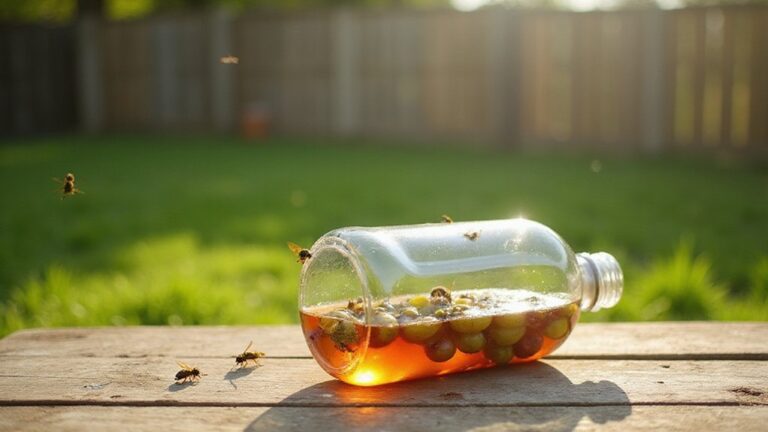
Dealing with hornets can be frustrating, especially when they keep buzzing around your yard or patio. Luckily, setting up an effective homemade trap is simple and budget-friendly.
With just a few common household items, you can create a trap capable of catching many hornets near their flight paths.
Keep reading to learn how to make one that works.
Make a Hornet Trap From a Plastic Bottle in 5 Minutes
To assemble a hornet trap in about five minutes, start by selecting a clear 2-liter soda bottle. Transparent plastic is ideal because it allows you to see inside without opening the trap and makes monitoring easier. Use a sharp utility knife to cut the bottle roughly one-third down from the top at the shoulder area. Remove the cap, invert the top portion, and insert it into the lower half to form a one-way funnel that hornets can enter but struggle to escape. Ensure the joint fits snugly; if it doesn’t, tape or glue it in place. Punch small holes near the top of the bottle to hang the trap with string or wire. For personal protection while handling the trap, bee suits are not always fully effective against wasp stings. The sweet liquid bait encourages insects to crawl inside and get trapped. A similar method using apple cider vinegar works well for smaller flying pests like gnats. This simple setup is quick to assemble, minimizing frustration and maximizing effectiveness. For a more specialized option, consider top bee traps for carpenter bees reviews to compare designs. Hang it where hornets are active for best results.

Preserve Soda Carbonation: Restore pressure to opened soda bottles with this reusable pump cap. Helps maintain fizz and flavor by keeping carbonation sealed until you’re ready to pour.
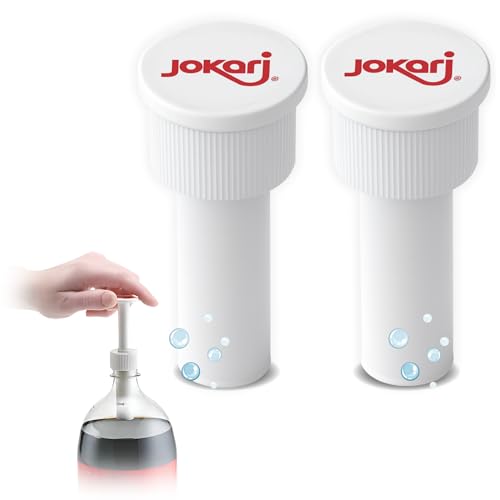
Restore Carbonation in Soda Bottles: Unlike silicone stoppers that only seal, this patented pump cap re-pressurizes soda bottles to actively maintain carbonation and keep soft drinks fizzy for days
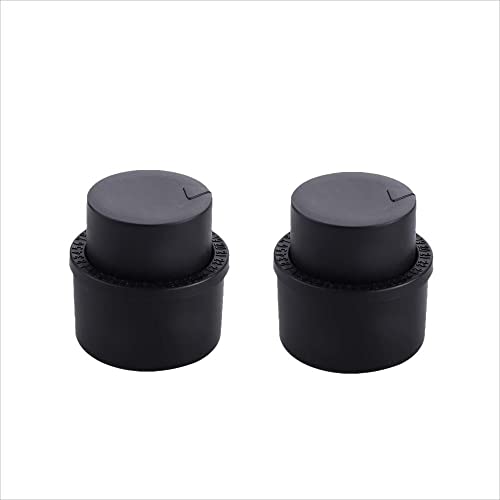
The packaging includes: 2 soda bottle caps. Size:height 5cm/2inch, diameter 4.5cm/1.77inch. Please refer to the image for size information.
Mix Proven Bait Recipes That Attract Hornets Fast
To attract hornets quickly, use a variety of bait recipes that appeal to their preferences. For a strong sweet lure, mix dark beer with a splash of orange juice and a spoonful of sugar. This combination mimics the sweet, fermented scents hornets seek out. Alternatively, create a fermentation-based bait by combining one part sugar with two parts warm water and a packet of baker’s yeast; let it sit loosely covered for about a day until fermentation starts. For seasonal, protein-based attraction during spring, use crushed sardines or a piece of fish mixed with fruit juice to appeal to their hunting instincts. A mixture of cider vinegar, sugar, and water offers a sweet-and-sour scent that attracts hornets while deterring bees. For effective placement, consider tree guards for squirrels to protect young trees from hornet activity. Refresh the bait every few days to keep it effective and appealing. For reliable outdoor protection, consider using garden netting to prevent hornets from reaching plants while you manage traps. For more targeted pest control, consider using effective gopher traps as part of a broader strategy.
Where to Hang Your Hornet Trap for Maximum Catches
Hang your hornet trap at least 4 to 6 feet high, positioned at the edge of your yard or property line. This placement helps create a catch zone away from high-traffic areas like patios and decks, reducing the chance of attracting stinging insects near people. Ensure the trap is downwind from known hornet flight paths so that the attractant scent is carried toward them, increasing your chances of catching more hornets. Avoid spots with dense foliage that block scent dispersion, and pick a location with some shelter from strong gusts to prevent the trap from tipping or bait from drying out. For additional protection, consider using hardware cloth for the trap’s entry cone to prevent larger insects from escaping. Choosing a mounting point that offers a clear, unobstructed view is also key, as this mimics the open sightlines that squirrel-proof feeder poles provide for observing wildlife without interference. Using a sweet bait like sugar water or fruit juice can also improve trap effectiveness, similar to how mouse traps benefit from selecting the right attractant.
If you’re using multiple traps, space them at least 15 feet apart to maximize coverage without overlapping the scent trails. Choose a sunny spot unless extreme heat is a concern, in which case partial shade can slow evaporation and keep your bait effective longer. Wind direction, shelter, and spacing are crucial factors for optimal placement and maximum catches.

Effective and Durable: There are double-entry tunnels on the trap, one on each side, increasing the chance of attracting more insects to the device. These nasty insects will be attracted by added sugar water and ultraviolet rays at night, producing an irresistible odor, they will be submerged in water or eventually dehydrated
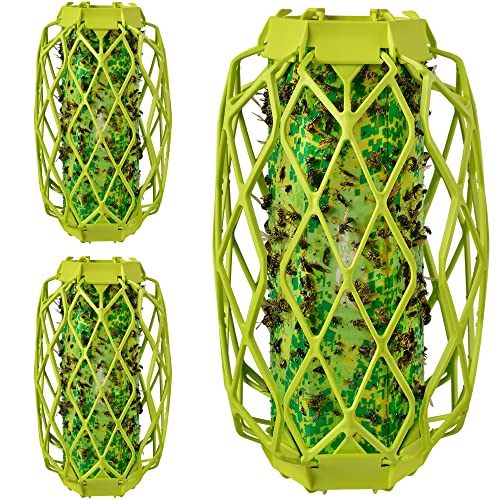
Eliminate Wasps – VisiLure Traps lure wasps, red wasps, mud daubers, and carpenter bees with appealing colors and a multi-dimensional pattern. Once attracted, they become stuck to the sticky surface and expire.
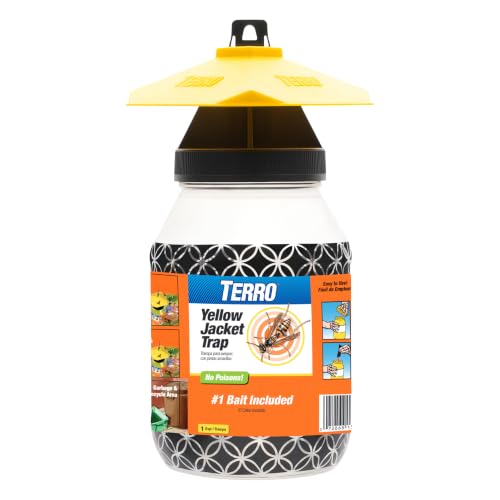
ATTRACT & KILL YELLOW JACKETS: Attracts and traps yellow jackets outdoors
Safety Tips for Handling and Disposing of Your Hornet Trap
Handle your hornet trap after dusk or at night because hornets are most active during the day, which significantly reduces your risk of stings. Before moving the trap, seal the opening with tape or enclose it in a closed bag to contain any remaining hornets or content. Always wear protective gear such as thick gloves and a veil, especially if you suspect live hornets remain inside. People with sting allergies should avoid handling traps altogether to prevent severe reactions. It is also wise to regularly wash and maintain your protective veil and gloves to prevent residue buildup that could attract hornets. For additional protection, consider installing bird netting options around your coop to deter hornets from nesting nearby. As with squirrel baiting, ensure your attractant is placed in an area where it will not accidentally lure beneficial insects away from the trap.
When disposing of the trap’s contents, follow your local disposal regulations. Do not contaminate water sources or food areas—place used attractant and trap parts directly into the trash. If you plan to reuse the trap, rinse it thoroughly with water to remove any residue. For traps suspected of containing live hornets, seal the trap securely before placing it in the freezer for several hours to euthanize any remaining insects, then open and dispose of it safely. Store used traps out of reach of children and pets, and keep them away from food preparation areas. Always handle all parts carefully, and wash your hands and exposed skin thoroughly afterward to prevent stings or allergic reactions.
How Often to Empty and Refresh Your Hornet Trap
Empty your trap when it’s about two-thirds full or after three to four weeks, whichever comes first. A full trap limits space for new insects and can cause clogging, reducing its effectiveness. Regular maintenance ensures you don’t miss out on captures and keeps the trap functioning properly. For similar reasons, proper protective gear is essential when handling trapped animals that may spray or bite.
Bait should be refreshed every one to two weeks in warm weather because heat accelerates decay. In hot conditions, you may need to replace bait every few days. Cooler weather slows decay, allowing longer intervals between replacements. When insect catch rates increase, check the trap more frequently, as it can fill faster and require early emptying. Avoid letting dead insects accumulate inside the trap, as this can interfere with its performance. Following these intervals will help maintain the trap’s lethality and ensure continuous insect control.
3 Upgrades That Boost Catch Rates: Rain Covers, Sponges, and Ventilation
Adding a rain cover, sponge bait holder, and ventilation holes can significantly improve your catch rates. Starting with a rain cover, a simple bottle-shaped roof over the entrance prevents bait dilution from rain. It preserves odor strength, making the trap more attractive to insects. The cover should be positioned carefully to block rain while still allowing insects to fly in freely. This ensures longer-lasting bait effectiveness and reduces the need for frequent replenishing. This principle mirrors how trap placement must shield bait from moisture in pocket gopher trapping.
Using a sponge as a bait holder increases surface area for odor dispersion and prevents insects from drowning. Simply place a damp sponge inside the trap near the bait. The sponge absorbs excess moisture, keeps the bait from pooling, and makes the trap easier to clean. Its porous nature facilitates a steady release of scent, drawing insects more effectively.
Finally, drill ventilation and escape holes—about 4 mm in diameter—above the bait level. Placing 4 to 6 holes helps reduce internal moisture buildup and maintains bait volatility. It also allows smaller non-target insects to escape, improving trap selectivity. These small modifications help keep the trap dry, smell potent, and more efficient in catching insects.

Function: Rain Barrel cover for outside use helps prevent the accumulation of debris ,keeps the mosquitoes out and doesn’t allow them to lay their eggs in the water.

2-Pack Value Set & Perfect 23.6in Size – 2 premium rain barrel mesh covers, 23.6 inches in diameter, perfectly fits most standard rain barrels, water collection buckets, and tanks; ideal for US outdoor gardens, eaves, and backyard water collection setups.

FINE MESH MOSQUITO SCREEN – Fine mesh helps keep mosquitoes and other small pests from entering your rain barrel while allowing rainwater to pass through.
Troubleshoot a Hornet Trap That Catches Nothing
If your hornet trap isn’t catching anything, the first step is to check its placement. Hang it near known hornet flight paths instead of in random open spaces. Position the trap in sunny spots but in shaded areas during extreme heat to prevent overheating. After 24 hours with no catches, reposition the trap to a different location to test new areas. For a more durable and secure setup, consider using hardware cloth as a shield around the trap to protect it from larger pests. Using cheap materials for the trap body ensures you can easily build multiple units to test various spots. For effective long-term pest management, consider ultrasonic repellent technology as a complementary method for indoor areas.
Next, examine your bait. Refresh it when it weakens and make sure you’re using enough attractant to keep the vapor active. Allow the attractant to sit briefly so the vapors disperse before placing the trap, and warm it slightly in cooler weather to enhance odor release. Confirm that the trap is assembled correctly, with unobstructed entrances and liquid levels at the recommended mark.
Avoid placing traps near flowering plants, food crops, or bee areas that could distract or interfere with hornet attraction. If you still see no results, relocating the trap is your best first step before trying a different bait mix.

For RESCUE! Yellowjacket Traps – This attractant refill works inside any reusable RESCUE! Yellowjacket Trap. Two vials of attractant are enclosed, each lasting 2 weeks.

For RESCUE! Yellowjacket Traps – This attractant refill works inside any reusable RESCUE! Yellowjacket Trap. Two vials of attractant are enclosed, each lasting 2 weeks.

FOR RESCUE! YELLOWJACKET TRAPS – This refill cartridge provides 10 weeks of yellowjacket attracting power when used in the RESCUE! Reusable Yellowjacket Trap.
Why These Traps Work Best for Monitoring, Not Eradication
These traps are best used for monitoring rather than eradication. They primarily detect hornet presence and track activity levels, providing early warning signals of increased pressure rather than full population control. Regular daily checks reveal when hornet activity spikes, indicating the need for more targeted nest searches. You’re gathering actionable data to inform your response, but the traps alone won’t eliminate the colony. For a similar approach in your garden, consider using squirrel baffles to protect bird feeders from persistent pests. For indoor plant pest monitoring, mosquito dunks offer a similar targeted control method for fungus gnats. For outdoor flea control, a bug bomb can provide broader area coverage when combined with monitoring.
Eradication remains difficult because traps only catch foragers, the hornets leaving the nest to gather food, not the colony itself. The absence of captures does not confirm that the colony has been eliminated. Combining trap data with visual nest searches and removal efforts is necessary for effective control. Because of the scale of effort required, attempting backyard eradication generally isn’t realistic.
You should also consider the ecosystem impact. Non-target animals, especially pollinators, can get caught in these traps. Many programs recommend using selective trap designs or releasing unintended captures. Frequent checks help you limit unintended harm while still benefiting from early detection. Using traps mainly for monitoring allows you to gather useful information while minimizing ecological disruption.