


If you’ve ever found a skunk trapped in a live cage, you’re probably wondering how to get it out safely without risking a spray.
The key is to approach calmly and carefully, minimizing the skunk’s stress and keeping yourself out of reach of its spray range.
With the right techniques, you can release it peacefully and avoid a stinky situation.
The following steps will guide you through a safe, effective process.
How to Release a Skunk Without Getting Sprayed
Draping a tarp or blanket completely over the trap is essential for releasing a skunk safely. This covering helps keep the animal calm by blocking its view of your movements, which reduces stress and the chance of a spray. Always ensure that the tarp or blanket stays between your body and the trap to protect yourself from spray if the skunk feels threatened. Moving the trap to a secure vehicle for transport, such as a secured pickup truck, ensures safe relocation over the necessary distance. Unlike bee suits, which are designed specifically to protect against bee and wasp stings, a skunk’s spray can still penetrate light fabric, so a heavy tarp or blanket is critical. For those concerned about attracting other predators during the relocation process, a pond netting can be used to cover any open water nearby to prevent wildlife from being drawn to the area. Remember that coyote urine may actually attract coyotes rather than deter them, making it an unreliable repellent.
To open the trap, position yourself beside or behind it, never in front. Hold the door securely open and then slowly back away. Avoid slamming or shaking the trap, as sudden movements can provoke the skunk. If the skunk refuses to exit, give it time and space—don’t force it out. Patience is key. If all efforts fail or you feel unsafe, contact a wildlife professional to handle the release.
What to Gather Before Releasing a Skunk
Before you approach the trap, gather a few key items to guarantee a safe, calm release. Wear thick leather gloves with no holes to protect yourself from bites and contaminated surfaces. Use a large towel, tarp, or blanket to completely drape the trap, which helps reduce visual stress for the skunk and makes handling safer. Keep a long pole or stick nearby to open and operate the trap door from a safe distance, preventing close contact. Place a brick or sturdy prop behind the trap door to keep it open at least five inches, ensuring the skunk can leave freely without being blocked. Dress in old clothing that covers your arms and legs for added protection. Before releasing, check that your chosen area is isolated and review local rules regarding the distance for releasing the skunk to avoid legal issues or re-capture. When covering the trap, remember that the skunk’s spray defense is limited and requires time to replenish, so a calm and patient approach reduces the likelihood of being sprayed. Similar principles of using simple build process techniques can help secure the trap from other animals. Designing the trap with features that prevent squirrel-proof access can further reduce unwanted captures. Many effective traps include a live catch mechanism that holds animals securely without harm, as highlighted in reviews of top rabbit trap options. With these items prepared, you can conduct a safe, controlled release.

Durable Leather Construction: Made from Kevlar reinforced leather for maximum protection and grip Bite Resistant Design: Special snake proof pattern prevents bites from...
How to Cover the Trap Before Releasing the Skunk
Cover the trap with a large, thick tarp, heavy blanket, or plastic sheet that completely drapes over the cage. This full coverage creates darkness inside, which helps calm the skunk since it cannot see clearly and is less likely to spray. Approach the trap slowly from the side wrapped in the cover, holding the material open in front of your body. Gently lower it onto the trap without throwing it, ensuring you block the skunk’s vision while allowing airflow. Keep the cover secure enough to absorb or deflect spray if it occurs and to prevent the skunk from escaping or becoming overly stressed. Avoid sudden movements and pause if the skunk stamps or lifts its tail, giving it time to settle, as these aggressive signs signal the need to freeze. Keep the cover stable until you’re ready to proceed with safety. While this method differs from dealing with squirrels, coyote urine is a debated deterrent that some people try for similar wildlife issues, but it often fails to reliably repel target animals. For effective control, using a trap with a sensitive trigger mechanism can help ensure the skunk is caught before it has time to react. Choosing the best mask for your yard needs can also help protect you from odors and airborne particles during the process.

High Quality Materials:SZHLUX Live Animal Cage Trap use low carbon steel wire and medium frequency welding. In this way, the product surface is flat, the welding is firm, and it is not easy to solder off.Weather and rust resistant.

Wide Application: As urban and wilderness ecosystems intertwine, animals may disturb your life. Our cat trap is a versatile solution for various animals, including cats, raccoons, rabbits, groundhogs, armadillos, and opossums. It effectively addresses issues such as farmland invasion, release, and harassment.
How to Position Yourself and Open the Door Safely
To position yourself and open the door safely when releasing a skunk, stand beside the trap or at the end opposite the door. This keeps you out of the skunk’s spray range and line of sight. Avoid leaning over or crowding the opening, as sudden movements can trigger defensive behavior. Before touching the latch, ensure the door is oriented toward clear escape cover. If available, position the trap parallel to the shed to give the animal a direct path to cover upon exit. Always wear protective gear such as thick gloves and safety glasses to prevent bites or stings during the process. Using the best bait can help ensure the skunk enters the trap willingly, reducing stress on the animal.
Open the door slowly and deliberately using the release mechanism, keeping your hands and face away from the opening. Do not jerk the trap, as smooth operation prevents startling the animal. If possible, open the trap from a distance with a stick or pole. Once the door is open, step back immediately—don’t hover. Give the skunk space to exit calmly, then wait until it has left before approaching. For added security, you can use a squirrel baffle to block the skunk from accessing tight areas near the trap. These precautions help minimize stress and reduce the risk of being sprayed.
3 Safe Release Methods for a Trapped Skunk
To release a trapped skunk safely, you should use one of three low-stress methods designed to minimize the chance of spraying. The first is the covered-door release: drape a large tarp entirely over the trap to block its vision, then open the door slowly and steadily. Because skunks rely on poor eyesight for defense, this shielding helps calm them. The second method is the door-propped release: after covering the trap, prop the door open with a brick or similar object and step back immediately, allowing the skunk to exit voluntarily without feeling threatened. The third approach involves the gravity-door flip: use a long pole to gently tilt the trap onto its roof, opening the door from a safe distance. Always execute these actions smoothly and deliberately, as sudden movements can trigger a defensive spray response. Proper maintenance of your trap—ensuring the doors and latches work properly—will prevent accidental re-trapping. Regardless of the method chosen, observe the skunk closely; if you see foot-stamping or tail-raising, stay still and wait until the skunk relaxes before approaching again. Unlike bird spikes, which are generally designed not to harm birds but can cause injury if poorly maintained, a skunk trap must be kept in good working order to prevent accidental re-trapping. When selecting a trap for this purpose, prioritize models with durable weather-resistant materials to ensure long-term reliability in outdoor conditions, much like the top-rated traps reviewed for carpenter bees. For apartments, the best bug bombs emphasize safety and thorough coverage to eliminate pests without leaving harmful residues.


🦝Humane & Effective Raccoon Management: GROWLING raccoon one way door ensures effective raccoon control by permitting exit without re-entry, providing a humane solution to wildlife management without harm to the animals.

100% Smell Proof Anti-smell retainer interior
How to Transport a Trapped Skunk Without Stress
To transport a trapped skunk without provoking a spray, keep the trap covered and handle it gently. Skunks are less likely to spray when they cannot see threats, so maintaining a dark, enclosed environment is essential. When lifting the trap, do so slowly and carefully to avoid sudden jolts that can trigger their defensive response. Place the trap in the cargo area of your vehicle, not in the passenger cabin, and secure it firmly to prevent sliding or tipping during transit. Keep the cover on throughout the journey to minimize visual stress. Drive smoothly with gentle acceleration, gradual braking, and avoid sharp turns, as rough roads increase agitation. Minimize transport time to reduce the skunk’s stress levels. Speaking softly and calmly to the skunk with verbal reassurance throughout the process helps maintain calmness and reduces the likelihood of a defensive spray. For an added layer of security, you can place inexpensive materials over the trap’s bars to further block visual threats. After release, clean the trap thoroughly to eliminate lingering scents, preventing the skunk from associating it with danger in future encounters. If the trap shifts during transport, the skunk may become agitated, so using correct spacing and fixings to fasten the trap in place prevents movement and reduces stress. For outdoor situations, choosing effective pest control products can help prevent spiders that might startle the skunk near the trap.
What to Do if the Skunk Stamps Its Feet or Lifts Its Tail
If a skunk starts stamping its feet or lifting its tail, you are witnessing clear warning signs that it feels threatened and is prepared to spray. These behaviors are part of a sequence of defensive signals you must not ignore. Immediately stop all movement and freeze in place. Stay perfectly still until the skunk relaxes and lowers its posture. Any sudden motion or loud noise will heighten the animal’s threat response and increase the chances of being sprayed.
Remain quiet and keep your distance. Wait for the tail to lower and the stamping to cease. Only then should you begin to move slowly and deliberately. Speak softly or stay silent to avoid drawing attention. Keep any objects, such as a trap or belongings, between your body and the skunk’s line of sight. Do not attempt to approach during this warning phase. Moving closer or forcing the animal to feel cornered can trigger a spray. Patience, calmness, and careful retreat are your best strategies to prevent a spray. Remember, these defensive signals are the skunk’s final warning—heed them carefully to stay safe. For comparison, while standing water requires mosquito dunks for control, a trapped skunk demands a completely different, non-chemical approach, such as using simple building materials for a protective barrier.
Common Mistakes That Trigger a Skunk Spray
Moving suddenly near the trap increases the risk of a skunk spraying. Quick steps or jerky gestures can startle the animal, raising its defensive spray response immediately. That’s why it’s essential to move slowly and purposefully—deliberate, calm movements help keep the skunk relaxed. Rushing your approach or pulling back abruptly signals danger and can trigger the spray.
Your technique for covering the trap also plays a crucial role. Instead of throwing the cover hurriedly over the trap, gently drape it to avoid startling the skunk. A rough or sudden cover can frighten the animal, increasing the chance of a spray. On the other hand, a slow, smooth placement of the cover minimizes stress. Additionally, leaving the trap uncovered for too long can make the skunk more alert and anxious. When approaching, stay behind the covered trap if possible, and avoid standing directly in front of it for extended periods. Use a low voice and smooth, controlled movements at all times. Any sudden motion or loud noise can set off a defensive spray, so patience and careful handling are key. Properly securing one end of the cover beforehand helps prevent immediate visibility, reducing the skunk’s agitation during covering.

Patented Product: Products do not include trap cages, Only cover, Recommend for cage size 32 x 10 x 12 inches, fit for small animal trap cage

Patented Product: Products do not include trap cages, Only cover, Suitable for cage size 32 x 10 x 12 inches, fit for small animal trap cage

Patented Product: Products do not include trap cages, Only cover, Suitable for cage size 32 x 10 x 12 inches, fit for small animal trap cage
When to Call a Professional Instead of Releasing It Yourself
Releasing a trapped skunk yourself isn’t always the best option. Call a professional if the animal shows signs of injury, illness, or distress. Visible wounds, limping, or extreme lethargy require the care of a wildlife rehabilitator. Abnormal behaviors like weakness or an inability to move normally can indicate a serious health problem. A professional handles these situations carefully to prevent further injury during release. Additionally, you may use a trap like the JT Eaton Answer Humane Live Catch & Release Skunk Trap, which features a rear-entry design to minimize spray risk during handling.
You also need expert help when the trap is located in a confined space such as a crawlspace or basement. These tight spots increase both stress for the animal and the risk of being sprayed. If you’re unable to safely cover the trap to reduce spray risk, calling in a professional is the safer choice.
Legal considerations also come into play. Many local regulations specify how and where you can release a skunk, often requiring on-site release or limiting relocation to a specific distance, like five miles. Failing to follow these rules can lead to fines or other penalties. When uncertain about legal requirements or when you need to keep bystanders and pets safe during release, a licensed professional ensures the process is safe, legal, and effective for everyone involved.

HUMANE CAPTURE: This large live animal trap safely captures raccoons, cats, possums, and other small animals with a 1-door design that allows full entry before closing, reducing escape chances for effective pest control

Fully enclosed;Solid steel front door;6"x24"
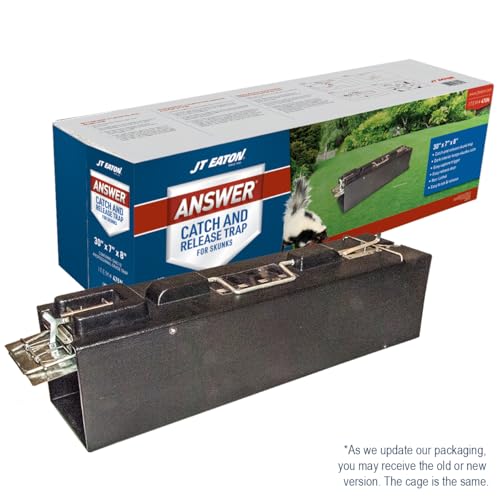
CATCH AND RELEASE TRAP: Humane live trap designed for skunks and other medium-sized pests