

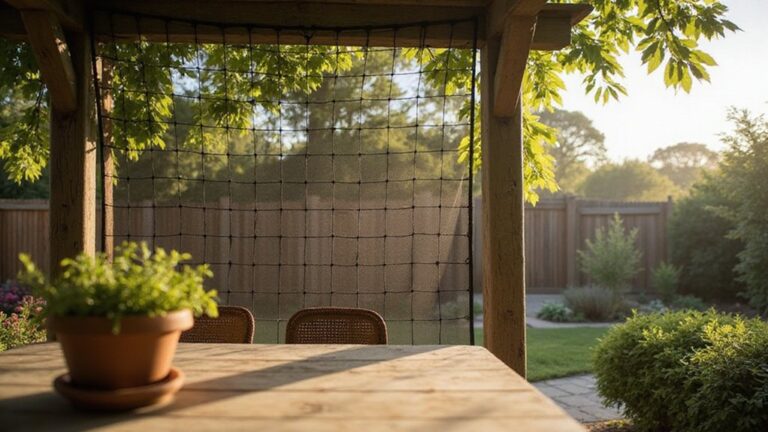
Worried about birds ruining your garden, crops, or property? Bird netting offers a simple, effective way to keep those pesky visitors out without using harmful chemicals or loud scare devices.
It’s a durable, UV-resistant mesh that lets light, air, and rain through while acting as a physical barrier. Keep reading to find out which type best suits your needs.
What Exactly Is Bird Netting and How Does It Work?
Bird netting is a physical barrier made from mesh material that prevents birds from landing, roosting, or nesting in designated areas. It works by creating a continuous boundary that birds cannot fly through, effectively blocking access. The netting allows light, air, and rain to pass through, ensuring minimal disruption to the environment. You select the appropriate mesh size based on the bird species you’re targeting—for example, 3/4 inch mesh for small birds or 2 inches for larger birds like pigeons. Made from UV-resistant polyethylene, the netting withstands weather conditions over time without the need for noise or motion to deter birds. For a similar DIY approach, you can apply homemade deterrent sprays to complement the netting and target persistent pests. This netting is also commonly used to protect pond water features from debris and leaf accumulation. For controlling specific pests, you might find that bee trap solutions work best when used alongside netting for comprehensive protection. This humane exclusion method provides a durable, long-term solution to keep birds away from crops, building ledges, rooftops, or other sensitive areas.
Why Choose Netting Over Scare Tactics or Chemicals?
Bird netting provides a reliable, long-term solution because it physically blocks access to protected areas. Unlike scare tactics that rely on disturbing bird behavior, birds quickly become habituated to noises, decoys, or distress signals, forcing you to constantly rotate devices for diminishing effectiveness. Chemical repellents often produce inconsistent results and degrade over time due to weather, rain, and exposure, requiring frequent reapplications. Netting remains effective without needing ongoing adjustments or reapplications. It offers a consistent barrier that does not rely on bird behavior changes or chemical activity, making it ideal for securing crops, buildings, or other sensitive areas. This durability translates into a safer, cleaner way to exclude birds without residue concerns, providing peace of mind and reducing labor in the long run.

Size: Deer netting size 7 feet x 100 feet; garden netting mesh size 3/4"; color: black; Easy to use accessories included: 10pcs installation nails & 50pcs cable ties
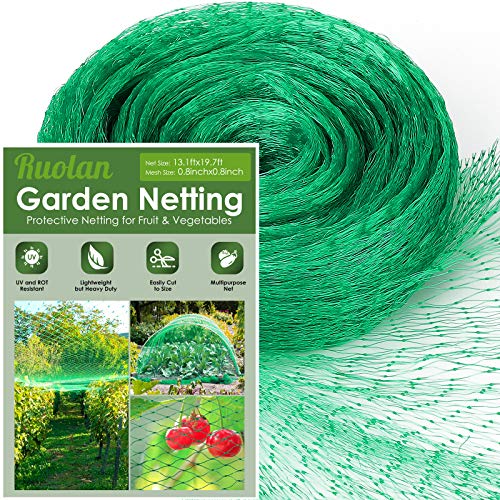
【Perfect size】(Garden Netting size 13ftX20ft, Mesh Size 0.8inchX0.8inch), Protect fruit tree plant blueberry strawberry from animals

Durable Material: Our bird netting for garden is made of good mesh cloth and PE material, waterproof and sun-proof, not easy to deform or break, and can be used for a long time outdoors to protect your orchard
Heavy-Duty vs. Agricultural Netting: Which One Do You Need?
Heavy-duty netting is the better choice if you require durability and long-term use. It typically features knotted, thicker twine with higher netting density, making it tear-resistant and capable of repeating use over many years. This type of netting is ideal for large orchards or high-value crops that are exposed to harsh weather conditions and persistent pests. Its construction provides added strength, ensuring it withstands the wear and tear of demanding environments. For example, one heavy-duty option is made from high-density polyethylene with a 20mm diamond mesh and UV stabilization for lasting outdoor protection. For those dealing with persistent stinging insects, a similar principle of using durable materials can guide the construction of a long-lasting yellow jacket trap. For rooftop installations specifically, referring to top bird spikes for roofs can help ensure the netting is paired with proper perimeter deterrents.
In contrast, agricultural netting is generally lighter and often knitted or knotless, designed for seasonal applications. UV-stabilized models usually last between five and ten years, making them suitable for temporary setups. They work well when draping directly over bushes or using suspension systems for simpler crop protection. Because they are less dense, agricultural netting offers better airflow, which benefits plant health and ease of handling. When comparing options, buyers should weigh quality and value against the specific needs of their garden layout.
Your choice depends on the level of pest pressure, environmental exposure, and whether you prioritize long-term durability or seasonal flexibility. Heavy-duty netting suits permanent, high-performance installations, while agricultural netting is better when crop protection needs are temporary or easily adjustable.

HDPE Material for Outdoor Garden Use: Made from high-density polyethylene (HDPE), RIFNY garden bird netting is designed for outdoor plant protection and repeated seasonal use. The flexible mesh is suitable for backyard gardeners, vegetable gardens, raised beds, fruit trees, blueberry bushes, flower gardens, and orchards. The black netting provides a practical barrier for protecting plants while maintaining airflow and sunlight

All-Season Netting for Garden Protection: This bird netting for garden offers year-round protection for your plants, fruits, vegetables and flowers from animals such as birds, deer, squirrels, rabbits, raccoons, poultry and other animals. The tight woven mesh design creates a strong barrier without disrupting plant growth, making it perfect for safeguarding vegetable gardens, fruit trees, flower beds, shrubs, and ponds. Ideal for protecting delicate crops such as blueberries, strawberries, and cherries, this garden netting effectively keeps unwanted critters out while supporting healthy, natural growth

Reliable Netting for Garden Protection: Our bird netting for garden is designed to safeguard your plants, fruit trees, and vegetables from birds, deer, squirrels, rabbits, and other animals. This lightweight yet strong garden netting is difficult to tear or damage by squirrels and other small rodents. It is temperature-resistant, cold-resistant, and usable year-round.
What Mesh Size Stops Sparrows, Pigeons, or Crows?
A mesh size of 3/4 inch (19 mm) or smaller reliably stops sparrows. These small birds can slip through gaps larger than that, so choosing netting with 19 mm or 1/2 inch mesh ensures total exclusion. Pigeons require a larger mesh—about 2 inches—to be effectively blocked, while crows are best kept out with mesh sizes ranging from 1 inch to 2 inches. To prevent sparrows from infiltrating your setup along with larger pests, opt for 3/4 inch netting. Larger mesh sizes for pigeons and crows help reduce material and handling effort, but always match your mesh size to the smallest bird you aim to exclude. Remember, smaller birds tend to exploit gaps intended for larger ones, so select the smallest appropriate mesh to target your full pest range without over-engineering. For a similar reason, feeders using squirrel spinners can distract larger pests from damaging the netting. If you are constructing your own barrier, lightweight netting materials similar to those used in DIY bee suits can reduce overall weight and improve ease of installation.

Protective bird netting effectively protects fruit, vegetation, chicken and berries from thieving birds and other other animals. Harsh Weather resistant, protect your plants without harming birds and other animals.

Protective bird netting effectively protects fruit, vegetation, chicken and berries from thieving birds and other other animals. Harsh Weather resistant, protect your plants without harming birds and other animals.

Heavy-Duty Nylon Bird Netting:Lightweight yet tough, UV-proof nylon multifilament net resists tangling and tearing—durable & reusable.
Protecting Crops, Buildings, and Ponds: Where Netting Works Best
Bird netting is most effective when stretched tightly over targeted areas to create a physical barrier that prevents access. For crop protection, drape the netting directly over fruit trees or vegetable beds, ensuring it reaches the ground to block bird flight paths into ripening produce. When installing around buildings, attach the netting across facades, eaves, or rooftops, with enough tension to prevent birds from finding gaps or footholds. For ponds, stretch the netting several inches above the water surface, secured at the edges to keep waterfowl from reaching fish below. Using UV-stabilized netting ensures durability against sun exposure and weather, providing continuous, non-lethal protection against persistent bird intrusion. The key to success lies in selecting the appropriate size mesh, usually small enough to prevent bird entry, and securing all edges firmly to maintain an effective barrier. If birds have already infested an enclosed structure, you may need to apply a bug bomb to eliminate insects that attract them before sealing the netting. For yard uses, hardware cloth with galvanized steel mesh offers a more rigid, long-lasting alternative for excluding larger pests like rodents or raccoons from garden beds and structures. A simple DIY fruit fly trap can also be built using similar principles of barrier exclusion to target smaller flying pests indoors.

Complete Garden Protection for Plants & Fruit Trees: Protect gardens, fruit trees, vegetables, and berry bushes with 1/2 inch woven bird netting. The fine mesh helps reduce access from birds, deer, rabbits, squirrels, and other wildlife while allowing sunlight, rain, and airflow to reach your plants. Ideal for blueberries, tomatoes, strawberries, and other garden crops.

PROTECT YOUR GARDEN: Safeguard your fruits and plants with Bird B Gone's Garden Bird Netting! This lightweight, UV-stabilized plastic mesh creates a secure barrier against pest birds, ensuring your fruit trees, blueberry bushes, and gardens thrive. Ideal netting for garden protection from birds, it’s a must-have for any gardener.

Woven HDPE Mesh for Reliable Garden Protection — Crafted from high-density polyethylene (HDPE) multifilament in a tight diamond weave, this bird netting delivers durable defense against garden visitors. UV-stabilized to resist sun damage and color fading, the woven construction stays strong through rain, wind, and intense summer heat season after season
How to Install Netting Without Gaps or Tears
To install netting without gaps or tears, start by measuring the entire area carefully and add extra material for edge wrapping and seam overlaps. Building a support frame is crucial so the net doesn’t rely solely on loose spanning; a frame with hooks or cables helps maintain shape and tension. Create a tight perimeter using hooks or cables, tightened with turnbuckles to ensure the net remains firmly stretched. Make sure the net is aligned squarely on the frame to prevent twisted edges that can cause gaps. For a similar reason, ensuring the netting has a fine mesh weave can also help block smaller pests like wasps that might slip through standard openings. Using a fine weave also reduces the chance of mosquitoes breeding near the covered area, as they are often attracted to standing water and hidden shelters. While the netting is effective against birds and wasps, larger animals like groundhogs may require different deterrent strategies to protect garden areas.
Fasten the netting along the perimeter at intervals of about six inches using clips or ties. Overlap seams by at least six inches to avoid gaps, securing both layers thoroughly with your chosen fasteners. Carefully fold and clip corners, as these are common points where tears can start. When unfolding the net, do so slowly and avoid rough contact with sharp or abrasive surfaces. Maintain firm tension — but not so tight that it risks tearing — throughout the entire installation. Trim away excess ties after securing everything.
Finally, walk around the entire perimeter, pressing against the mesh to check for hidden openings. Small tears or holes should be repaired immediately using patch tape to ensure the integrity of the net.
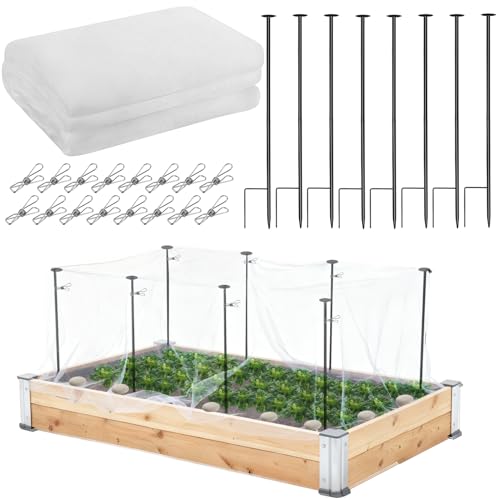
More Stable Frame: Our garden netting support hoops are made of metal with rustproof coating, more sturdy and durable than fiberglass hoops, besides, the bottom is designed into fork shape and sizes 2.6ft in length, which makes the garden netting kit more stable and easy to protect your plant and crops.

【Air, Sunlight & Water Can Pass Through】The ultra-fine garden netting allows air, sunlight and water to reach your plants while helping create a protected growing environment. Water plants directly through the mesh without removing the cover, making daily garden care more convenient.

Upgraded with a heavy-duty fiberglass core and premium plastic coating. This ensures a Safe and Splinter-Free, while increasing hoop toughness by 20% to prevent snapping or slipping from connectors.
Which Outdoor Materials Survive Sun, Rain, and Years of Use?
Materials like UV-stabilized polypropylene, powder-coated aluminum, ASA plastic, and resin wicker are among the most durable options for outdoor use over many years. UV-stabilized polypropylene resists sun damage for 5 to 10 years, far longer than untreated plastics that degrade in months. Powder-coated aluminum and ASA plastic also excel, offering resistance to rust and fading for more than a decade. Similarly, proper bee suit maintenance involves using gentle soap and avoiding bleach to preserve the fabric’s protective coating and longevity. Weather resistance is equally important. For projects requiring small animal exclusion, galvanized hardware cloth offers superior rust resistance and structural integrity for lasting yard use. Solution-dyed acrylic fabrics and resin wicker can shed rain effectively without swelling or rotting. Natural oils in teak help it repel moisture, making it suitable for long-term outdoor exposure. In contrast, untreated wood and natural rattan absorb moisture quickly, leading to decay. In coastal or high-rain areas, focus on corrosion-resistant metals and hydrophobic materials. For the longest lifespan, combine inherently stable polymers like PVDF with protective coatings. Your specific climate should guide your choice—select UV-stable materials for sunny conditions and fast-drying, rot-proof options if you face frequent rain. For indoor spaces, bug bomb treatment effectively targets spiders and other pests by releasing insecticidal fog into hard-to-reach areas.
How UV Stabilization Doubles Netting Lifespan
UV stabilization can double the lifespan of your bird netting. Without it, untreated polyethylene typically becomes brittle within 12 to 18 months due to UV exposure. In contrast, UV-stabilized high-density polyethylene (HDPE) can last between 5 and 10 years under similar conditions. High-quality nets with UV stabilizers can even reach up to 15 years of reliable service. Comparing material gauge matters little for UV resistance, but selecting a net with the right wire thickness for your specific yard needs ensures structural integrity alongside longevity. For those who also use feeders, squirrel-proof bird feeders offer a complementary approach to protecting your bird food supply. Similar to selecting the right trapping method for voles, choosing the correct UV-stabilized netting material is essential for effective long-term pest management.
UV stabilizers like carbon black work by blocking photodegradation, which prevents ultraviolet rays from breaking down the material’s molecular structure. This preservation of strength and flexibility means you won’t need to replace your netting every season. As a result, you save on labor costs and reduce waste.
Climate and installation practices do matter, but they are secondary to the material’s UV resistance. A UV rating of around 400 KLY (kilo-years) typically offers about 4 to 5 years of UV protection in moderate zones. For permanent setups, this durability minimizes downtime and maintains proper tension over the years. Ultimately, UV stabilization significantly enhances your netting’s longevity, ensuring it remains effective and durable far beyond untreated options.
Bird Netting for Orchards vs. Roofs: Key Differences to Know
The installation and design of bird netting vary significantly between orchard protection and roof applications. For orchard protection, you typically install netting at a height that allows it to drape over overhead support wires, covering entire crop blocks. The mesh size is usually 20 millimeters or less to effectively block small bird species that threaten fruit crops. This netting must be accessible for pruning and harvesting, so it is often designed with larger openings or dedicated access points.
In contrast, roof netting is installed at the building’s parapets and aims to seal off specific entry points like vents, ledges, or rooflines. Its primary goal is to prevent nesting and roosting rather than protecting crops. Mesh size is selected to block access to these structural features without impeding building ventilation, typically smaller to prevent bird entry into vents or gaps. Installation involves securing the netting tightly around the entire perimeter, with periodic inspections to check for tears or gaps. While orchard netting revolves around crop management and ease of access, roof netting focuses on structural sanitation and ongoing barrier integrity.
Signs It’s Time to Replace Your Bird Netting
Visible holes, frayed edges, or broken strands are clear signs your bird netting needs replacing. These damages allow pests to slip through and undermine your barrier. Sagging sections or excessive billowing indicate the netting has lost tension, creating gaps along edges where birds can enter. If the material looks sun-faded, brittle, or discolored, it’s time for a replacement, as poor durability means it can no longer effectively exclude birds. Rusted hardware or corroded anchors weaken the entire support system, increasing the risk of failure. Additionally, if birds are nesting nearby or repeatedly getting through the netting, it signifies that the barrier has become ineffective. Regular inspections—preferably monthly—help you catch these issues early, preventing costly damage and maintaining effective bird exclusion.