


If you’re battling fungus gnat larvae in your soil, you’re probably wondering if Mosquito Bits can help. The good news is that these bits contain a natural bacteria that specifically targets fly larvae without harming your plants or soil.
They work quickly, killing larvae within days, but adult gnats may stick around for weeks. Keep reading to learn how to use them effectively.
How Mosquito Bits Kill Larvae Without Harming Plants
Because Mosquito Bits rely on a species-specific toxin called Bti, you can soak them in water and pour the “tea” into your soil without worrying about harming your plants. This treatment won’t disrupt your soil health or interfere with plant nutrition. Bti simply doesn’t interact with plant cells or roots; it only activates inside specific fly larvae. You’re not applying a chemical that alters your potting mix’s biology or nutrient availability. Instead, you deliver a targeted biological control that leaves your plant’s physiology completely unchanged. For similar targeted outdoor protection, you might use deer netting setup steps to block pests without chemicals. For carpenter bees, top bee traps offer a comparable species-specific approach. Wearing a bee suit would not shield you from wasps, as the toxin Bti works only on specific fly larvae and not on stinging insects.
You can safely use this tea on vegetables, herbs, or houseplants without any phytotoxic effects. Your plants will continue to grow normally, absorbing water and nutrients as they should. The toxin remains concentrated in the moist soil medium, where mosquito larvae feed, while your plants stay untouched. Because there’s no systemic uptake, there are no residues in your crops, making it a safe choice for edible plants. This targeted approach ensures effective pest control without compromising your plants’ health or safety.

Quick acting formula

Environmentally Sound Biological Mosquito Control
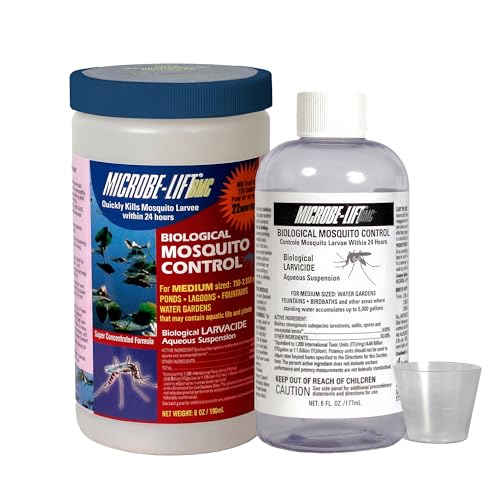
THOROUGH MOSQUITO CONTROL: EPA registered product that kills developing mosquitoes including those which may transmit equine encephalitis & heartworm disease to dogs & cats; Limit the spread of West Nile Disease with effective mosquito control using BMC
How Bti Kills Fungus Gnat Larvae in Your Soil
Bti kills fungus gnat larvae in your soil through a process called larval gut activation. When you water the soil with Bti, the bacteria penetrate the top layer and come into contact with the larvae. The larvae ingest the protein crystals present in the Bti, activating their digestive enzymes and triggering the toxin. This toxin then punctures the larvae’s gut lining within hours, quickly halting their feeding. You can expect to see larvae die within 24 to 48 hours after treatment. The method’s selectivity depends on the specific gut conditions of the larvae; non-target organisms remain unharmed. The granules can remain active for several days in moist soil, continuing to target new larvae. While you’re managing larvae underground, adult gnats will still be flying around above the soil surface. For a more comprehensive approach, consider using a carbon dioxide source to attract and trap adult mosquitoes, a similar principle used in pest control equipment.

Uses natural Bacillus thuringiensis to specifically target and eliminate fungus gnat larvae in the soil.
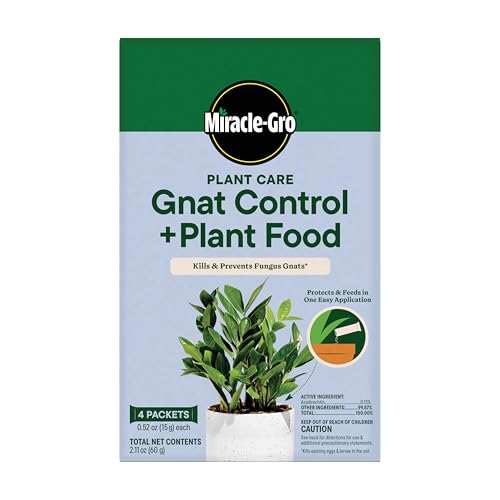
Fungus Gnat Control and Plant Food: Miracle-Gro Plant Care Gnat Control + Plant Food kills and prevents pesky fungus gnats (kills existing eggs and larvae in soil) while also providing your plants with the vital nutrients they need to thrive

FAST-ACTING FUNGUS GNAT CONTROL – Designed to help eliminate fungus gnats and reduce unwanted pest activity around soil surfaces and indoor plants.
Week-by-Week: What Fungus Gnat Populations Look Like After Treatment
After applying a Bti treatment, expect little change above ground in the first week. Sticky traps may still catch high numbers of adult fungus gnats during this time. However, below soil, you should see the first larval die-off within approximately 72 hours. Drying the topsoil becomes your most effective tactic, encouraging the environment to become drier and disrupting the gnats’ habitat preferences to accelerate control. Unlike many chemical pesticides, mosquito bits rely on a natural bacterium to specifically target pest larvae. Mosquito Dunks are widely considered safe for plants and pets when used as directed. For outdoor infestations, a Havahart trap setup can physically remove adult gnats instead of relying solely on soil treatments.
Why Adult Gnats Stick Around After You Apply Mosquito Bits
Adult fungus gnats stick around after you apply Mosquito Bits because the Bti in the product only targets the larvae in the soil, not the adult gnats flying around. The adults you see are already alive when you treated, and they won’t die until they reach the end of their 7-to-10-day lifespan. They will keep swarming near your pots until they naturally expire, even as the larvae population begins to decline.
Additionally, the gnat lifecycle involves overlapping stages. Eggs and pupae present before treatment are unaffected by Bti. Eggs hatch into larvae, and pupae emerge as adults days later, which can make it look like the treatment isn’t working. These newly emerged adults can then lay more eggs, extending the cycle. The persistent flickers you notice are just the last waves from the original pre-treatment stages, dying off gradually as the soil becomes less hospitable for larvae. Unlike trapping a skunk, where a live trap captures the adult pest directly, Bti leaves the flying adults untouched until they die naturally.
The Right Way to Mix and Apply Mosquito Bits
To effectively target fungus gnat larvae, mix Mosquito Bits correctly for a soil drench. Use four tablespoons of Bits per one gallon of water. Steep the Bits in water for at least 30 minutes, stirring occasionally to release the Bti spores. After steeping, strain the liquid through a coffee filter or nylon stocking to remove solids. Apply this treated water directly to the soil surface, saturating the top layer thoroughly and ensuring the solution reaches the root zone. Repeat this drench every 5 to 7 days for three weeks to break the larvae’s lifecycle. Always adhere to the label instructions to avoid waste and ensure safety. Remember, this method targets larvae inside the soil, not adult gnats on foliage. Mosquito Bits are specific for fungus gnat control and should not be confused with products for other pests like ants; always read the label first. However, unlike wasp sprays that may degrade within a few hours on surfaces, the Bti in Mosquito Bits remains effective in moist soil for several days. For adult gnats that avoid the soil, consider using an easy DIY gnat trap without vinegar. For a complete pest-free home, also consider using a top fruit fly trap to catch any flying insects near your kitchen.

8oz container with shaker top

Corn cob granules coated in BTI, the Bits do not last long but provide a punch that will turn water, black with larvae, to a clear pool void of future mosquitoes

Prevents insect damage to trees and shrubs
3 Common Mistakes That Make Mosquito Bits Fail
The most common mistake is treating only once. Fungus gnat larvae hatch in cycles, so a single application leaves survivors to mature and continue the infestation. To break the life cycle effectively, you need to reapply Mosquito Bits weekly. Consistent, repeated treatments ensure that new larvae are targeted until the population diminishes. Skipping re-treatment allows larvae to develop into adults, rendering your efforts ineffective. Unlike bed bugs, fungus gnats are insects with a larval stage that is vulnerable to biological controls in the soil, but ultrasonic pest repellers are ineffective against both pests. For those wondering about similar yard issues, chicken wire is a better choice for physical barriers than chemical controls. Consider using cheap materials for a DIY trap to complement your treatment and monitor adult populations.
Another frequent mistake is missing the full root zone. Larvae burrow deep into moist potting mix, not just on the surface. Applying Mosquito Bits only on the top inch of soil overlooks these hidden habitats. To reach the larvae, you should saturate the entire soil volume, ensuring the bits distribute thoroughly throughout the root zone. Proper coverage is essential for successful control.
Finally, many expect instant results with Mosquito Bits. But the product targets larvae, not adult mosquitoes. It’s normal to see lingering adult insects even after treatment. Using sticky traps can help identify whether adults are still present. Continue treating and monitoring over time, and avoid overwatering, which keeps the soil constantly wet and hampers the effectiveness of the bits. Proper watering practices support your pest control efforts and promote healthy plant roots.

THOROUGH MOSQUITO CONTROL: EPA registered product that kills developing mosquitoes including those which may transmit equine encephalitis & heartworm disease to dogs & cats; Limit the spread of West Nile Disease with effective mosquito control using BMC

Kills Mosquito Larvae Fast Within 24 Hours,

Quantity of (11) , 8 oz Mosquito Bits Biological Mosquito & Fungus Gnat Killer
Pair Mosquito Bits With Other Tactics to Break the Cycle
Adding yellow sticky traps at soil level is an effective way to monitor and reduce adult mosquito populations. These traps attract flying adults with their bright color, capturing them before they lay more eggs. Place the traps close to mosquito breeding sites and check them regularly to track activity. Pairing traps with cultural practices enhances control: let the top inch of soil dry out between waterings, as damp soil promotes egg and larval development. Incorporate soil aeration to speed up drying and minimize suitable environments. Removing decaying plant debris cuts off food sources for larvae, further disrupting their life cycle. For harder suppression, consider introducing beneficial insects like predatory mites or nematodes, which target larvae directly in the soil. Applying Mosquito Bits every 7 to 10 days over a period of 3 to 4 weeks ensures coverage of staggered egg hatching cycles. For adult mosquitoes near outdoor water features, installing pond netting can also prevent egg-laying access to standing water. Installing balcony protection netting offers a similar barrier to keep mosquitoes away from potted plants and seating areas. Combining these tactics effectively breaks the mosquito life cycle at multiple stages, increasing your chances of success.

[Catches Gnats, Fruit Flies, Whiteflies And More] Yellow sticky traps with top-grade adhesive grab fungus gnats, aphids, fruit flies, thrips, and whiteflies on contact from both faces. Place each card at soil level near drainage holes for fastest results. Works for indoor plants and outdoor gardens.

【Non-toxic and Odorless】Our double-sided sticky sheets are made of environmentally friendly materials and coated with a safe, odorless, non-toxic adhesive that does not contain any chemicals, which is not only harmless to humans and pets, but also effectively controls pests and breaks their breeding cycle.
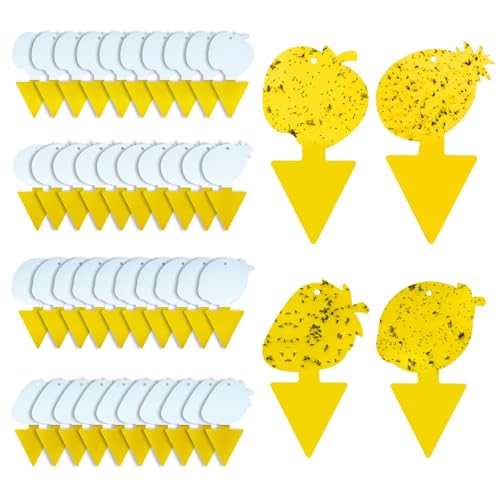
Powerful Insect Control: Captures fruit flies, gnats, whiteflies, aphids, midges, and other small flying pests using bright yellow color and extra-sticky glue