

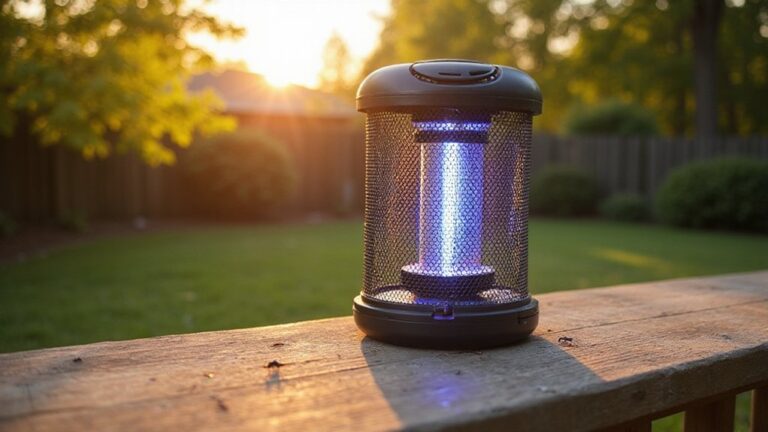
Want to know if a bug zapper actually works to keep mosquitoes away?
You might be surprised to learn that most zappers catch more moths and beetles than the annoying mosquitoes you’re after.
That UV light doesn’t target them because mosquitoes hunt you using CO₂ and body heat instead.
Keep reading to see what really works to keep those pests at bay.
Why Do Bug Zappers Kill So Few Mosquitoes?
Bug zappers rarely kill many mosquitoes because these insects are not attracted to ultraviolet light. Instead, mosquitoes primarily track your carbon dioxide, body heat, and scent to locate hosts. Since zappers emit light that appeals mainly to moths and beetles, they do little to reduce mosquito populations or bites. Using attractants like traps that release CO₂ or mimic body heat is more effective at drawing in mosquitoes. Without these targeted cues, zappers mostly kill harmless bugs and do not significantly impact the mosquito population or biting risk. Studies suggest that less than 1 percent of insects killed by zappers are mosquitoes, making them an inefficient tool for mosquito control. For more targeted carpenter bee control, however, top bee traps focus on specific species instead.

DISCREET DESIGN: These fly and gnat traps feature a sleek black finish and decorative basket that effortlessly blends in with any décor, and the whisper-quiet fan means you can use it anywhere

BACKYARD MOSQUITO PROTECTION: Use the mosquito killer outdoors on the ground in a level shaded location near bushes, trees, or other secluded areas of your yard for lasting defense that keeps working and reduces the amount of mosquitoes over time

MOSQUITO BACKYARD CONTROL: Effectively attract and trap mosquitoes, flies, and more with this indoor bug trap that utilizes a mosquito lamp; it disrupts mosquito breeding cycles
What Actually Ends Up Inside a Bug Zapper?
Bug zappers don’t just collect mosquitoes; they gather a messy mixture of insect debris from moths, beetles, flies, and other insects. When insects are electrocuted, their bodies burn into carbonized fragments, wings, and legs, which then accumulate in the collection tray. The electrical zap creates dust-like powder and ash that coats the internal surfaces of the device. Over time, a sticky, moisture-rich residue from insect oils and proteins builds up, forming a greasy grime on the grid. Electrocution can also aerosolize bacteria-laden particles, potentially spreading contamination nearby. The tray ends up holding a foul cocktail of dead insects, dust, and organic residue, which can hinder the device’s performance, generate odors, and make cleaning more difficult. For those building an outdoor enclosure, welded wire mesh is a popular choice to keep pests out while allowing airflow. A bee suit offers no proven protection from wasps, as tested insights show their stingers can penetrate the mesh. For controlling ground pests like voles, selecting a fine hardware cloth with small openings is essential to prevent them from squeezing through.
Can a Bug Zapper Reduce Bites in Your Backyard?
A bug zapper does not reduce bites in your yard. While those glowing lights attract many insects such as moths, beetles, and midges, they do not lure in mosquitoes—the primary pests that bite. Female mosquitoes locate humans using carbon dioxide and body heat, not light, so the insects killed by zappers are rarely the ones biting you. Studies consistently show that bug zappers do not lower mosquito populations in outdoor spaces. Experts from the American Mosquito Control Association and extension services agree that these devices waste money on killing insects that aren’t likely to bite. For effective bite prevention, removing standing water and applying mosquito repellents remain the best strategies. Interestingly, rat trap baits like peanut butter are far more effective at attracting their target pests than a zapper’s light is at attracting mosquitoes. In contrast, a motion-activated sprinkler effectively deters unwanted animals like cats by targeting movement rather than relying on light. By comparison, bird guards on a dryer vent provide safe, efficient home drying by blocking pests without relying on ineffective light attraction.


Non-greasy, lightweight bug repellent spray dries quickly, not sticky

KILLS FAST: Kills mosquitoes, listed ant types, fleas and other listed insects.
Does Zapping Bugs Harm Your Yard?
Bug zappers do not specifically target mosquitoes but can kill thousands of other insects, which can harm your yard’s ecosystem. When you use them indiscriminately, you reduce insect diversity and disrupt the ecological balance. Studies indicate that over 99% of bugs killed by zappers are harmless or beneficial, including moths, beetles, and midges. Losing these insects can negatively impact pollination and natural pest control, leading to fewer flowers and more pests. Additionally, the fragments of insect bodies near zappers create safety concerns, especially around patios where organic debris can accumulate. Households seeking to protect their water features might consider pond netting options as a targeted alternative. The overall effect is a decline in local wildlife, such as birds and bats, which rely on insects for food, leaving your yard less vibrant and resilient.
Better Mosquito Control Methods That Replace Bug Zappers
Bug zappers do more harm than good, so replacing them with eco-friendly methods is a smart move. Start by removing standing water weekly from buckets, birdbaths, and gutters to eliminate mosquito breeding sites. Installing tight-fitting screens on windows and doors creates physical barriers that keep mosquitoes out naturally. Using air conditioning also helps maintain a cooler environment, discouraging mosquito activity indoors. For personal protection, apply EPA-registered repellents and wear clothing treated with permethrin. When you can’t drain water, applying larvicides prevents mosquito larvae from developing into adults. These targeted strategies are more effective and environmentally friendly than bug zappers. Strengthen your efforts by joining local community programs that focus on habitat removal and mosquito control, thereby enhancing overall effectiveness. Integrated mosquito management offers a sustainable way to protect your yard without harming beneficial insects.

REPELS MOSQUITOES: Repels mosquitoes, including those that may transmit the Zika, West Nile, Dengue and Chikungunya viruses.
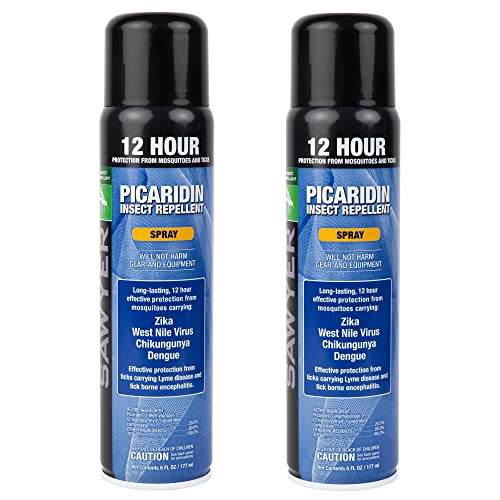
Non-greasy, fragrance free, odorless; dries quickly and won't damage plastics or synthetic coatings — safe for use on clothing, backpacks, watches, sunglasses, fishing line, firearm finishes, and more

Non-greasy, fragrance free, odorless; dries quickly and won't damage plastics or synthetic coatings — safe for use on clothing, backpacks, watches, sunglasses, fishing line, firearm finishes, and more