


Struggling with squirrels tearing up your bird feeders? A squirrel baffle can be a simple but effective solution.
It’s a barrier that sits around or above your feeder to stop those crafty critters from climbing or jumping onto your seed.
When placed properly, it can cut down squirrel raids by up to 95%.
Keep reading to find out exactly where and how to set it up.
Stop Wasting Birdseed: How a Squirrel Baffle Saves You Money
A squirrel baffle can save you roughly $15 to $20 per week on premium seed by preventing squirrels from stealing a significant portion of your feed. Since squirrels can quickly consume or spoil large amounts of seed, a well-placed baffle acts as a barrier, stopping their access before the seed is lost. Investing around $30 in a durable metal baffle can last up to ten years, making it a cost-effective solution. Over time, the savings from reduced seed wastage far outweigh the initial purchase, especially in areas with frequent squirrel activity. For homeowners also dealing with termites, a bug bomb for termites can provide a similar cost-saving barrier by eliminating pests that damage property. Choosing a metal chicken wire baffle provides similar durability and flexibility for customizing barrier sizes. This simple addition helps keep more seed in your feeder for the birds you want to attract, reducing how often you need to refill while safeguarding your budget. For water features like ponds, similar barriers can use pond netting options to protect fish and plants.

Squirrel-proof: The 19-inch diameter widened baffle is wider and larger. With the addition of the spring, the elasticity of the squirrel baffle is increased, effectively preventing squirrels and raccoons.

SQUIRREL BAFFLE: All six spring-loaded feeding perches collapse under the weight of a squirrel
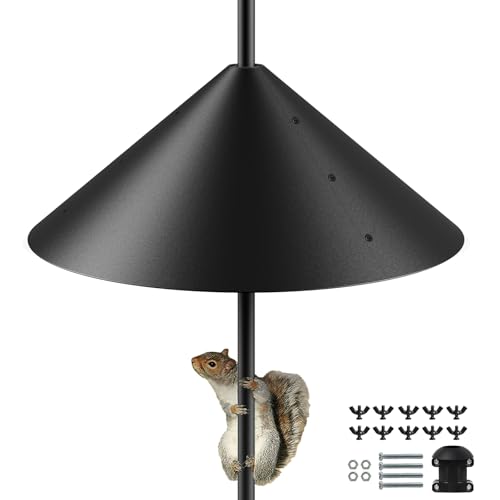
Chew-Proof Design with Metal: This metal slinky squirrel baffle made from sturdy metal materials designed to withstand outdoor conditions and squirrel chewing, ensuring long-lasting protection.
How a Squirrel Baffle Blocks Climbers and Jumpers
A squirrel baffle blocks climbers and jumpers by creating obstacles that prevent squirrels from reaching your feeder through either method. Pole-mounted baffles are typically shaped like domes or cylinders and should be placed 4 to 5 feet high. This placement makes it difficult for squirrels to grasp the slick surface and climb over. To stop jumpers, position the feeder system 8 to 10 feet away from trees or fences, removing any launch points. The baffle itself should sit 18 to 24 inches below the feeder to prevent sideways climbing past it. Proper height and clearance are critical; if the baffle isn’t correctly positioned, even the best design will fail. By addressing both climbing and jumping approaches, you create a comprehensive barrier against persistent squirrel raiders. For a similar approach in pest control, consider top bee traps for carpenter bees. Wearing protective gear when installing or adjusting the baffle is essential to avoid bites or stings from disturbed wildlife.
Which Squirrel Baffle Type Matches Your Feeder Setup?
The best squirrel baffle type depends on your feeder’s mounting method. For feeders mounted on a pole or shepherd’s hook, a pole-mounted cone baffle is ideal. It creates a wide, umbrella-shaped barrier below the feeder that squirrels can’t climb over. This setup is simple and effective for straightforward backyard feeders. If you use a heavier-duty pole system or a multi-feeder stand, opt for a cylinder stovepipe baffle. Its rigid, sleeve-style design offers a sturdy, reliable barrier that fits larger or more robust setups. For hanging feeders suspended from a branch or hook, a hanging dome baffle mounted above the feeder is effective. It blocks squirrels from jumping overhead to access the food. Dual-purpose baffles are versatile options, allowing you to switch between hanging and pole-mounted setups. When choosing, also consider material options like metal or plastic, and pick a style that complements your yard’s look. For those who also deal with ground-level pests, placing bait directly at the back of the trap can similarly protect your feeder area from nocturnal raiders. For an affordable and straightforward alternative, consider making your own baffle from cheap materials like PVC pipe or a plastic bowl.

Bigger and Wider Design: 19” diameter design makes this squirrel stopper more effective than other sizes. Larger sizes have greater jitter, no matter if rodents fly up or climb up, they will not be able to stand stably on the baffle. Anything smaller than 19 inches cannot step over this baffle easily, which means that the foods in your bird feeder can be specially provided to feathery friends instead of greedy squirrels or raccoons.
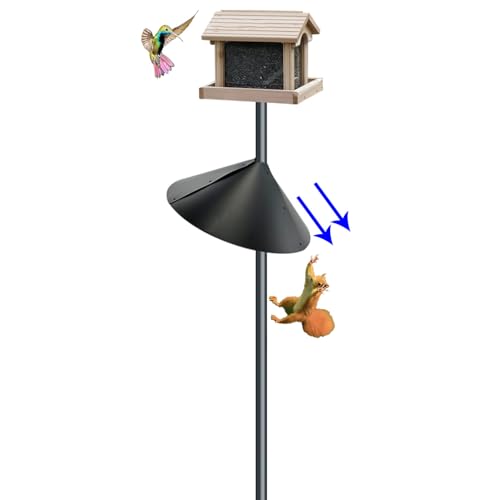
16.5-Inch Extra-Wide Design: Blocks squirrels, raccoons, and other rodents from climbing or jumping onto bird feeders. The broad, angled surface prevents animals from bypassing the baffle, reducing seed waste and keeping birds undisturbed.

18" Wide Squirrel-Proof for Bird Feeders: Protect your outdoor bird feeder from squirrels, raccoons, and other climbing animals. This 18-inch cone-shaped metal squirrel baffle creates a wide, slippery barrier—a wide bevel for bird feeder defense that helps keep bird seed. It works as a squirrel shield and blocker for bird feeders, and as a destructive-proof squirrel cone against persistent climbers.
Where to Place Your Squirrel Baffle for Maximum Effect
Place the bottom edge of your squirrel baffle 4 to 5 feet above the ground. This height prevents squirrels from jumping over it from the ground or nearby obstacles, minimizing the chance they can bypass your setup. Ensure the pole supporting the baffle is tall enough so that the overall height of the pole, combined with the baffle and feeder, maintains this clearance. Position the feeder at least 12 to 18 inches above the baffle to keep squirrels from climbing directly onto the feeding ports. Mount the baffle below the feeder on pole setups, not above, to prevent squirrels from climbing around the sides. Keep the entire assembly at least 7 to 10 feet away from trees, fences, or rooftops to eliminate launching points. Verify that no nearby branches or ledges provide alternative routes to your feeder. Overall, ensure your pole is tall enough to support these clearances without compromising the 4 to 5-foot baffle zone. For best results, choose a top squirrel baffle design that matches your pole diameter and feeder style. For similar pest-proofing needs, consider that hardware cloth for voles offers effective physical barriers against burrowing rodents. A bee suit offers only moderate protection against wasps due to their ability to sting through thinner fabric or find gaps.

Designed for 4x4 Wooden Poles: This squirrel deterrent features a square design that can be securely mounted on 4x4 posts or round posts with a diameter of 3.5 to 4.5 inches. Its precise fit ensures a secure installation, effectively keeping squirrels away from bird feeders and other hanging items.

Application Solution: This buckle is well fit for any 2/3 inch to 1-3/8 inches birdfeeder pole or outside shepherd hook.

PREMIUM-QUALITY Development: High quality Structure provide the long lasting use. MIXXIDEA fold over baffle has been carefully created utilizing top of the line and incredibly tough. Our squirrel monitor is additionally covered with a no-grasp powder. Besides squirrel baffle won't rust, making it extra greasy for squirrels.
3 Squirrel Baffle Installation Errors That Sabotage Success
Mount your baffle at a height of 4 to 5 feet above ground. Pole-mounted baffles lower than 4 feet provide squirrels with a launch point to jump over. Ensuring the correct height makes it more difficult for squirrels to reach the feeder. Additionally, a baffle that lacks a sloped bracket will allow squirrels to grip and climb rather than slip off. For chipmunks, a similarly effective deterrent like a havahart trap captures them directly without requiring careful height calculations. For a similar pest control method, constructing an easy DIY yellow jacket trap can keep stinging insects away from your outdoor spaces. For spiders in an attic, however, using a bug bomb can fumigate the entire space to eliminate them.
Additionally, make sure there is enough clearance from nearby objects. Trees, walls, or fences within jumping range allow squirrels to bypass your baffle entirely. Keep several feet of open space around your feeder to prevent easy access and maximize your birdseed protection.

【19.6Inch Oversize Squirrel Wil Not Easy To Climb】Most of other squirrel baffle on the market will choose steep slope design and give up the widening design, aim to refuse squirrel stand on the baffle. iBorn squirrel baffle design in extra large size, even if those animal climb on the pole, they will difficult to get touch of the edge of baffle. So that easy to fall down, squirrel have no chance to climb on it, and close to the feeder.

★This large squirrel baffle for bird feeder pole is very easy to install, just follow the instructions and it can be installed in 10 minutes.
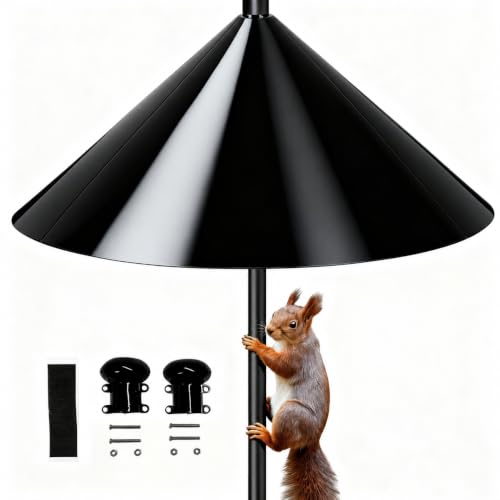
【Squirrel-Proof Guarantee – Applicable to Pole & Hook】Our 19in diameter squirrel baffle is scientifically designed to stop squirrels, raccoons, and rodents! The wide, slippery surface prevents climbing or jumping—ensuring only birds reach your feeders. Choice for "squirrel baffle for bird feeder pole". Works perfectly with hooks, metal poles (0.67in – 1.38in diameter).
Do Squirrel Baffles Really Work (or Are They Just a Gadget)?
A squirrel baffle works effectively because it serves as a physical barrier that prevents squirrels from climbing or jumping onto your feeder. The key is that the smooth plastic or metal surface makes it difficult for squirrels to grip, causing them to slide off. To ensure a baffle functions properly, you need to understand squirrel behavior and position your feeder correctly. Hanging feeders should have a dome above them, while pole-mounted feeders require a cone below. If your feeder is placed within easy jumping distance of nearby branches or other structures, the baffle loses its effectiveness. For proven results, consider top armadillo traps for similar critter control. When you choose the right style, size, and placement, you can reduce about 95 percent of squirrel raids. This makes a squirrel baffle a practical, proven solution rather than just a gadget. For a more permanent barrier, hardware cloth can be used to enclose the feeder area from ground access. For pest control with flying insects, an effective approach is to find the best fly trap for horse flies.
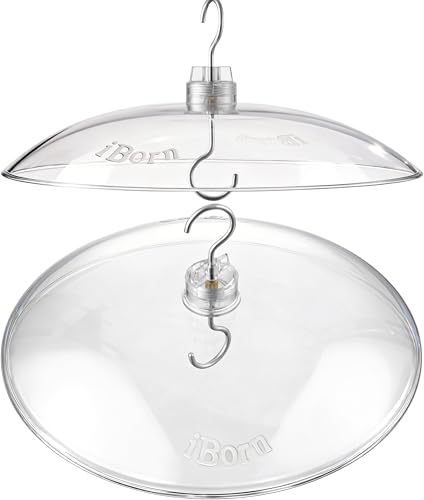
【13" Large Size, Full Protection】The 13-inch bird feeder cover baffle design perfectly fits most bird feeders for outdoors hanging on the market, ensuring all-around protection. It defends against heavy rain or snow, prevents water from soaking seeds, keeps the internal seeds fresh at all times, and reduces waste.

STOP SQUIRRELS FROM STEALING BIRD SEED PROTECT YOUR BIRDS' FOOD SUPPLY: Professional squirrel-proof barrier made from high-quality PP plastic with a smooth surface. Prevents squirrels from jumping over the barrier, providing reliable protection for your birdseed so birds can feed undisturbed.

【19.6" Extra-Large Size, Full Protection】The 19.6-inch oversized bird feeder cover baffle design perfectly fits most bird feeders for outdoors hanging on the market, ensuring all-around protection. It defends against heavy rain, prevents water from soaking seeds, keeps the internal seeds fresh at all times, and reduces waste.
Simple Tests That Keep Your Squirrel Baffle Effective All Year
To ensure your squirrel baffle remains effective throughout the year, perform five simple tests regularly. First, check the clearance from nearby trees and fences because storms can shift these structures, creating new launch points for squirrels. A chicken wire fence nearby can also be reinforced to block squirrels from jumping onto the baffle. Second, inspect the surface for cracks, rust, or sticky residues; clean it thoroughly to maintain its slick, climbing-resistant finish. For instance, using a pole system with a top-quality baffle can prevent squirrels from bypassing the barrier entirely. Third, tighten all hardware monthly to prevent loose brackets, which can become easy climbing routes for squirrels. Fourth, test the baffle after rain or snow, as ice and grime can reduce its grip. Consider adding drainage holes to help water escape and keep the surface dry and slick. Additionally, follow the manufacturer’s instructions for proper disassembly to avoid damaging the baffle during cleaning or adjustments. Finally, observe squirrel behavior around the feeder; if they still manage to reach it, adjust the baffle placement or switch to more durable materials like powder-coated steel. Regular checks like these will help prevent gradual failures and keep your squirrel baffle working effectively all year.