


If you’re trying to catch a raccoon, choosing the right bait makes all the difference.
Some options are more tempting than others, depending on the raccoon’s preferences and your trapping situation.
Whether you want quick results or just want to learn the best tricks, this guide has all the proven bait picks and tips to help you succeed.
Marshmallows: The Top Raccoon Trap Bait
Marshmallows are one of the best baits for raccoon traps because their sweetness, bright white color, and soft texture make them highly attractive and easy to handle. Their simple sugar content aligns perfectly with raccoon behavior, as these omnivores naturally seek high-energy foods. Marshmallows are versatile enough to adapt to various habitats, from suburban backyards to wooded edges, where raccoons forage frequently. Their small size allows you to position the bait precisely around the trigger, ensuring the raccoon steps fully inside the trap for successful capture. For optimal results, place one marshmallow deep inside the trap and scatter a few pieces leading up to it to entice the raccoon further. Always wear gloves when handling bait to prevent transferring human scents, which can discourage cautious raccoons. Combining marshmallows with dry cat food can create a stronger attractant without complicated setups. Additionally, hot dogs are used inside traps as effective bait to attract raccoons. To prevent raccoons from accessing bait without being trapped, consider using a raccoon baffle on nearby bird feeders. For securing bait containers in garden traps, chicken wire can be cut and shaped to protect the bait from theft while allowing scent to escape. For durability, use galvanized steel chicken wire, which resists rust and weathering in outdoor traps.

Critter Getter: Lure in the local 4 legged predators to your trap or camera with this irresitable mix.

Signature Formula: Crafted by North American Trapper, Coonbuster is a classic scent blend developed to deliver a warm, musky, and sweet aroma inspired by traditional field formulations.

Raccoon bait dp traps live traps
Fish Baits: The Best Raccoon Trap Bait for Strong Scent
Fish baits provide the strongest scent footprint for raccoon trapping when you need a lure that signals from a distance. Canned tuna in oil or plain sardines release an irresistible odor trail thanks to their fatty oils that disperse scent widely. To customize your bait, mix fish paste with smoked salmon oil for an even deeper and longer-lasting attraction. For trap safety, secure the bait behind the trip pan so the raccoon fully triggers the trap. Use paste baits in dog-proof traps to prevent bait theft and keep it visible but out of reach. During warm weather, rotate bait frequently to prevent spoilage, and eliminate other food sources nearby to ensure your fish scent remains the strongest signal in the area. The same principle of preventing access applies to installing a chicken wire fence, where proper spacing and fixings ensure the barrier remains secure against pests. Unlike raccoon traps, carpenter bee traps rely on visual mimicry rather than scent to lure their target. A squirrel baffle on a bird table uses a physical barrier design to block climbing access, similar to how a trap prevents raccoon bait theft.

INCREDIBLE, RICH FLAVOR: Genova Premium Yellowfin Tuna in Olive Oil features high-quality cuts of the fish, wild caught, hand-filleted, and then packed in just the right amount of olive oil for a mouthwatering flavor and perfect texture.
sport_type: Fishing

CHUB MACKEREL: Similar in size to a large sardine, Chub Mackerel is a whole fish with skin and bones included. Each 15oz can contains two to five whole fish (fish size varies).
Peanut Butter and Other Sweet Raccoon Trap Baits Worth Trying
Peanut butter is the most effective bait because its strong, nutty aroma attracts raccoons and its sticky texture keeps it securely on the trigger. You can use creamy peanut butter by itself or combine it with marshmallows, honey, or grape drink mix to create an irresistible scent. These combinations encourage the raccoon to linger and paw at the trap, increasing your chances of success. Smearing peanut butter directly onto the trigger prevents the critter from grabbing and running with the bait. To make it last longer, mix in oatmeal or dry kibble to form a paste that adheres better. Standalone sweet corn also works well and requires no extra ingredients. The key is using sticky, sweet baits that are placed smartly so raccoons find them hard to resist. Raccoons are often trapped to prevent damage to turkey populations, so using strong attractants like peanut butter helps reduce their interference with nests and eggs. However, be cautious when storing homemade baits near other household chemicals, as wasp spray is flammable and should never be stored alongside sugary attractants. For securing bait in a trap, you can attach the trigger using chicken wire to prevent raccoons from easily stealing the prize. Using a simple DIY vole trap design can also be adapted with peanut butter to target raccoons effectively in a pinch.

Alluring Peanut Butter Scent & Easy to Use: Simple to set up, and pre-baited with an irresistible peanut butter scent, our glue trap does not require any additional bait. The mouse traps require minimal maintenance. Just place them along the walls in your garage or basement or under the refrigerator and capture your home invaders. Simply throw it away when done.

HIGHLY EFFECTIVE FORMULA: Specially formulated to attract and eliminate mice, this mouse trap bait is designed to outperform ordinary peanut butter for consistent results.

Match Mice’s Food Preferences: Select a gel scent based on what mice already eat in your home—cheese, peanut butter, cocoa, or meat. It draws mice toward snap traps, glue traps, live traps, electronic traps, or bait stations (traps not included)
How to Place Raccoon Trap Bait to Prevent Theft
To prevent bait theft, place the bait deep in the back corner of the trap, behind the trigger pan. Positioning it this way forces the raccoon to step onto the trigger to reach the bait, ensuring full entry into the trap. To hide the bait further, hang it from the top of the trap using wire or a zip tie, so the raccoon must reach inward and upward, shifting its weight onto the trigger zone. Using a pond netting cover over the trap can also help obscure the bait from raccoons looking in from above. Create a trail by scattering a small amount of bait at the entrance and leading inward to guide the raccoon into the trap. Keep the heaviest bait load at the rear for added security. To block outside access, set the trap against a wall or a tree. Finally, secure the trap with stakes or a brick to prevent raccoons from rolling or dragging it away when they try to steal the bait. A stable, anchored trap is essential to deter bait theft effectively. Additionally, inserting a stick or rod 5-6 inches above the trap’s bottom creates a barrier that forces the raccoon to step on the pan when going over it, further preventing bait theft without the need to bury bait. Unlike electronic devices, these mechanical placement methods pose no impact on dogs and are a safer alternative to ultrasonic repellers.

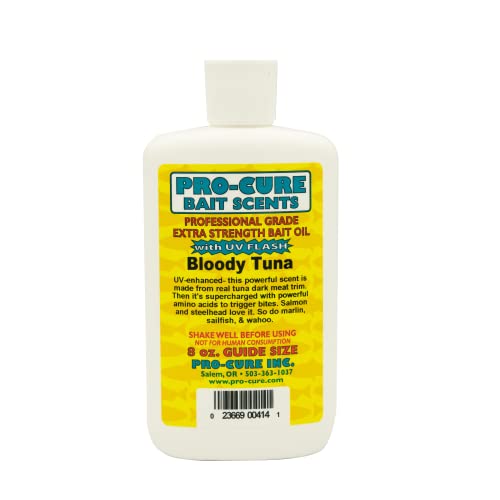
Bait with a sweet flavor that raccoon crave. 8 oz Designed for use in dog proof traps, cage traps, dirt hole sets A great go to bait if you want to catch a big pile of coon The great sweet fish smell brings them to your trap The great fish taste keeps them there until they get caught

Bait with a sweet flavor that raccoon crave. 4 oz Designed for use in dog proof traps, cage traps, dirt hole sets A great go to bait if you want to catch a big pile of coon The great sweet fish smell brings them to your trap The great fish taste keeps them there until they get caught

Avoiding Non-Target Animals: Baits That Attract Skunks and Cats?
To avoid catching non-target animals like cats and skunks, focus on using bait that’s attractive primarily to raccoons. Skunks and cats are most drawn to fatty and sweet foods, similar to raccoons, but you want to minimize their interest. Opt for sweet baits such as marshmallows, which attract raccoons and skunks while deterring many cats. A small dab of peanut butter can help hold a skunk’s attention without enticing neighborhood cats. Avoid using sardines, tuna, or wet cat food altogether, as these fishy scents greatly increase your chances of trapping non-target animals. Safer alternatives include molasses, honey, and strawberry jam. When trapping in areas with many cats, choosing sweet baits as your first option improves your chances of capturing raccoons and skunks without catching cats. If you are managing standing water nearby, remember that mosquito dunks offer a safe, non-toxic way to control mosquito larvae without harming the animals you aim to trap. For a proven solution to adult mosquitoes near your trap site, consider an electric bug zapper that specifically targets these pests. For raccoon exclusion around gardens or sheds, installing hardware cloth with a mesh size of 1/2 inch provides a durable barrier that prevents both raccoons and rats from squeezing through.
Tips for a More Successful Trap Setup
To set up a trap effectively, ensure it is placed on a level, stable surface. This prevents the door and trigger from malfunctioning and stops the raccoon from tipping the cage over. To secure larger models, which can be 32 to 42 inches long, anchor the trap with a brick or stake to handle the animal’s strength. Position the trap where you notice signs like tracks, droppings, or damage, as this increases your chances of success by placing it on their usual route. Place bait deep inside the trap so the raccoon must fully enter to reach it. Using appropriate bait based on the target animal, such as sweets, meat, or fish for raccoons, is essential to attract them into the treadle trigger zone. Unlike insect sprays that target specific pest species like ants or roaches, raccoon baits must appeal to a larger animal’s varied diet. This approach differs from the focused use of sound frequencies found in ultrasonic repellent devices that are designed for small rodents. Conceal the bait from overhead view and incorporate natural cover such as logs or brush around the set to make it seem like a safe corridor. Choosing a trap made from heavy-duty hardware cloth can prevent the raccoon from tearing through the cage and escaping. This encourages raccoons to venture further into the trap naturally.