


A bug bomb might seem like a quick fix for wasps, but it’s rarely effective. The aerosol fog simply can’t reach deep into their nests where the queen and colony are hidden.
This means you usually end up only killing a few exposed wasps, while the core colony stays intact.
In most cases, bombing just scatters the colony into your walls instead of solving the problem. For real control, you’ll need a more targeted approach—something that gets directly to the nest.
Keep reading to learn what actually works.
What Is a Bug Bomb, Really?
A bug bomb is a total-release fogger that disperses insecticide into the air in a single burst. You use it by activating the canister, which releases an aerosol mist that spreads throughout the room. This mist settles onto all exposed surfaces, forming a residue that kills pests like cockroaches, fleas, or ants. It’s designed for large-scale infestations rather than spot treatments; you don’t target specific areas but treat the entire space at once. Because it contains powerful chemicals such as pyrethrins or pyrethroids, safety is crucial during use. You should stay out of the room while the fogger is active and follow the directions on the label carefully. Proper ventilation after treatment is necessary to clear residual fumes, and reentry times are specified to prevent overexposure. For outdoor pests like carpenter bees, traps that use a wooden entrance hole are a more targeted solution since they attract the bees without spraying chemicals into the air. This method offers a broad approach to pest control but isn’t precise, so use it only when an infestation warrants widespread treatment. Unlike ultrasonic mosquito repellers, which rely on sound waves and often produce ineffective results according to tested research, a bug bomb physically coats surfaces with insecticide for direct contact killing. For targeting smaller pests like fruit flies, a more focused approach using top fruit fly traps can be far more effective than a blanket fogger treatment.
Will a Bug Bomb Kill Wasps on Contact?
A bug bomb is not a reliable method for killing wasps on contact. While it can sometimes kill exposed foragers if the aerosol directly coats their bodies, this is not guaranteed. Pyrethrins in the fog may cause a quick knockdown if they hit the wasp directly, but they are less effective on hidden or sheltered insects inside nests or wall voids. Unlike a bee suit, which provides tested results against stings from both bees and wasps, a bug bomb offers no physical barrier and its chemical cloud often misses hidden targets. Since bug bombs are designed to saturate indoor spaces with fog, the mist often drifts past or around wasps tucked away out of sight, missing their targets. Residual chemical deposits might kill wasps later, but this is not the same as immediate contact kill. For better results, using a foam spray from a safe distance ensures you actually hit the wasps directly, increasing your chances of eliminating them effectively. To protect your property from future nesting, you can also install bird spikes for roof edges to deter wasps and other pests from settling in those areas. Relying solely on a bug bomb leaves many wasps alive and can allow nests to persist. In contrast, wasp spray is specifically formulated to deliver a targeted stream that reaches hidden nests.

Two 14 oz cans of Raid Wasp & Hornet Killer Spray kill flying, stinging bugs on contact, including paper wasps, yellow jackets, mud daubers, bald-face hornets, and more

KILLS BY CONTACT. Proven to work and easy to use, this aerosol spray is designed for quick kill and fast knockdown of wasps. With a 15 feet long distance jet spray, it kills wasps, hornets, and yellow jackets. Also treats open-faced hives.

Raid Max Foaming Wasp & Hornet Killers fast coverage foam kills the entire wasp nest
Why Bug Bombs Fail to Eliminate a Wasp Nest
Bug bombs fail to eliminate a wasp nest because they release fog that remains in the open air, which cannot penetrate the dense materials or hidden spaces where nests are typically built. The aerosol fog is designed to settle quickly and cannot reach the deep, protected chambers of the nest where the queen resides. The nest’s architecture acts like a shield, preventing the chemical from saturating the inner chambers effectively. This means you might kill some exposed workers, but the core colony—the queen and the reproduction area—remains untouched. Additionally, some wasp species, such as mud daubers, have natural chemical resistance or more resilient structures, making bug bombs even less effective. As a result, many survivors will rebuild the colony, rendering the treatment unsuccessful. The only reliable way to eliminate a wasp nest is to perform direct treatment that targets the interior of the nest with appropriate insecticides. For comparison, protecting your water feature from debris often requires selecting the best netting that does not rely on such indirect methods.
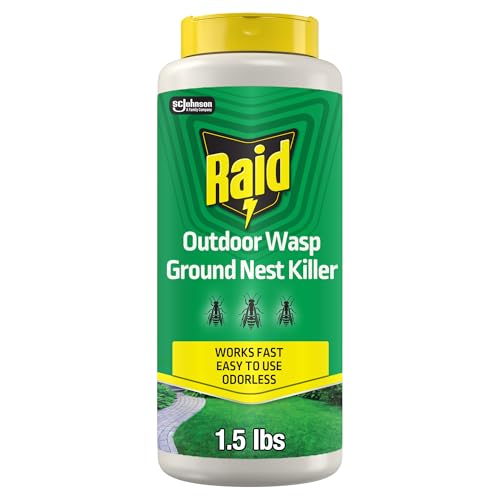
Ready-to-use, wasp nest killer, uses a waterproof dust that kills insects for up to 8 months

FAST KNOCKDOWN: Kills wasps, hornets, yellow jackets and mud daubers

FOAMING AEROSOL: Foam expands to where insects live – extension tube lets you spray into hard-to-reach areas
What Happens to Wasps That Survive a Bug Bomb?
Survivors of a bug bomb can still pose a problem. Some wasps detect the irritant and disperse quickly, retreating into wall voids or nearby areas to escape the insecticide. Foraging wasps returning later may come into contact with leftover residue on surfaces, which can lead to delayed deaths over time. Installing physical bird spikes around entry points provides a more targeted and lasting barrier for future pest control. Unlike a broad fog, commercial-grade foggers designed for outdoor yard use often use targeted, heavy-duty insecticides that are more effective on exposed nests.
If the queen survives the treatment, she and the remaining workers might regroup once the fog clears. This allows them to rebuild in the same location or nearby, often leading to nest reconstruction. Since a bug bomb usually doesn’t fully eliminate the colony—especially if the queen remains unharmed—the colony can persist, and activity may resume after some time. Without complete queen exposure, the underlying problem isn’t fully solved. Using pheromone-based repellents in and around potential nesting sites can help deter re-infestation after the initial treatment fails.
How to Tell If a Bug Bomb Actually Fixed Your Wasp Problem
Inspecting for lingering signs of wasp activity is key to confirming a bug bomb’s success. Look for fresh papery layers or repeated rebuilding at the same site, which indicates a surviving nest. Dead wasps on floors can be a sign that the fogger worked, but they don’t guarantee full elimination because some insects may be hidden or killed but not removed. For persistent outdoor infestations, physical bird spikes may offer a more reliable long-term solution than chemical foggers. Using a castor oil repellent can deter voles without harmful chemicals, but it will not affect wasps. Importantly, using such chemical foggers can also harm beneficial insects, as they indiscriminately kill bees and other pollinators in the area.
Observe activity levels at dawn or dusk. If wasps are still active during these times, the problem isn’t fully resolved. Persistent movement or buzzing suggests the infestation continues. Without a period of lasting silence, you should consider the possibility that the bug bomb didn’t completely fix the wasp problem.
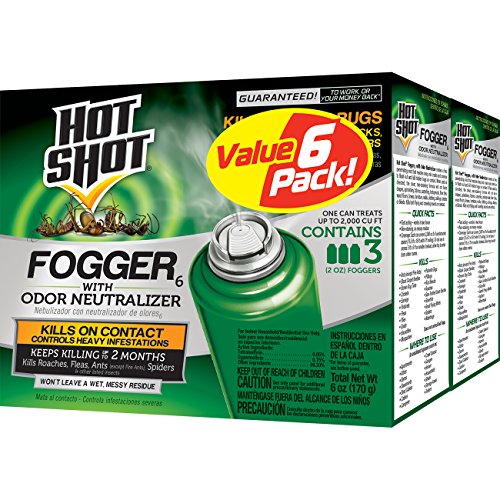
KILLS ON CONTACT: Hot Shot Fogger With Odor Neutralizer kills on contact and controls heavy infestations – and keeps killing for up to 2 months.
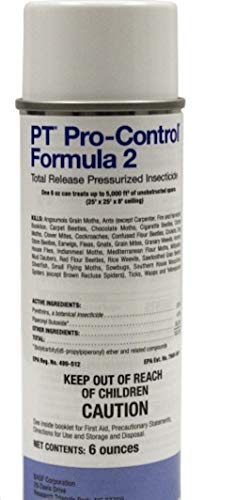
Versatile Application: Suitable for use in commercial food handling areas, restaurants, and animal housing, making it an ideal choice for diverse environments.

KILLS ON CONTACT: Hot Shot No-Mess! Fogger With Odor Neutralizer kills on contact – and keeps killing for up to 6 weeks.
Should You Use a Bug Bomb for Wasps?
Using a bug bomb for wasps is not an effective solution. It only targets exposed wasps in the immediate area, missing the hidden nests. The aerosol quickly dissipates and doesn’t penetrate into walls, attics, or voids where nests are often concealed. This means the colony remains intact and can rebuild quickly. For safe removal, it is better to follow effective ways to spray a nest directly rather than relying on a fogger.
Bug bombs are weak against hidden nests and ineffective outdoors because the fog disperses too fast to reach the target. For better results, apply direct contact sprays or soap-based treatments directly to the visible nests. Focusing on the nest location ensures you target the problem directly rather than flooding a room with pesticide that does little good. Overall, relying on a bug bomb rarely addresses the core issue of wasp infestations.

BLANKETING FOAM FORMULA: Kills listed pests by contact, including wasps, hornets & yellowjackets

FAST KNOCKDOWN: Kills wasps, hornets & yellow jackets.

BLANKETING FOAM FORMULA: Kills listed pests by contact, including wasps, hornets & yellowjackets
What Safety Risks Come With Bug Bombing Wasps?
Using a bug bomb for wasps comes with significant safety risks. The chemical toxicity from the mist can cause immediate health issues like coughing, dizziness, and nausea if you breathe it in. The spray also poses a risk of serious eye damage upon contact. Residual hazards are another major concern; pesticide residues settle on every surface in your home, including furniture, floors, and walls. Touching these residues can lead to skin irritation or worse, especially for children and pets. Reentering your home too soon after gassing, even after ventilation, increases your exposure to harmful chemicals. Fire hazards are also a real threat because the propellants used in foggers are flammable. If you use too many foggers or fail to leave your home during the recommended wait time, your risk of accidents and health issues rises sharply. These residue removal tips emphasize the need to thoroughly clean all surfaces afterward to minimize prolonged contact with harmful chemicals. Hundreds of cases of illness have been linked to bug bomb use, making it a dangerous gamble that you should avoid.
Why Direct Nest Treatment Beats a Bug Bomb Every Time
Direct nest treatment is more effective than a bug bomb because it targets the colony directly at its core. Instead of just filling the air, this method saturates the comb or entrance, wetting the entire structure to maximize insecticide contact. This ensures the queen, brood, and hidden nest sections are reached, leading to full colony destruction. A bug bomb only disperses chemicals into the surrounding air, killing some workers but missing the vital nest core and developing stages. Applying the spray during early morning or late evening, when more wasps are inside, allows for better contact and increased efficacy. This targeted approach not only knocks down adult insects but also coats the nest with a residual layer that kills returning workers. By focusing on the nest itself, you avoid wasting product on empty space and achieve complete colony elimination at its source. Unlike a bug bomb, the focused spray does not rely on simply filling the air, which is an ineffective tactic akin to how a Venus flytrap cannot reliably catch fruit flies by only waiting for them to drift into its path. For a similar principle of targeted elimination, consider how Top Gopher Trap Reviews for effective pest control emphasize directly addressing the burrow rather than relying on passive methods.

Extended Reach for Safety: With a remarkable 15 ft. spray distance, PT Wasp-Freeze provides applicator safety by allowing you to target nests from a safe distance.

KILLS ON CONTACT: Hot Shot Wasp & Hornet Killer controls wasps, hornets, yellow jackets, scorpions, mud daubers and tent caterpillars.
When a Bug Bomb Is Still Not Enough (And What to Do Next)
Switch to a method that targets the nest entrance directly, applying at dusk when wasps are less active. Use a wasp-specific pesticide formulated for entrance treatment, and spray directly into the opening to disrupt the colony at its point of entry. Remove outdoor attractants such as trash and fallen fruit that draw wasps near your home. If the nest is located in a difficult-to-reach spot like a structural void or high eaves, it’s best to contact a pest control professional. Once the nest is eliminated, seal any openings or cracks around the area with caulk to prevent future infestations. Keep in mind that persistent bombing can increase safety risks without effectively resolving the problem, so targeted treatment and professional help are often safer and more successful.