


Many people wonder if ultrasonic mosquito repellers really keep bugs away. The short answer is that they generally don’t work as advertised. Despite being popular, controlled studies show little to no difference in mosquito bites when the devices are on or off.
Keep reading to find out why these gadgets fall short and what methods are actually effective.
Do Ultrasonic Mosquito Repellers Actually Work?
Ultrasonic mosquito repellers do not work as advertised. Controlled studies show that mosquito landing rates remain nearly the same whether the device is on or off. This applies across multiple mosquito species, including Aedes and Anopheles. Systematic reviews consistently find no significant reduction in bites or mosquito host-seeking behavior during device use. In fact, some tests indicate mosquito activity might even increase slightly when the repeller is operating. The reason is simple: sound frequencies used by these devices do not reliably disturb a mosquito’s ability or drive to find humans. Unlike proven deterrents that target nesting sites or breeding grounds, these gadgets offer no comparable habitat modification to address the root of the problem. Commercially available devices also fall short of their claims; field tests show they do not provide meaningful repellency. If you want to control other small pests, a simple DIY gnat trap using cheap materials offers a proven alternative. For effective pest control, you need proven methods rather than gadgets that merely produce noise with no real impact. For example, using a bee trap for carpenter bees is a targeted approach that physically captures the specific pest rather than relying on ineffective sound waves.
What Exactly Is an Ultrasonic Mosquito Repeller?
An ultrasonic mosquito repeller is an electronic device that emits sound waves above 20 kHz, which is outside the range of human hearing. These high-frequency sounds are designed to deter mosquitoes without the use of chemicals, sprays, or traps. The devices are usually small, portable, and powered by batteries or plugging into a wall outlet, making installation straightforward—simply place or clip them in your desired area. They are marketed as a non-toxic, eco-friendly alternative to traditional mosquito control methods, claiming to repel insects by mimicking sounds of male mosquitoes or predators. It’s important to note that these devices only aim to repel mosquitoes—they do not kill or trap them, unlike a DIY gnat trap that uses apple cider vinegar to capture pests. Coverage areas for ultrasonic repellers typically range from around 10 to 60 square meters, so your space size will influence their effectiveness. Since the science behind ultrasonic repelling is debated, results may vary, and larger or heavily infested areas might require supplementing with other mosquito control strategies. However, for a more tangible pest solution, you could try a simple bird feeder project using cheap materials to keep squirrels away from your yard. For severe infestations, tested results from similar repellent studies show that alternatives like targeted sprays often provide more reliable control than ultrasonic devices.
What Ultrasonic Mosquito Repeller Studies Really Show
Numerous studies show that ultrasonic mosquito repellers are ineffective. Laboratory and field tests involving species like *Anopheles* and *Aedes* mosquitoes consistently find no significant reduction in bites. For example, controlled experiments recorded thousands of mosquito landings where active devices made no difference. Systematic reviews, including those by Cochrane, conclude these devices do not provide reliable protection against mosquito bites or malaria. Changing the device’s frequency from 3 kHz to 100 kHz does not improve results; effects remain negligible. In some cases, mosquito activity actually increases around these devices. For comparison, a simple rabbit trap built from cheap materials offers tangible, physical control that these electronic devices lack. The overwhelming evidence indicates that ultrasonic repellers fail to deliver the bite prevention they claim to offer. For comparison, top bug zappers have been shown to effectively reduce mosquito populations in controlled outdoor settings. Unlike these devices, using a live trap baited with sweet or oily foods provides a proven, physical method for capturing nuisance raccoons.
Why Ultrasonic Mosquito Repellers Fail in the Field
Ultrasonic mosquito repellers typically fail in real-world conditions because their signals are too weak and easily disrupted. Unlike controlled laboratory settings, your backyard has wind, vegetation, and scents from humans and other animals that drown out the ultrasonic pulses. These devices emit sound waves that fade quickly and get blocked by furniture or walls, creating only a tiny protected zone—far smaller than the area where you actually encounter mosquitoes. As a result, they offer little to no protection where you need it most. Using a chicken wire attachment technique with proper spacing and fixings ensures a durable barrier against pests. For more potent chemical solutions, fogger insecticides often prove far more effective in clearing out spiders and other pests from larger areas. To effectively prevent bites, focus on eliminating mosquito habitats like standing water and use proven personal repellents such as DEET or picaridin. Mosquitoes are primarily attracted to your carbon dioxide and body heat, not the ultrasonic sounds from plug-in gadgets. Field studies consistently show these devices do not reduce bites, so investing in them is unlikely to pay off. For a more reliable approach to protecting your water feature, using pond netting options can physically block mosquitoes from accessing the water.

REPELS MOSQUITOES: Repels mosquitoes, including those that may transmit the Zika, West Nile, Dengue and Chikungunya viruses.

One 4 oz can of Coleman 100 Max 100% DEET Insect Repellent Spray

Exclusive low-odor formula, with 100% DEET insect repellent, offers excellent levels of repellency in areas of extreme bug density
Ultrasonic Mosquito Repeller Claims vs. Scientific Evidence
Ultrasonic mosquito repellers have been widely marketed with claims that high-frequency sound waves will keep mosquitoes away. However, scientific studies consistently show they do not work. Controlled trials, including a 2000 blinded test, found no significant difference between ultrasonic devices and placebos in reducing mosquito landings or bites. More recent analyses, such as one conducted around 2025–2026, confirm that these repellers have no effect on key mosquito species like *Aedes aegypti*, *Anopheles*, or *Culex*. In some cases, mosquito activity during ultrasonic device use has even slightly increased.
Most supporting testimonials are anecdotal and cannot be reliably reproduced. Despite aggressive marketing, independent research shows that ultrasonic repellers do not alter mosquito behavior. The science makes it clear that mosquitoes are driven primarily by cues such as carbon dioxide and body heat, not high-frequency sound.
Proven Mosquito Control Methods That Work Better Than Ultrasonic Devices
Proven mosquito control methods effectively interrupt the mosquito life cycle or block their access to you, making them more reliable than ultrasonic devices. Removing standing water weekly—such as in birdbaths, buckets, or plant containers—prevents mosquito eggs and larvae from developing right at the source. For larger water bodies that can’t be emptied, applying larvicides like Bti is an effective way to kill mosquito larvae before they mature into flying adults. Just as chicken wire creates a physical garden barrier, installing window screens blocks mosquitoes from entering your home. Similarly, fine hardware cloth can be used to cover vents or other openings, providing a durable physical barrier that keeps mosquitoes out.
Personal protection methods also make a significant difference. Applying EPA-registered repellents on your skin provides reliable defense against bites. Wearing long sleeves and pants adds physical coverage that mosquitoes find difficult to penetrate. Permethrin-treated clothing enhances this barrier by repelling or killing mosquitoes that come into contact with the fabric. Installing or repairing window screens and keeping doors closed creates physical barriers to prevent mosquitoes from entering your home, unlike ultrasonic devices which lack consistent scientific backing.
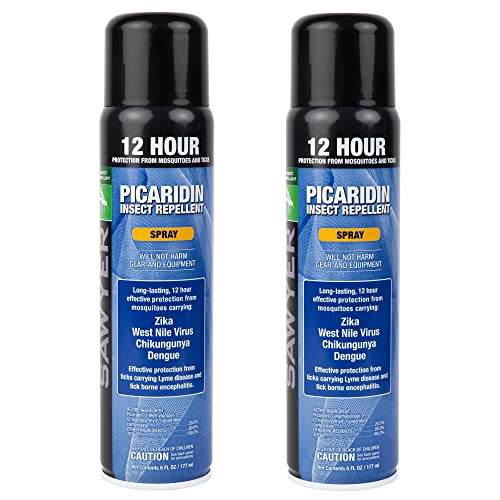
Non-greasy, fragrance free, odorless; dries quickly and won't damage plastics or synthetic coatings — safe for use on clothing, backpacks, watches, sunglasses, fishing line, firearm finishes, and more

Non-greasy, fragrance free, odorless; dries quickly and won't damage plastics or synthetic coatings — safe for use on clothing, backpacks, watches, sunglasses, fishing line, firearm finishes, and more

Packaging May Vary - New Look, Same Great Product. You may receive either packaging during the transition
How to Spot a Fake Ultrasonic Mosquito Repeller
Fake ultrasonic mosquito repellers often make exaggerated claims, such as promising to “repel all mosquitoes” or “protect from mosquito-borne illnesses.” The FTC has taken action against such products for false or unsubstantiated claims, so be cautious of any guarantee of complete protection or claims that they are superior to traditional repellents. Additionally, watch out for misleading packaging that avoids providing performance data and instead highlights vague “advanced sonic technology” without any testing proof. Fake devices frequently feature generic or overly positive reviews and claim to handle all types of bugs with a single device, which is unlikely. For a more reliable physical barrier, consider reviewing top bug netting options that offer proven protection instead of relying on sound. Instead of relying on sound, consider a sturdy wire mesh option like galvanized chicken wire for a proven physical barrier in your coop. If the packaging emphasizes lifestyle benefits over specific bite reduction or scientific features, that’s a red flag. Genuine devices specify exact frequency ranges and cite third-party trials, making their effectiveness transparent. When evaluating options, remember that true efficacy relies on verified results, not marketing hype. For a related example of simple, cheap DIY pest control, a DIY squirrel baffle uses readily available materials and straightforward construction tips to physically block access.

[CUTTABLE, SPLICEABLE] Chicken wire mesh measures 16.9 inches x 32.8 feet, which is suitable for large areas. Galvanized chicken wire is soft and flexible but stronge. It is bendable and easy to cut. You can also join mesh together if the height is not enough. Chicken wire fencing is double hot-dip galvanized for maximum rust protection and longer life. Designed with double twist hexagonal, chicken fence is more durable and less likely to break

Material and size: The size of the hardware cloth is 16 inch×50 ft and 1/2 inch×1/2 inch thickness, adopt 19 guage hot-dipped galvanized material
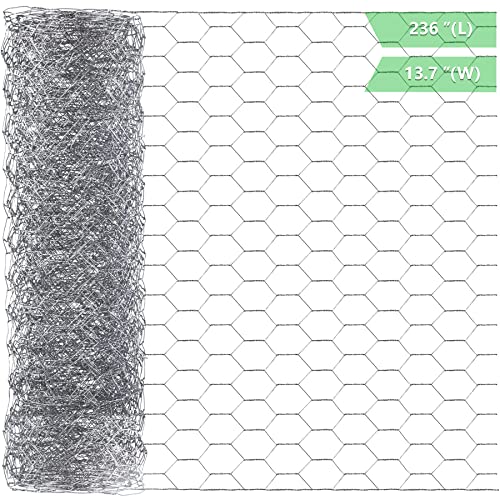
【Large Size】Each mesh is 13.7 inch (width) x 236 inch (length) / 0.35 m x 6 m, 0.8 x 1.38 inch mesh. Wire fencing is long and wide enough to enable you to cut off any shape that you need
What to Do Instead of an Ultrasonic Mosquito Repeller
Eliminating mosquito breeding sites is one of the most effective ways to reduce their population around your home. You should empty, scrub, and cover any containers that hold water at least once a week. Common items include tires, buckets, planters, birdbaths, and clogged gutters. Standing water provides an ideal environment for mosquito larvae to develop into adults, so removing it cuts off their reproductive cycle. If you cannot drain standing water, applying larvicides directly to these areas can kill larvae at the source. For a physical barrier that also addresses standing water issues, consider installing poultry netting fencing to securely cover gutters and downspouts, preventing debris accumulation that leads to pooling water. Consistent maintenance and community efforts, such as neighborhood clean-ups to remove debris and standing water, can significantly lower mosquito numbers and reduce the likelihood of bites. Open windows and doors with tight screens, use bed nets when sleeping, and wear long-sleeved, light-colored clothing with EPA-approved repellents containing DEET or picaridin to protect yourself from bites. Combining these methods creates a far more reliable defense than relying on ultrasonic devices, which have limited effectiveness.

MOSQUITO LARVAE KILLER - Mosquito Beater is a highly selective microbial larvicide, effective against mosquito larvae in standing water. It kills developing mosquitos upon ingesting before they become breeding, biting adults.

TRIPLE-ACTION MOSQUITO TREATMENT — Experience complete protection with EcoVenger's (formerly EcoRaider) Triple-Action Mosquito Treatment. This must-have solution for summer or tropical homes and gardens kills adult mosquitoes on contact, eliminates larvae in standing water and humid areas, and builds an extended spatial repellency barrier for treated areas. This synergy provides comprehensive 360-degree, 4-week protection against various mosquito species.