


Wasp traps often raise the concern of whether they unintentionally kill beneficial pollinators, especially bees. While they target wasps, many traps also catch honeybees, bumblebees, and hoverflies, sometimes in large numbers.
Understanding how these traps work and how to use them responsibly can help protect your local pollinators while controlling pests.
The full details are below.
The Short Answer: Yes, Wasp Traps Can Kill Bees
Wasp traps can and do kill bees, especially when they use non-selective sweet bait options. Baits like sugar-water or cordial are highly attractive to bees, bumblebees, and hoverflies, which often drown in these traps along with their target pests. Conversely, protein-based lures or chemicals like heptyl butyrate reduce the chance of capturing beneficial pollinators. Placement matters significantly: positioning traps far from flowering plants and hives minimizes accidental bycatch. Commercial traps vary widely in their attractants—some are marketed as bee-safe, while others are not—so always check the attractant chemistry before purchasing. To protect pollinators while managing pests, opt for traps with selective lures and avoid sweet baits altogether. For example, understanding how a thermal fogger works can offer a different approach to yard pest control that may reduce reliance on traps. When selecting a pond net, similar care with mesh size helps prevent accidental capture of beneficial insects. Reading Best Garden Netting Reviews can also help you choose a product designed for quality and value rather than broad-spectrum harm.
Why DIY Sweet-Bait Wasp Traps Kill Bees
DIY sweet-bait traps with attractants like sugar water, soda, or fruit juice attract both pollinators and wasps because they mimic the nectar and ripe fruit odors bees naturally seek. These broad-spectrum scents lure honeybees, bumblebees, hoverflies, and wasps alike. The trap’s funnel design makes escape nearly impossible for all insects inside, and the dish soap ensures they drown quickly. While you might think these traps are safe alternatives to pesticides, tree guards for squirrels similarly show how selecting a targeted design prevents unintended harm to non-pest animals. They do not discriminate between beneficial insects and pests. Placing traps near blooming plants or fruit trees only increases the chance of attracting and harming pollinators. To avoid harming these helpful insects, steer clear of sugary foods like honey, jam, or fruit juice in your traps. Instead, opt for lures that target wasp-specific feeding cues, such as those exploiting their dietary preferences, rather than simple carbohydrate scents. For effective pest control, using bait that mimics the targeted animal’s natural food sources, as found in groundhog trap baiting, reduces harm to non-target species. This way, you protect your garden while still controlling wasp populations. For a targeted solution, consider using a specialized carpenter bee trap that physically excludes pollinators while capturing only the wood-boring pest.

REFILL: Replacement lure to be used with Spectracide Wasp, Hornet, & Yellowjacket Trap. Each lure lasts up to 30 days.
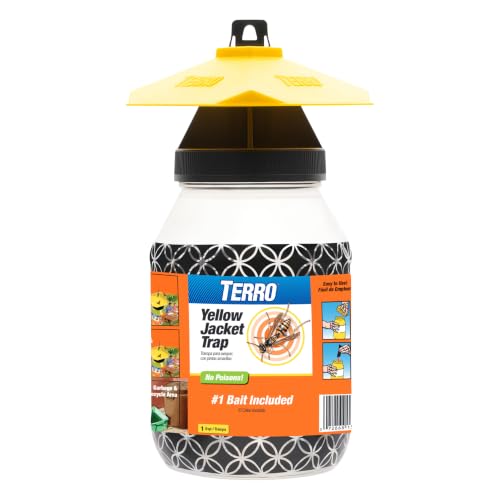
ATTRACT & KILL YELLOW JACKETS: Attracts and traps yellow jackets outdoors

Complete Wasp Trap Set: This outdoor yellow jacket trap set includes 4 wasp traps, 8 attractant refills, and 4 hanging strings. This complete hanging wasp trap set provides everything you need to help reduce wasps, hornets, yellow jackets, and fruit flies in outdoor spaces. One wasp trap with 2 packs of attractant lasts for 3-6 weeks with no daily maintenance required. Please note: Use At Least 20 Feet From Living Areas
What Makes a Commercial Wasp Trap Less Likely to Kill Bees?
Commercial wasp traps reduce bee casualties mainly through selective bait chemistry, entrance size control, and design features that target specific insects. Professional lures use protein-specific blends or compartmentalized attractants, such as the USDA’s W·H·Y trap, which do not appeal to honey bees. This approach helps protect hive health by keeping beneficial pollinators out of the trap. Adjustable entrance openings between 7 and 11 millimeters physically block larger and smaller bees while allowing wasps to enter. One-way fluted entries further prevent accidental captures by restricting entry to only the targeted species. Separating the capture chamber from the bait compartment limits contact with bait, thus reducing pesticide exposure for non-target insects. These design choices avoid using broad-spectrum sweet baits that could attract and harm bees, focusing instead on species-specific control that safeguards your colony’s health. For additional protection during direct wasp removal, wearing bee suits shields from stings, but only if the suit fabric is thick enough to prevent wasp stingers from penetrating. Similarly, when trapping other pests like raccoons, attractant selectivity is crucial to avoid catching non-target animals.

Effective Control – These offer a simple and chemical-free solution to protect your wooden structures from damage.

Kills Wasps & Hornets safely

FOR RESCUE! WHY TRAP - This refill works with the RESCUE! WHY Non-Toxic Reusable Trap for Wasp, Hornet and Yellowjackets, and provides 2 weeks of attractant power.
How Trap Placement Determines Whether Bees Get Killed
Proper trap placement is crucial to minimize bee casualties. Position traps at least 20 to 40 feet away from any hive to significantly reduce the likelihood of trapping and killing bees. Avoid placing traps near flowering plants where foraging bees gather, as this increases the chance they will get caught. Hang traps 4 to 6 feet high to effectively intercept wasps while avoiding overlaps with bee flight paths. Placing traps around the perimeter, between wasp nesting sites and the apiary, helps redirect wasp traffic away from the hives. For constructing a simple and durable trap, consider using cheap materials like metal screening rather than mesh. For a sturdy and lasting trap frame, a structure built with quality metal screening offers greater durability and better containment. Additionally, selecting a best chicken wire for fencing can provide a reliable and long-lasting enclosure for use around the apiary.
Be cautious not to confuse wasp traps with mosquito or bird deterrent devices, as these target different pests. Ground-level placement near apiaries is risky, since yellowjackets forage close to hives and can become inadvertently trapped. Also, avoid open, sunny spots that may overlap with bee zones. Focus on intercepting scouting wasps along their routes, not where bees are already feeding. Regularly monitor trap activity and reposition traps if increased bee activity is observed around them.

Attract, Trap & Eliminate: Raid Disposable Yellow Jacket, Wasp & Hornet Trap attracts and captures common stinging insects with a food-based lure. It’s a reliable outdoor solution to help prevent painful stings around patios, gardens, and entryways

Eliminate Carpenter Bees - Our exclusive VisiLure technology lures carpenter bees, wasps, red wasps, and mud daubers with appealing colors and a multi-dimensional pattern. Once attracted, they become stuck to the sticky surface and expire.

Targets Wasps – Exclusive VisiLure technology lures wasps, red wasps, mud daubers, and carpenter bees with appealing colors and patterns. Once attracted, insects become stuck to the sticky surface and expire.
Why Even Selective Wasp Traps Still Kill Some Bees
Even so-called selective wasp traps still kill bees because their bait chemistry cannot fully distinguish between wasps and bees. Sweet baits designed to mimic nectar or fermenting sugars attract both species, leading to cross species attraction. This overlap means bees can be lured into traps despite efforts to target wasps exclusively. Physical barriers, such as entrance size and shape, help reduce unintended catches but cannot perfectly exclude all bee species; some bees still manage to squeeze through the openings. Additionally, yellow trap surfaces often attract bees traveling along foraging routes, increasing the likelihood of accidental capture. Studies have documented non-target mortality, with one trap killing around 80 bees for every wasp it targeted during spring. This problem mirrors similar issues found in pest control, where bug bombs fail to selectively target only insects like mice while also endangering non-target species. Similarly, indoor mosquito zappers designed for effective pest control can inadvertently kill beneficial pollinators if placed near open windows or plants. Building a cheap DIY trap using common household materials can still cause similar unintended bee casualties if the bait is not carefully chosen. Ultimately, selective traps reduce bycatch but do not eliminate it, so some bees will still be lost due to bait overlap and entry gaps that cannot be perfectly sealed.
What’s a Better Method Than Trapping to Save Bees?
Preventing wasps from becoming a problem is a more effective and bee-friendly approach than trapping. To do this, focus on eliminating what attracts them. Remove ripe fruit, sugary spills, and pet food from your yard. Keep garbage and recycling bins tightly sealed to prevent wasps from accessing food sources. Seal cracks in roofs and siding to stop nest building, and check eaves and sheds early for starter nests before they grow. Use peppermint or clove-based deterrents around entry points rather than traps; these smell unpleasant to wasps but are harmless to bees. Supporting a diverse array of native flowers and providing clean water stations encourages bees to thrive away from wasp attractants. Avoid letting foraging bees compete for food waste by keeping your yard tidy. This method reduces the need for trapping, minimizing pesticide use and keeping your bee population safe and healthy.
How to Trap Wasps Without Killing Bees
Using the right trap design and placement helps protect bees while trapping wasps. Choose a dry trap with small entrances around 1/4 inch wide, which prevents bees from entering but allows wasps to get in. Bait with vinegar or a mixture of fruit, water, and dish soap—avoid sugary substances that attract honey bees. Position traps at least 20 feet away from bee colonies and flowering plants to reduce the risk of accidental bee catches. Place them low to the ground, where yellowjackets and wasps typically forage. For gardens with blueberries, bird netting for blueberries offers a proven method to protect fruit without harming beneficial insects. Check traps every few days and refresh the bait to keep them effective without attracting unintended insects. When selecting a trap, look for top picks on quality that offer durable construction and reliable performance. When handling traps, always wear protective gear to avoid bites or stings during release. During early spring, before wasp populations increase, set traps to help control their numbers naturally. For larger infestations, professional hive removal offers a safer, more effective alternative to simple trapping.

THE ORIGINAL – There’s a reason you see this trap everywhere: it’s the original, and it works! There are roughly a dozen species of stinging yellow jackets throughout North America, and this trap is designed to lure them all.

Lure & Eliminate Yellowjackets – This disposable yellowjacket trap targets and traps all major species of yellowjackets found in Central & Eastern States. Please consult the map to ensure you are purchasing the correct trap.

THE ORIGINAL – There’s a reason you see this trap everywhere: it’s the original, and it works! There are roughly a dozen species of stinging yellow jackets throughout North America, and this trap is designed to lure them all.