


If you’re wondering how to catch a coyote safely and humanely, understanding the right trapping methods is key. Using the proper equipment and placement can help you succeed without harm to the animal.
With a few simple steps, you’ll be able to set up an effective trap and manage the situation responsibly. Keep reading for all the details you need.
Check Trapping Laws Before You Set a Single Trap
You must check your state and local trapping laws before setting a single live trap for coyotes. Compliance is mandatory—it’s your responsibility to follow all regulations. Usually, you’ll need a valid trapping license, and many states require a separate permit for live coyote capture, especially for commercial purposes or out-of-season trapping. Local governments can also impose additional municipal permits on top of state rules. Don’t assume a landowner exemption applies; such exceptions are typically very limited. Your trapping permit will specify restrictions on trap types, how you can dispose of captured animals, and the valid trapping dates. Be aware of specific season dates—some states permit trapping year-round, while others have closed seasons. Out-of-season trapping generally requires a special depredation permit. Ignoring these regulations can lead to fines, permit revocation, or even criminal charges. Always verify current laws before you set a trap. While reviewing bait regulations, you may also consider top wasp trap baits as a separate pest control option for different target species. For effective scent control near your set, consider how reliable bug defense principles apply to minimizing olfactory distractions that could spook wary coyotes. When selecting trap placement, review Top Bee Traps for Carpenter Bees to understand how effective trapping designs often rely on specific entry points and attractant strategies.
Choose a Live Trap With Offsets, Rubber Pads, and Light Pan Tension
A live trap with offset jaws, rubber padding, and light-to-moderate pan tension provides a humane and effective way to capture animals safely. Offset jaws leave a small gap when closed, which distributes pressure evenly and reduces the risk of injury compared to fully closed jaws. Rubber pads cushion the animal’s foot, helping to prevent paw injuries while ensuring a secure grip. Setting the pan tension around 3 to 4 pounds ensures the trap fires reliably on target animals like coyotes but remains sensitive enough to avoid non-target captures. Proper tuning involves adjusting the pan so it breaks cleanly without lateral creep and ensuring the jaw sits slightly above the bed for even closure. This tension is achieved by twisting the nut to either tighten or loosen the pan, adjusting how much pressure is needed to activate the trap. Before placing your trap, check that all accessories, such as adjustment bolts, are secure and functioning properly. For field maintenance, applying a compatible repellent mat can help mask human scent from the trap components. You can similarly use cheap materials from your home, like a bucket and mesh screen, to construct an effective mosquito trap that reduces pest populations without costly equipment. Unlike these targeted methods, bug bombs fail to penetrate the deep cracks and crevices where bed bugs hide, making them ineffective for complete eradication. Investing in this combination of features increases the likelihood of successful captures while maintaining a humane approach.

Humane Trap Design: Professional-grade trap, 59 inches long, safely captures dogs, coyotes, bobcats, foxes. Foldable design for easy storage and transport. Sturdy...
Place the Trap Where Coyotes Travel: Near Tracks, Droppings, or Kills
Place your trap where coyotes travel by identifying fresh signs first. Tracks, droppings, or recent kills indicate active use of specific routes. Focus on areas like fence lines, field edges, pasture roads, waterways, and stream crossings, as these are natural travel corridors. Trail junctions and road crossings also concentrate movement, making them ideal spots—set your trap close to these but not directly in the main path to avoid detection. To improve success, bait the trap with strong-smelling carrion or commercial lures placed behind the trigger plate. Understanding how mosquito bits work can help you address separate pest issues in your yard without interfering with trapping efforts.
If you find a carcass, position your trap at least 50 yards away along the approach route. Place it upwind of the trail so scent naturally drifts toward the coyote. Open, level ground is best for visibility and scent dispersal, particularly on high ground or ridges. Avoid placing your trap where old sign exists; only fresh tracks or droppings indicate current activity, increasing your chances of success. Consider using pond netting materials for camouflage to blend the trap with the surrounding environment.

NOTE-Designed to hold coyotes, foxes and medium-large wild animals, this sturdy trap may have its frame and hook rods bent under the overwhelming frantic force of panicked strong wildlife, an unavoidable physical limitation for all cage traps. Bent hook rods can be straightened manually for continued use. We’ve stated this limitation upfront on the listing and appreciate your understanding; please use the front door for convenient catching and releasing.

Extra Large 58 Inch Cage: the coyote trap cage boasts a spacious interior (58 × 20 × 22 inches) for the humane capture of large wild animals such as raccoons, bobcats, foxes, small coyotes, stray dogs, and turkeys; Setup can be completed in one go – ideal for owners with large tracts of land and professionals

CATCH AND RELEASE TRAP: Humane solution designed for capturing and releasing extra large pests
Bait With Fetid Meat or Gland Lure to Draw Coyotes Into Position
Baiting with fetid meat or gland lure effectively draws coyotes into position by appealing to their natural instincts and territorial curiosity. Using well-aged, strong-odor bait ensures the scent disperses farther, especially during winter when coyotes have limited food sources. Pairing meat with gland lure combines the motivation to feed with the desire to investigate new scents. Place the lure slightly off-center from the trap to encourage the animal to move toward it naturally. Keep in mind that fetid meat can attract non-target scavengers, increasing bycatch risk. To minimize this, use natural materials and follow local baiting laws. Managing spoilage is essential to prevent excessive odors that could lead to complaints. Select baits that are less likely to lure unwanted scavengers by avoiding overly sweet or fatty options that appeal to non-target animals. Live traps for smaller animals can also be effective, but ensuring the trap is large and sturdy is critical for containing a coyote. Glands are dried and aged to enhance their scent and prevent rotting, which boosts lure effectiveness for drawing coyotes. Similarly, a simple box trap can be constructed from cheap materials to create a cost-effective alternative for capturing target animals.

High Quality Materials:SZHLUX Live Animal Cage Trap use low carbon steel wire and medium frequency welding. In this way, the product surface is flat, the welding is firm, and it is not easy to solder off.Weather and rust resistant.
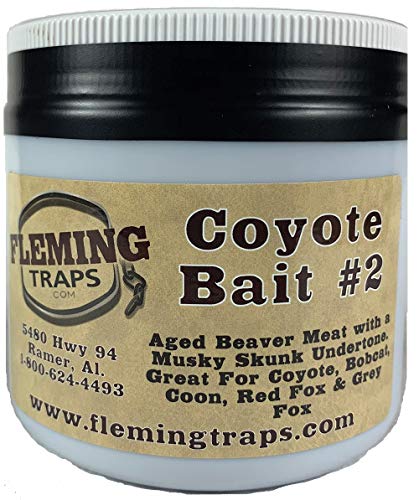
Coyote Bait

Humane Design: Equipped with a sensitive trigger and a spring-loaded front door, the trap cage is activated with just a light touch on the pedal, ensuring quick closure once the animal enters. Additionally, the trap features a rear door for easy release of captured animals.
Conceal the Trap With Sifted Soil and Natural Cover Materials
To conceal the trap effectively, start with a thin layer of sifted dry, fine soil—about ¼ to ½ inch deep—spread directly over the pan and springs. This creates a lightweight cover that hides the hardware without forming a noticeable mound. Shake the sifter vigorously to remove debris, ensuring a uniform texture that won’t trigger the trap prematurely. To blend the soil seamlessly with the surrounding ground, scoop additional dirt from the trap bed area and match its color and texture. Smooth the surface gently with a whisk broom to pack it down naturally, avoiding any obvious edges. Finally, use small rocks or sparse vegetation around the set to provide natural camouflage, but avoid obstructing the trap’s moving parts. Adding a simple homemade trap using a plastic bottle and vinegar can also help draw away smaller pests that might disturb the set. Best chicken wire for fencing can also be used to subtly reinforce the cover without appearing artificial. This approach keeps the site hidden without creating unnatural or conspicuous piles. Unlike bee suits, which offer limited protection from aggressive wasps, this concealment method avoids attracting attention from wary predators.

HEAVY-DUTY 304 STAINLESS STEEL - Rustproof, warp-Resistant, built to Last SECURE LOCKING DESIGN - Stable & fixed mesh screen, no wobbling or slipping EFFICIENT SIFTING - 14"...
Set the Trap Level With the Ground for Better Foot Placement
Setting the trap level with the ground is essential for effective foot placement. To do this, dig a shallow, firm seat that keeps the trap flush with the surrounding soil. This prevents the frame from rocking and ensures stability. Compact the soil beneath the trap to create a solid base. Set the pan and jaws about a quarter to half an inch below the surface to form a natural walking path that guides the animal’s step onto the pan without hesitation. To further refine the set, study the animal’s travel patterns and place the trap along established runways to intercept its natural path.
The trap should not sit proud above the ground, as this unnatural height can scare cautious animals away. Your bait placement and trap concealment work best when the set looks like undisturbed ground. After bedding, check the pan height and adjust so it is level with the jaws. Tamp down any high spots around the trap to maintain a low-profile, stable setup. A trap set flush with the ground reduces misses and improves catch consistency. For example, similar to how a bug bomb works best when deployed in an undisturbed, enclosed space, your trap setup must avoid any unnatural distractions that could deter a target. A successful set also relies on patience and precision during setup to ensure the trap remains hidden and increases the likelihood of engagement.
Just as chicken wire is ineffective at stopping determined rabbits, your trap must be properly hidden to avoid alerting cautious predators.

HUMANE ANIMAL TRAP CAGE – Ideal trap for stray cats, as groundhog trap, raccoon trap, skunk trap, trap for small dogs, fox trap, and armadillo trap

Humanely Captures Animals – Ideal for trapping rabbits, skunks, and squirrels

Wide Application: As urban and wilderness ecosystems intertwine, animals may disturb your life. Our cat trap is a versatile solution for various animals, including cats, raccoons, rabbits, groundhogs, armadillos, and opossums. It effectively addresses issues such as farmland invasion, release, and harassment.
Check Traps Daily and Follow Local Rules for Dispatch or Release
You must check your live traps for coyotes at least once every 24 hours. Many states require daily inspections to ensure humane treatment and compliance with legal standards. When you find an animal in a trap, you are obligated to remove it immediately. Possessing a live coyote beyond this window or moving it off-site is generally illegal. Instead, follow your area’s specific protocols for dispatch or release. If dispatching is permitted, humanely shoot the coyote on-site, provided local ordinances allow. If laws allow immediate release, do so without delay. Ignoring these rules can lead to fines and cause unnecessary suffering for the animal. For smaller nuisance animals like chipmunks, the best trap often depends on whether you prioritize kill, live cage, or catch-and-release options. Always verify your local regulations for trapping, dispatch, and release procedures, and conduct your inspections diligently every day.