


Got gnats buzzing around your fruit or sink? Making a simple homemade trap can quickly cut down their numbers.
With just a few common ingredients and a simple setup, you can keep these tiny pests at bay.
Keep reading to learn how to create an effective gnat trap that works with minimal fuss.
How to Make a DIY Gnat Trap That Actually Works (Vinegar and Soap Recipe)
To make a DIY gnat trap that actually works, start with two simple ingredients: apple cider vinegar and liquid dish soap. Pour a shallow layer of the vinegar into a small jar or bowl—about half an inch deep. The vinegar’s strong smell attracts gnats and fruit flies effectively through chemical cues, drawing them toward the liquid. Add three to four drops of dish soap directly onto the vinegar’s surface. You do not need to mix it in; just let it rest as a thin film on top. The soap breaks the vinegar’s surface tension, causing any gnats landing on the surface to sink instead of staying afloat. Both ingredients are non-toxic in small amounts, so you can safely place the trap near food prep areas without concern. For larger yards, this trap costs nearly nothing compared to store-bought alternatives that may lose potency after a few days. A 2L plastic bottle can be cut and inverted to create a funnel-based trap that prevents bugs from escaping through the small hole. If you prefer to avoid vinegar entirely, similar results can be achieved using a sugar and yeast mixture as an alternative attractant. Position the trap close to where the gnats are most active, and you should notice a decline in activity within a few hours to a day. For persistent outdoor pests, consider a targeted carpenter bee trap designed to capture larger wood-boring insects.

100% Raw-unfiltered

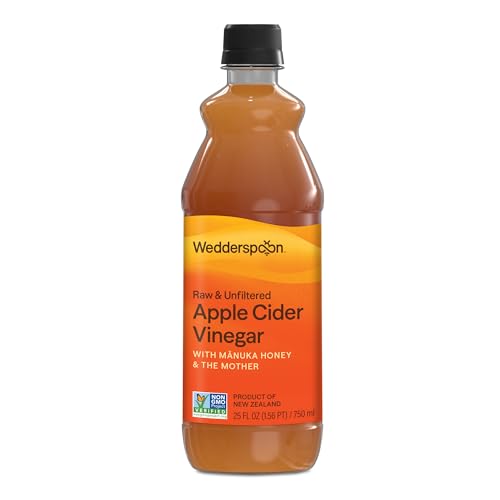
RAW & UNFILTERED GOODNESS: Crafted from cold-pressed organic apples and naturally fermented with The Mother for gut-friendly benefits; Non-GMO Project Verified and free from antibiotics and glyphosates
How to Build a Covered-Jar Gnat Trap for a Cleaner Kitchen Look
To build a covered-jar gnat trap, start with a clean mason jar and a metal lid. Use a nail and hammer to carefully puncture 4 to 8 small holes in the lid, each about the width of a pencil tip. Screw the lid tightly onto the jar. Inside, pour approximately 1/8 cup of apple cider vinegar, creating a shallow layer. Add a few drops of dish soap to the vinegar to break the surface tension, which helps trap the gnats. Alternatives like honey or ripening fruit also work as attractants. A simple mixture of sugar and water can also serve as an effective homemade bait similar to wasp trap designs. Place the trap near your fruit bowl or sink for best results. For a more targeted approach, consider how the top options for commercial fruit fly traps compare to this homemade design. The clear glass allows you to monitor the number of captured gnats without opening the jar. When the bait gets dirty or ineffective, simply replace it with fresh vinegar or your preferred attractant. This design keeps your kitchen looking tidier while effectively reducing gnat presence. For more severe infestations, consider using ultrasonic mouse repellents as an alternative pest control method for different household pests.

Set of 4 fruit fly catching lids: Reusable trap lids turn any wide mouth mason jar into a discreet and effective fruit fly catcher.
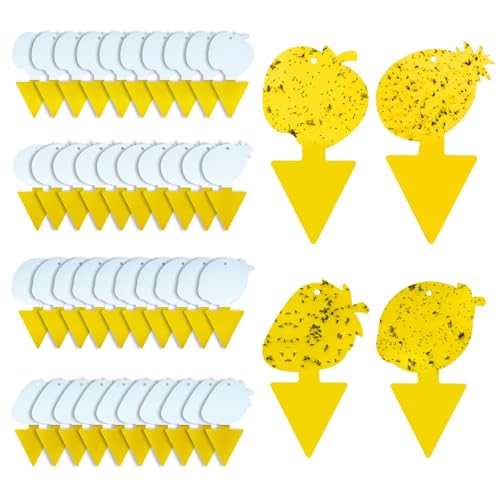
Powerful Insect Control: Captures fruit flies, gnats, whiteflies, aphids, midges, and other small flying pests using bright yellow color and extra-sticky glue

Special Yellow Cover: The yellow cover targets 500–600nm wavelengths, the exact color fruit flies chase. Simply fill the Mason jar with apple cider vinegar as bait, then screw on this cover. The visual lure plus vinegar scent doubles your catch rate
Making a Funnel-Style Gnat Trap From Items You Already Own
You can make a simple funnel-style gnat trap from an empty 2-liter soda bottle. Cut off the top third and invert it into the remaining base, forming a funnel where the neck points downward. Pour about 1/4 cup of apple cider vinegar into the bottom of the bottle as bait. Add a few drops of dish soap to break the surface tension, preventing gnats from escaping once they land. If the funnel wobbles, secure it in place with tape to keep it steady. This design is effective for both indoor and outdoor use, providing a chemical-free method to control garden pests. For routine cleaning, you should rinse the bottle to prevent mold and residue buildup. Using white vinegar as a substitute bait in this funnel trap can also attract gnats effectively. For a different approach, roll a small paper cone and set it into a glass jar with the narrow end above the liquid. Both setups allow gnats to enter easily but make it difficult for them to exit, leading to quick results without harsh chemicals. Meanwhile, if you face larger pests outdoors, coyote urine may help repel skunks, though its effectiveness varies and safer alternatives often work better.

Easily and safely eliminates fruit flies.

Polish your bath’s aesthetic with a decorative p-trap that perfectly matches Delta Faucet finishes

INCLUDES 4x REUSABLE TRAP CAPS FRUIT FLY CATCHING LIDS - Trap Caps are simple to setup, eco-friendly, completely reusable and dishwasher safe. No need to buy costly sprays or unsightly disposable plastic traps. Fits any size of small/regular mouth mason jar.
Where to Place Your Gnat Trap for Maximum Effectiveness
Place your gnat trap directly at the source of the infestation, aligning it with the gnats’ flight level for maximum effectiveness. For fungus gnats around houseplants, position one trap per pot at soil level, with sticky surfaces about two inches above the soil. In the kitchen, place traps beside fruit bowls, trash bins, or compost containers, ensuring they sit at counter height—roughly two to four feet above the floor. Indoor traps working best are positioned at fly-level, around three to five feet high, since gnats tend to fly within this range.
Avoid placing traps too high, as their effectiveness diminishes with distance from the gnats’ flight zone. Keep traps in low-traffic, low-disturbance areas such as behind counters or under sinks, away from winds or drafts that could carry gnats away. For long-term control, regular trap maintenance is essential to prevent re-infestation.
If you identify multiple breeding hotspots, set up a separate trap near each one—whether near plants, sinks, or fruit areas. Covering all active zones ensures you target the entire infestation instead of just a portion of it. Proper placement of traps, at the correct height and near breeding sources, is crucial for quickly reducing gnat populations. For a durable solution that withstands repeated use, review quality and value ratings of commercial options before upgrading your homemade setup. Unlike ultrasonic devices, which have tested results showing limited effectiveness against pests like gnats, your homemade trap relies on direct physical capture for guaranteed control.

Control Houseplant Insects - Sticky Stakes effectively attract and trap aphids, white flies, fruits flies, fungus gnats, and other insects that hide in houseplants

[Catches Gnats, Fruit Flies, Whiteflies And More] Yellow sticky traps with top-grade adhesive grab fungus gnats, aphids, fruit flies, thrips, and whiteflies on contact from both faces. Place each card at soil level near drainage holes for fastest results. Works for indoor plants and outdoor gardens.

[Catches Fungus Gnats & Flying Pests On First Contact]: Super-sticky, double-sided adhesive intercepts gnats, fruit flies, whiteflies, aphids, thrips, and midges the instant they land - on both sides at once, with no bait or batteries. Reviewers across kitchens, bathrooms, and plant rooms report catches beginning within hours of first placement.
How to Maintain Your Trap All Week and Prevent Gnats From Coming Back
Maintaining your trap all week involves refreshing the liquid bait every one to three days. For stronger performance, aim for every other day, as old bait loses its attractiveness to gnats. Instead of just topping off the trap, it’s best to rebuild it entirely—buildup of old bait and debris reduces effectiveness. Replace sticky traps when they are about 60% covered with gnats or debris, roughly every two to three weeks. This ensures they remain highly visible and functional. For best results, use apple cider vinegar as the bait, as its scent is highly attractive to gnats and fruit flies. Placement of the trap is important, but you must also eliminate moisture and food sources to prevent gnats from returning. Fix leaky faucets, empty plant saucers, and let houseplant soil dry thoroughly between waterings. Clean counters promptly, store fruit in sealed containers, and dispose of trash daily. Sealing cracks and repairing window screens can also help block entry points. Without addressing these sources of attraction and entry, even the best trap won’t keep gnats away permanently. Just as a dedicated bee suit will not reliably shield you from aggressive wasp stings, failing to address the root causes of a gnat infestation will make any trap ineffective. Consistency in your maintenance routine is key to breaking the gnat cycle for good. Using simple materials to build your trap from scratch each time can improve its overall performance.

4 PACK OF REFILLS: Use this 4-pack of liquid lure refills designed specifically for TERRO fruit fly traps, as the bait formula helps to provide continuous protection against fruit flies and gnats in your home for up to 180 days (45 days per refill)

Premium Material: our ceramic fruit fly trap combines an elegant ceramic jar with a highly functional stainless steel lid. It effectively catches fruit flies while seamlessly blending with your kitchen decor aesthetic
![BUGEZE USA Fruit Fly Trap Indoor Gnat Trap Reusable Bottle Top Catcher for Kitchen, Plants, Drain, Flies and Gnats Control, Yellow Funnel Trap for Fruit Insects Bait Compatible for Home Use [2 Pack]](https://m.media-amazon.com/images/I/31AeUdaJxRL._SL500_.jpg)
☑️ USA BRAND TRUST: BUGEZE is a proud American brand with USA-based customer service and an A+ Better Business Bureau rating for 35 years. Reliable indoor gnat trap and fruit fly trap solution designed for safe home pest control without harsh.