


Wondering if bug bombs can really get rid of bed bugs? The short answer is no. These fumigants are generally ineffective because bed bugs hide deep in cracks where the fogger’s mist can’t reach.
Many have developed resistance to the chemicals used. Keep reading to learn what really works to eliminate these pests.
What Exactly Is a Bug Bomb?
Safety precautions are essential when using a bug bomb. You must evacuate the area completely, including pets, because of flammable propellants and potential health risks from the chemicals. After deploying the fogger, wait the amount of time specified on the label—usually two to four hours—before reentering. Once inside, air out the space thoroughly to remove any residual fumes and chemicals. Skipping these steps can lead to illness, respiratory problems, or fire hazards. Keep in mind that bug bombs treat the entire room at once, but their effectiveness is limited to the areas that are exposed. For targeted pest control, a Top Bee Trap for carpenter bees can offer a more specific and safer solution for outdoor infestations.
Can a Bug Bomb Actually Kill Bed Bugs? (No)
Bug bombs are ineffective against bed bugs. Scientific research shows that total-release foggers do not eliminate these pests. The main problem is that bed bugs have developed significant resistance to pyrethroids, the primary active ingredient in most bug bombs. Even without resistance, the limited reach of the insecticide makes it unlikely to kill all bugs. Bed bugs hide in tiny cracks and deep harborages, where the fog of a bug bomb cannot reach. Only the bugs directly exposed to the spray will die, leaving the rest unharmed. This means a few bugs may be killed initially, but the majority will survive and continue infesting your home. Government and university guides confirm that bug bombs are not a reliable method for eradicating bed bugs. In contrast, tree guards for deer are a proven physical barrier that effectively protects plants from pests. For a more effective and affordable approach, consider building a simple physical barrier using common materials to block access to your target area.
Why Bug Bombs Can’t Reach Bed Bugs in Their Hiding Spots
Bug bombs cannot reach bed bugs in their hiding spots. Bed bugs hide deep inside narrow cracks, mattress seams, and wall voids, places where the mist from a bug bomb never reaches. The aerosol settles on open surfaces like floors and furniture but cannot penetrate into tight crevices. Unlike a fogger’s operational window when its propellant is active, the mist’s brief longevity without the battery means it dissipates before ever reaching deep harborages. Using a fogger is like trying to spray a hidden area with a garden hose from across the room—it simply isn’t effective. Over-the-counter solutions and DIY remedies rely on this broadcasting method, but they fail to reach the protected harborages. Bed bugs tuck into baseboard gaps, behind wallpaper, and inside bed joints—areas the mist cannot physically access. Without direct contact, these hiding spots remain untreated, allowing the infestation to survive and reproduce. Unlike trapping possums with effective bait ideas, bed bugs require targeted contact sprays or heat treatments for elimination. In contrast, live mouse traps are designed to physically capture rodents, but bug bombs provide no such localized containment or targeting. Ultimately, bug bombs leave the core of the problem untouched, letting bed bugs reinfest the space.

READY-TO-USE APPLICATOR: Apply this bed bug spray for homes using the included Comfort Wand to target tight and hard-to-reach places where bed bugs hide

HIGHLY EFFECTIVE, PLANT-POWERED BED BUG KILLER: EcoVenger Bed Bug Killer uses a patented blend of botanical insecticidal compounds to combat tough insects. A published university study ranks it as the #1 most effective natural product against bed bugs among 12 products tested, outperforming traditional pesticides.
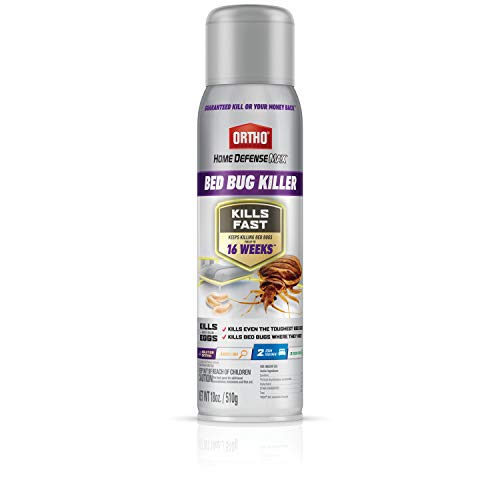
BED BUG SOLUTION SYSTEM: Use with Step 1 Ortho Home Defense Max Bed Bug trap to detect bed bugs, and Step 3 Ortho Home Defense Max Bed Bug & Flea Killer Powder to kill bed bugs by contact (sold separately)
The Real Problem: Bed Bug Resistance to Bug Bomb Chemicals
Bug bombs are largely ineffective against bed bugs because of widespread chemical resistance. Many bed bug populations have developed the ability to survive pyrethroids, which are the main ingredients in foggers. Some strains show over 5,000-fold resistance to deltamethrin, meaning you’d need an extremely high dose to eliminate them—doses that are impractical and unsafe. This resistance involves target-site mutations that prevent chemicals from binding properly, and metabolic enzymes that break down insecticides before they can do their job. Cross-resistance also means that bugs resistant to DDT-like compounds will likely survive treatments with similar chemicals. Because of this, relying solely on chemical foggers is no longer effective. An integrated approach that includes heat treatments, desiccant dusts, and physical encasements offers a more reliable solution, as resistance is unlikely to decline significantly in the near future. Unlike bed bugs, trapping a skunk directly removes the pest from the property rather than relying on chemical knockdown. For comparison, mosquito bits rely on a biological larvicide that remains effective for several days in standing water, showing how some pest control products can maintain efficacy without the resistance issues plaguing chemical foggers. Similarly, bee suits shield against wasps by providing a physical barrier, which avoids the chemical resistance problems seen with foggers.

Comprehensive - The powder is great for a thorough treatment, as it's able to effectively treat hard to reach areas

Comprehensive - The powder is great for a thorough treatment, as it's able to effectively treat hard to reach areas
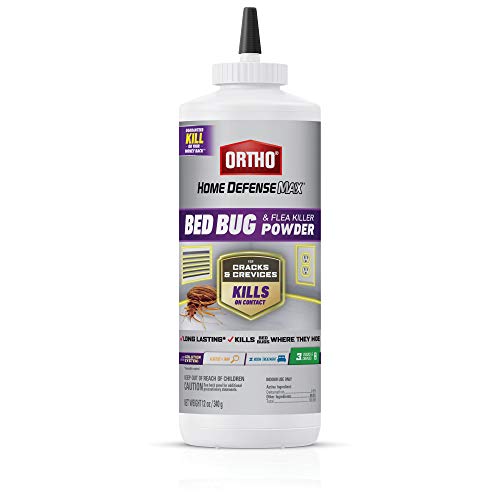
BED BUG SOLUTION SYSTEM: Use this bed bug powder as Step 3 along with Step 1 Ortho Home Defense Max Bed Bug trap to detect bed bugs, and Step 2 Ortho Home Defense Max Bed Bug Killer to kill bed bugs quickly (sold separately)
5 Major Risks of Using a Fogger for Bed Bugs
Using a fogger for bed bugs poses five significant risks. First, you risk inhaling chemical hazards, as foggers disperse pesticide into the air. This can cause coughing, dizziness, and nausea, especially for those with respiratory issues like asthma. Reentering the space too soon after fogging increases the danger of accidental poisoning. Second, fire and explosion hazards are a concern because foggers contain flammable propellants. An open flame or even a spark from a faulty appliance can trigger a disaster. Third, children, pets, and sensitive individuals are more vulnerable since they may not be evacuated quickly enough. Fourth, chemical residues can contaminate furniture and floors, leaving toxic buildup that persists after the fog clears. Finally, foggers often have limited effectiveness, meaning you might need multiple treatments, which increases chemical exposure without effectively solving the bed bug problem. For better personal protection, choosing a proper respirator or mask can reduce inhalation risks during any necessary cleanup. Fogger users would be better served by using chemical resistant gloves to handle any residual treated materials safely.

NIOSH-APPROVED: 3M Particulate Filter 2097, P100 provides at least 99.97% filtration efficiency against solids and liquid aerosols, as well as oil-based particulates

NIOSH-APPROVED OV/AG/P100 RATED filters for at least 99.97% filtration efficiency against solids and liquid aerosols, as well as oil-based particulates

The MOARON MJ-4006 Full face cover is CE Certified and ASTM E2952-17 Tested to ensure your protection during woodworking, painting, construction, sanding, renovation, demolition etc
Why Bug Bombs Might Actually Spread the Infestation
Bug bombs can unintentionally spread bed bugs deeper into hiding rather than eliminate them. These devices emit a fog that often doesn’t reach into cracks, seams, or deep within furniture where bugs tend to cluster. Because the chemical residue alerts the bugs, many scatter to avoid contact, pushing themselves into wall voids and hidden corners.
Structural hiding spots like baseboards, bed frames, and building joints become escape routes. When bugs are displaced, they often move into adjacent rooms or even neighboring apartments, increasing the scope of the infestation. This dispersal makes it more difficult to locate and treat all affected areas later on. Surviving eggs hatch over time, allowing populations to rebound. Unlike targeted easy DIY wasp traps that use cheap materials to draw insects in one place, bug bombs can create a larger, more dispersed infestation that’s harder to manage.
What University Studies Actually Found About Bug Bombs
University studies have shown that bug bombs are largely ineffective against bed bugs. Ohio State University researchers tested three common foggers on field-collected bed bugs and found them to be “virtually useless.” The main reasons are widespread chemical resistance among bed bugs, which makes pyrethroids in these products ineffective. Short exposure times and poor penetration of aerosols into cracks and furniture also limit their effectiveness. Even lab strains that are susceptible to chemicals showed low mortality when exposed to these foggers. This research highlights that relying on bug bombs can be worse than doing nothing, as they may cause bugs to hide deeper in furniture and cracks, making control even harder. Chemical resistance ensures these low-concentration products cannot overcome the problem. Similarly, ultrasonic pest repellers have also been found to be largely ineffective against pests, with studies showing they fail to drive away insects or rodents. For those seeking a more practical solution, building a simple box trap from cheap materials offers a far more reliable method for catching certain pests. In contrast, using an easy armadillo trap with cheap materials can be a much more reliable approach for that specific pest.
Choose Safer and More Effective Alternatives to Foggers
Avoid chemical sprays and broad dusts that scatter pests. Instead, opt for desiccant dusts applied lightly into cracks and voids where bed bugs travel. Target their pathways directly rather than fogging the entire room. Using steam, vacuuming, encasements, and traps creates a low-toxicity, integrated approach that effectively controls bed bugs without risking your health or worsening the infestation. For targeted control of pests, consider how live animal traps can capture rodents without scattering them across your home. When baiting a groundhog trap, placing fresh fruit near the back of the cage increases capture success. Unlike thin chicken wire, which rodents may compromise, heavy-gauge hardware cloth provides a durable barrier that pests cannot chew through.

Cimexa insecticide Dust is the newest product available in the battle against bed bugs, fleas, ticks and other insects. Cimexa Dust is 100% silica dust, is very safe, odorless, and will not stain. Cimexa Dust will last up to 10 years when applied to undisturbed areas like wall voids. It is very effective on bed bugs, fleas, and especially parathyroid resistant bed bugs.
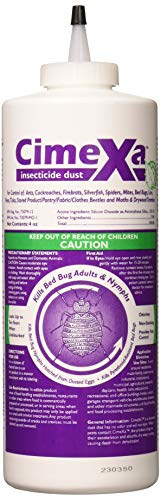
For control of bed bugs, fleas, ticks, lice, roaches, ants, firebrats, silverfish, spiders, mites and dry wood termites

Unmatched Control of Bed Bugs (Adults, Nymphs and Nymphs Hatched from Dusted Eggs)
When to Call a Pro Instead of Using a Fogger
If you notice persistent bites despite multiple treatments, see the infestation spreading to other rooms, or encounter heavy clutter that makes treatment difficult, it’s time to call a professional. DIY foggers have significant limitations—they often can’t reach bed bugs hiding in cracks, seams, or furniture joints. Using foggers may also push the pests further into your walls, making the situation worse. A licensed pest control operator can perform a thorough inspection, disassemble furniture if needed, and employ a combination of heat treatments, vacuums, and multiple pesticide applications over several visits. This coordinated approach is far more effective than relying solely on foggers.
If you live in an apartment, have a heavily infested couch, or suspect that your bed bugs are resistant to certain treatments, attempting to handle the problem alone can pose fire hazards and lead to wasted time. A professional can accurately assess the infested area’s scope and implement a comprehensive, strategic plan that foggers simply cannot provide, ensuring a safer and more effective resolution.

Efficient: Heats large items above 120℉ 50℃

Upgraded and reliable heating system that quickly reaches 120-155F in minutes and effectively treats bed bugs at all life stages

High-Temperature Bed Bug Treatment – 360° Full Coverage: This upgraded bed bug heater delivers 360° uniform heat penetration to eliminate bed bugs, mites, and insects on luggage, clothing, bedding, toys, and small furniture. High-temperature exposure kills bed bugs at 113°F within 90 minutes and almost instantly at 120°F—our chamber reaches 155°F in just 6 minutes for maximum efficiency