

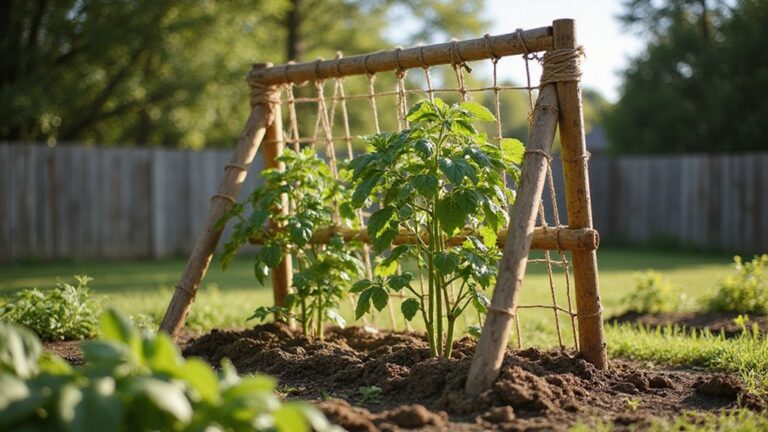
Worried about pests or bad weather damaging your crops? Building a simple, homemade crop cage can be an easy, chemical-free way to protect your plants.
You’ll decide whether to use lightweight PVC, sturdy wood, or durable metal, and choose the right mesh to block specific bugs or birds.
Keep reading to learn the step-by-step process for creating both small and tall cages.
Why You Need a Crop Cage in Your Garden
A crop cage provides essential protection for your garden by acting as a physical barrier against a variety of invaders. It effectively keeps out birds, rabbits, deer, and insects such as cabbage white butterflies and aphids, preventing them from damaging your plants. A fine mesh design allows sunlight, rain, and air to reach your crops, creating a microclimate that promotes healthy growth without trapping heat or moisture. Selecting the best chicken wire ensures durability against persistent chewing and weathering. For gardeners also dealing with large, wood-boring bees, a similarly efficient bee trap design can protect nearby structures.
This setup not only guards your plants from pests but also helps maintain optimal growing conditions. Proper airflow reduces the risk of fungal diseases and overheating, allowing your crops to thrive. By shielding fragile stems and tender young plants, a crop cage directs energy toward development and fruit production rather than damage control.
The benefits are clear: healthier plants with fewer chewed leaves or scarred fruits, resulting in better quality harvests. Since crop cages require minimal maintenance and do not rely on chemicals, they simplify garden management and increase your yield consistency over time. For persistent burrowing pests, a similar live trap method can be adapted for ground-level exclusion.
What Size Crop Cage Matches Your Growing Space
To choose the right size crop cage for your space, measure your growing footprint first. The bed or plot’s length and width will determine the maximum cage dimensions you can accommodate. Standard retail options range from 6 by 3 feet to 120 by 79 inches, so select a size that fits within these constraints. For a budget-friendly approach, you can build a custom frame using affordable chicken wire and simple wood stakes to match your exact garden dimensions. Match the cage height to your crop’s mature height: low cages measuring 47 to 60 inches work well for herbs, while taller walk-in cages of 71 to 79 inches are better suited for trellised crops. For additional protection, consider adding squirrel baffles to your cage design to keep pests away from your harvest. When investing in a larger structure, ensure the frame’s material is sturdy enough to support the added weight of pond netting draped over the top.
Remember to consider seed spacing when selecting your cage size. Large crops may need up to 12 inches between plants, whereas tomatoes usually require 2 to 3 feet between plants and 4 to 5 feet between rows. Additionally, the cage’s interior width should allow your mature plants to spread without pressing against the mesh. Leave enough space for easy access—using multi-door designs for mid- to large-sized cages ensures you can water, prune, and harvest comfortably without damaging stems or blocking pathways.

Large Metal Plant Protection Cage / Garden Cloche - This large metal plant protection cage measures 45"L × 23"W × 24"H, providing generous coverage for vegetables, flowers, herbs, and seedlings. Once assembled, it creates an enclosed protective space that helps prevent rabbits, squirrels, chipmunks, and birds from entering, keeping plants safely protected.

3-Pack Metal Plant Protection Cages - This set includes 3 metal plant protection cages, each measuring 40" L × 20.5" W × 10" H, designed to protect vegetables, flowers, and young plants in outdoor gardens. These outdoor metal plant cages provide effective plant protection from animals during early growth stages.

Complete Set: Includes 8 panels (24" H x 28.5" W) and 9 stakes (29.5" L), providing comprehensive protection for your garden.
PVC vs. Wood vs. Steel: Which Frame Material Is Best
PVC is a lightweight, moisture-proof material that won’t rot in contact with soil, making it a popular choice for crop cage frames. It is easy to assemble with basic tools and requires only rinsing to keep it clean. However, its lower rigidity can be a drawback in windy conditions, as it may bend or sway more than heavier materials. PVC also tends to be less durable over many years, especially if exposed to harsh weather, which can lead to cracks or breaks. For gardeners dealing with rodent pests, similar principles of setting a trap safely apply to securing your garden perimeter. Overall, it’s ideal for budget-friendly, temporary, or small-scale projects where ease of use and moisture resistance are priorities. Unlike coyote attractants, such as coyote urine, which can draw unwanted wildlife, PVC frames do not lure animals and remain a neutral choice for garden protection. To maintain a pest-free environment without attracting insects, consider using a DIY gnat trap built from cheap materials that relies on scent rather than vinegar.

High Quality: Made of plastic material, the fitting is able to withstand impact, not easy to crack or break.
![M METERXITY 12 Pcs 11mm Greenhouse Frame Building Connectors, 4 Way Right Angle Pipe Fitting for Grape Trellis/Sunscreen Shed/Gardening Plant Stakes, Greenhouse Accessories [Black]](https://m.media-amazon.com/images/I/416pa8b2nBL._SL500_.jpg)
[Multipurpose Use] - Suitable for flower stands, greenhouse frame construction, sheds, tent connections, tomato support frames and so on. You can DIY a suitable frame structure through different assembly methods
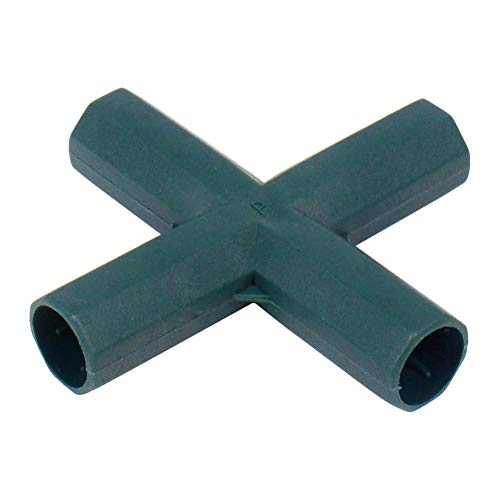
Compatible with 16mm OD Poles - Designed for 16mm outer diameter metal poles, 16mm CPVC pipes, and some 16mm garden stakes. Ideal for repairing greenhouse frames or building lightweight structures. Note: not compatible with 1/2” PVC Schedule 40 water pipes.
Choosing the Right Mesh Size for Your Crop Cage
The ideal mesh size depends on the smallest pests you aim to exclude. For tiny insects like thrips or flea beetles, choose ultrafine mesh with openings of 0.3 to 0.6 millimeters. This size prevents these small pests from passing through but also reduces airflow and makes cleaning more necessary. For larger pests such as cabbage root flies, a mesh with openings around 1.3 to 1.4 millimeters effectively keeps them out while maintaining decent ventilation. If protecting birds, use mesh with openings between 15 and 28 millimeters; however, ensure that foliage does not touch the net, as this can allow butterflies and other insects to bypass the barrier. Consider durability too—heavier-duty meshes resist chewing by mammals and withstand handling and weather. Regular pest monitoring allows you to identify if small insects are slipping through. In that case, you can tighten or upgrade your mesh to better suit your needs. Selecting the right mesh size is about matching the smallest pest you want to exclude with the mesh opening, balancing pest protection with airflow and durability. For larger mammals, you can choose hardware cloth with small openings to prevent chewing and digging through the cage. Additionally, always follow safety precautions when using any pest control products near your garden or crops.

Defend Against Unwanted Visitors: Gardening is a rewarding and fulfilling endeavor, and you'll watch your plants grow from nothing to maturity before you finally harvest them. Once the plants begin to flower and bear fruit, these unwelcome visitors visit your garden and often leave a trail of destruction. Garden netting is the best choice for protecting your plants

1 sheet of 99.9% pure copper woven wire mesh, 13 x 39.4 inches (33 x 100 cm), 40 mesh with 0.5mm openings and 0.15mm wire diameter; soft and malleable enough to cut with household scissors — edges are fine, gloves recommended for extended handling

【Upgraded Fine Mesh Netting】This fine mesh garden netting uses 0.7*0.8mm high-density garden insect netting to block, birds, and small animals, offering reliable plant protection netting for vegetables and flowers
How to Anchor Your Crop Cage So It Won’t Blow Away
To keep your crop cage from blowing away, you need to anchor it deeply and securely. Drive rebar stakes 12 to 18 inches long into the ground at every corner and every 3 to 4 feet along the long edges. This spacing ensures the cage remains stable and prevents tipping. In sandy soils, opt for 24-inch ground posts instead, as they provide better soil stabilization. Install the anchors in slightly moist soil to maximize holding power, and then tug the frame firmly. It should have no noticeable play or movement. For persistent wasp issues nearby, the same anchoring stakes can be secured using a spray for wasp nest to deter pests from building on the structure.
Bury the cover’s edge in a shallow trench and backfill with soil to block wind entry from underneath. Adding sandbags or bricks around the perimeter provides additional weight, making it harder for wind to lift the cage. Peg the sides every 50 to 60 centimeters to reduce flapping and keep the cover taut. Clamp the cover at each hoop to prevent slipping, ensuring the entire structure stays grounded through gusts and breezes. For maximum stability in loose soil, use a Macabee gopher trap anchoring technique that involves driving stakes at opposing angles to resist lifting forces. For added protection against moisture-related decay, consider that mosquito dunks last for about 30 days in standing water, which can guide how often to check nearby water sources for pest breeding.

Product Specification:The premium rebar stakes are 16 inches long with a 3/8 inch thickness, featuring a flat top and chisel-point end. Each package contains 16pcs garden stakes

【Heavy-Duty Holding Power】Each stake is approximately 12" long; 3/8" diameter; hook is 5/16 inch. Engineered for maximum security, these heavy-duty rebar stakes provide unwavering support, ensuring everything stays firmly in place, even in windy conditions.

Sturdy & Dependable: Built with a 5/16 inch (8mm)diameter steel rod, these tent stakes heavy duty are 1.95x stronger against bending than standard 1/4″ j hook rebar stakes, 20x stronger than aluminum stakes. Thin metal stakes fold after just 3 hits with a hammer in hard or rocky soil. Ours? Hit again and again, still dead straight. Gives you peace of mind on every trip
Build a Simple 2×2 Wooden Crop Cage
To build a simple 2×2 wooden crop cage, start with four weather-resistant cedar corner uprights. Attach these to a top and bottom frame made of sturdy rails to form a rigid rectangular structure. Assemble the base first and then secure the vertical posts with exterior screws and glue for added strength. Once the vertical posts are in place, attach the top frame to ensure the cage maintains its shape and stability.
Add horizontal slats at multiple heights inside the frame. These support the mesh and help keep the structure stiff and square. Before installing the mesh, consider your plant spacing and terrain. Match the footprint of the cage to your crop area to avoid excess material and wasted space. Prepare the soil by leveling the ground and removing any debris to create a stable foundation. Stretch fine mesh tightly over the entire frame and secure it with staples or wire ties, making sure there are no sagging areas. For additional pest protection, apply insecticide dust around the base to target burrowing wasps like cicada killers. The legs are embedded into ground holes for support, filled with soil and compacted to prevent movement. Include a side access door with hinges and a latch for easy watering and harvesting, ensuring it can be opened and closed securely to keep pests out. For trees near the cage, consider adding a squirrel baffle to the trunk to prevent squirrels from climbing over and accessing the mesh from above. This straightforward build will protect your vegetables from birds and pests while maintaining a lightweight and manageable structure.
Build a DIY Walk-In Cage for Tall Crops
A 2-meter-tall frame provides ample headroom to stand, prune, and harvest with ease. This height helps you avoid stooping and wresting with netting, which can be tiring over time. A full-height doorway allows you to roll a wheelbarrow or cart directly inside, simplifying transportation of tools and harvested crops. Using lightweight materials like aluminum tubing or reinforced PVC makes constructing and adjusting the frame easier, while extra bracing mid-span prevents sway and maintains stability. Taut bird or butterfly netting stretched over the roof and sides creates a full enclosure that keeps pests out. Anchoring the base deeply with ground spikes counters wind forces and ensures the structure stays upright. This enclosure not only reduces pest access but also minimizes evaporation around taller plants, helping you conserve water while irrigating efficiently. To maintain chemical sprayers inside the cage, it helps to understand fogger longevity factors such as pressure leaks and nozzle clogs that reduce effectiveness when stored without a battery. Before spraying any pest deterrent inside the cage, always relieve the built-up pressure by opening the pump sprayer’s lid slowly and away from your face to prevent accidental chemical exposure. For a chemical-free alternative, you can apply a homemade garlic spray directly onto the crop foliage as a natural deterrent inside the enclosure.
How to Clean, Repair, and Store Your Crop Cage
Start by inspecting your crop cage thoroughly. Look for tears, holes in the netting that could let pests in, loose joints, or signs of rust on metal parts. Repair small tears immediately by patching them with durable netting or repair tape to prevent pest intrusion. If you find rust spots, remove them with a wire brush and touch up with rust-resistant paint to extend the cage’s lifespan. Replace any missing or damaged bolts with stainless steel hardware to resist corrosion. For severe pest issues, wasp spray is not recommended for use on crop cages due to its toxicity to plants and beneficial insects.
Before storing, disassemble the cage if possible. This makes handling and storage easier and safer. Keep all components in a dry, protected storage area such as a garage or shed, ideally away from direct sunlight to prevent UV damage. Store the netting separately from the frame to avoid snags or tears. To keep track of hardware, put all fasteners into a labeled bag or container so reassembly is straightforward when next needed. Proper cleaning and organized storage will help keep your crop cage in good condition for many growing seasons.