

If you’ve ever wondered how to use a bug bomb properly to clear out pests without risking a fire or exposing yourself to chemicals, you’re not alone. Getting it right the first time is crucial for safety and effectiveness.
By following some simple, essential steps—like clearing the area and ventilating thoroughly—you can ensure the treatment works while keeping everyone safe.
The full details on how to do it correctly are just a few lines below.
What Is a Bug Bomb and When Should You Use It?
A bug bomb is a total-release fogger, an aerosol canister designed to flood an enclosed space with insecticide. It targets pests like roaches, fleas, and ticks by distributing the chemical throughout the area, reaching hard-to-access spots. Use a bug bomb only in large, open spaces such as attics or garages, where the chemical can disperse effectively. Be sure to follow the exact room size and canister limits specified on the product label to avoid overuse. Do not deploy a bug bomb in small, cluttered areas like closets, as the aerosol cannot penetrate dense objects or confined spaces. After activation, you must vacate the space immediately and stay out for two to four hours to allow the chemicals to work and settle. For targeting specific flying pests like fruit flies, consider using fruit fly traps instead, which are designed for localized infestations. For larger wood-boring pests, consider carpenter bee traps as a targeted alternative to foggers. However, note that a bee suit does not reliably shield you from wasps, as the mesh gaps often allow aggressive wasp stingers to penetrate. Proper use is crucial to ensure safety and effectiveness, and overusing or misusing a bug bomb can lead to incomplete pest eradication or health risks.

For Use Only on Ornamental Crops and Growing Crops in Commercial Greenhouses
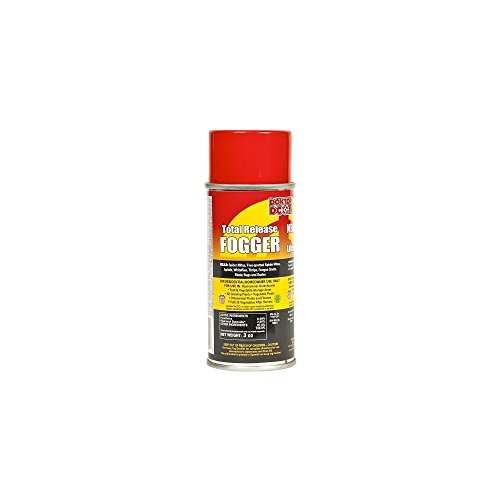
VERSATILE PEST CONTROL: Effectively manage infestations of fungus gnats, spider mites, aphids, whiteflies, scale, mealy bugs, and thrips in greenhouses and indoor gardening spaces.

Broad Spectrum Pest Control: This powerful insecticide is designed to kill a wide variety of pests, including Angoumois Grain Moths, ants (excluding Carpenter, Fire, and Harvester ants), booklice, carpet beetles, chocolate moths, cigarette beetles, clothes moths, clover mites, cockroaches, confused flour beetles, crickets, drug store beetles, earwigs, fleas, gnats, grain mites, granary weevils, hornets, house flies, Indianmeal moths, Mediterranean flour moths, millipedes, mud daubers, red flour beetles, rice weevils, sawtoothed grain beetles, silverfish, small flying moths, sowbugs, southern house mosquitoes, spiders (excluding Brown Recluse), ticks, wasps, and yellowjackets.
Step 1: Remove People, Pets, Food, and Ignition Sources
Before activating a bug bomb, you must remove all people, pets, and any items that shouldn’t be exposed to the insecticide. This includes covering or moving fish aquariums, as well as all food, dishes, utensils, and drinking water to ensure chemical safety. Additionally, remove plants, toys, and belongings of children and pets. For effective outdoor coverage of high areas like roof lines, consider using a pump sprayer 30 feet reach instead of a fogger. You also need to eliminate all ignition sources—such as pilot lights, open flames, and electrical appliances that turn on or off—by turning off gas valves if necessary. Regular pump maintenance helps prevent equipment failure during use. Keep the fogger at least six feet away from heat sources to prevent accidents. After activation, leave immediately and do not re-enter until the full wait time specified on the label, usually between two and four hours, has passed, followed by thorough ventilation. For treated outdoor areas, tree guards can protect young plants from wind and pests after the fog dissipates.

【✔Dual-Function-Fountain & Aerator】The 2-in-1 floating fountain fuses stunning visual water displays with practical functionality, 1200GPH water pump to delivers efficient aeration and water circulation to boost pond water quality and maintain a healthy aquatic ecosystem, transforming your pond/lake/water garden into a vibrant focal point day and night.

Beautiful Backyard Fountain Display – Perfectly designed to enhance ponds, pools, and water gardens with an elegant outdoor water fountain display. Ideal for adding visual interest and aeration to any freshwater landscape.

CATEGORY 1 THREE-POINT HITCH DESIGN: Engineered to mount directly to Category 1 tractor three-point hitches, offering heavy-duty stability and performance for small- to mid-size farm tractors.
Step 2: Close Windows, Turn Off Pilot Lights, and Position the Canister
To prepare the area for fogging, you need to close all windows and doors after clearing the space of people and pets. This creates a sealed environment that keeps the insecticide fog concentrated where it’s needed. Next, shut doors to the treated area and close vents to minimize insecticide drift. For ignition safety, turn off all pilot lights, shut gas valves, and extinguish open flames. Also, unplug appliances that cycle on and off, such as refrigerators, to prevent sparks that could cause a fire.
For canister positioning, place the fogger in the center of the room on a raised, stable surface like a table or stool. Ensure the area is free of furniture or plants that could block the fog. Keep the canister at least six feet from any ignition source to reduce risk. Once the fogger is correctly positioned, you are ready to activate it.
Why You Must Leave Immediately After Triggering the Bug Bomb
Once you trigger the bug bomb, you must leave the treated area immediately—no exceptions. Staying even for a moment puts you at serious risk of pesticide exposure. The fogger releases a concentrated mist that quickly disperses throughout the space, and inhaling even small amounts can cause health issues. The CDC and EPA warn that delayed evacuation increases the chance of breathing in toxic droplets before they settle. It’s especially important to keep children and pets away during this critical evacuation. Leaving promptly minimizes inhalation of hazardous aerosols and ensures you follow the label instructions. After exiting, close the door to contain the fog and prevent others from entering. As with havahart trap safety, quick and decisive action following label instructions safeguards everyone from unnecessary exposure and potential harm.
How Long to Stay Out and When It’s Safe to Return
Your safety depends on adhering strictly to the container’s instructions. After fogging, don’t rush back inside immediately. Typically, you need to stay out for a specific period—often 4 hours—and then air out the space for an additional time, which can range from 1 to 2 hours. Enter only once both the no-entry window and the ventilation time are fully completed. Always follow the label precisely because it provides the essential steps for safe reentry.
How to Ventilate and Clean Up After a Bug Bomb
Once the no-entry time of the bug bomb has passed, open every door and window you can to vent out any remaining fumes. Use fans pointed toward open windows to help push contaminated air outside, and open opposite windows to create cross-ventilation, which accelerates air exchange. For additional ventilation, turn on kitchen and bathroom exhaust fans, and if labels permit, open cabinets or closets to help chemicals escape from hidden spaces. Keep this airflow going until the chemical odors and haze disappear completely, ensuring the space is thoroughly aired out before reentry.

Powerful Airflow: Delivers strong airflow up to 130 CFM, efficiently enhancing ventilation and removing exhaust; Ideal for grow tents, greenhouses, basements, bathrooms, kitchens, attics, and workshops

【25W Solar Panel & 8-Inch】Our 8" solar fan for chicken coop is equipped with 25W high-efficiency solar panel with adjustable brackets, photovoltaic conversion efficiency of up to 21.5%, The solar exhaust fan can achieve 2300 RPM high-speed rotation, 430 CFM high airflow, ensuring a greater airflow. With its high airflow and low noise, the greenhouse fan solar powered operates at full speed with a noise level of only 36 decibels.

Fits directly on 3'' pipe and in 4'' pipe (abs/pvc)
Big Risks of Skipping the Rules (Fires, Explosions, Illness)
Removing safety precautions when using bug bombs significantly increases the risk of fires, explosions, and serious health issues. Since bug bombs contain flammable aerosol propellants, failure to follow safety rules can cause these hazards. For example, leaving pilot lights on, sparking sources nearby, or overusing foggers creates fire risks. Vapors can accumulate in small, enclosed spaces and ignite if they come into contact with a heat source, leading to burns or property damage. Just as proper fence tension requires careful tool spacing and correct fixings to avoid weakening the structure, following every safety step with bug bombs prevents dangerous failures. Health risks are equally severe. Breathing in the fog can trigger asthma attacks, nausea, dizziness, or throat irritation. Direct contact with the chemicals can harm your eyes and skin. CDC data indicates hundreds of injuries and illnesses stemming from improper use of bug bombs. For a safer alternative to covering small areas, consider building a DIY gnat trap using cheap materials to capture pests without releasing flammable aerosols. Always follow label instructions carefully. Skipping safety steps puts you and others at unnecessary risk of preventable injuries and health problems. For example, using an old or expired canister could reduce efficacy, as wasp spray can lose potency over time when its active ingredients degrade.
Common Mistakes to Avoid Next Time You Use a Fogger
Never guess the number of foggers needed for a room. Match the exact room volume to the fogger label’s recommendations to ensure effective pest control and compliance. Using more foggers than directed doesn’t increase effectiveness; it only leaves excess residue and raises exposure risks. Proper preparation is essential: remove all food, utensils, and toys, then cover or clear surfaces before activating the fogger. Stay out of the treated area immediately after activation, and keep pets away until the label’s specified reentry time, usually two to four hours. Once it’s safe to return, ventilate thoroughly by opening windows and doors, and air out longer if any strong odor remains. Always confirm the space is free of residues and odors before resuming food preparation or contact with surfaces. Ventilation isn’t optional—it’s critical for a safe and effective DIY fogging experience. Similarly, a simple DIY squirrel baffle uses cheap materials and simple tips to improve pest control effectiveness around bird feeders.