


Deciding between chicken wire and hardware cloth often boils down to how much security you need and how tough the material should be.
Chicken wire is lightweight and easy to work with, but it’s less resistant to predators.
Hardware cloth is sturdier and designed to keep out animals like raccoons and weasels, lasting much longer outdoors.
Keep reading to see which option works best for your project.
What Is Chicken Wire, and How Is It Made?
Chicken wire is made from thin galvanized steel wire, typically ranging in thickness from 0.4 mm to 1.4 mm depending on the gauge selected. The manufacturing process involves weaving these strands into a hexagonal, twisted pattern that creates the distinctive diamond-shaped openings. This interlocking design allows the mesh to be easily bent and shaped without breaking. Manufacturers often apply a zinc coating through hot-dip galvanization, either before or after weaving, to improve corrosion resistance. Some products utilize a reverse-twist construction, which helps the mesh maintain its shape over time. In contrast, hardware cloth uses a stronger welded wire construction with smaller square openings, making it a more durable barrier for containing predators or pests. Overall, chicken wire is designed as a lightweight, flexible barrier suitable for simple containment, whether for poultry fencing or garden protection. For deer protection, however, chicken wire may be too flimsy, and a more robust option might be needed, such as using top tree guards designed specifically for that purpose. For general garden use, buyers often compare its quality and value against other mesh types in comprehensive reviews.
What Is Hardware Cloth, and How Is It Constructed?
Hardware cloth is a woven or welded mesh with square or rectangular openings, usually made from galvanized steel wire to enhance strength and prevent rust. It is manufactured using two primary methods: weaving wires together or joining them with resistance welding. Woven hardware cloth involves interlacing wires in a tight pattern, creating a flexible mesh that retains its shape well. Welded versions, on the other hand, join wire intersections through electrical resistance welding, resulting in a rigid and uniform grid. The wire gauge typically ranges from 19 to 23, with lower numbers indicating thicker wire. After fabrication, the mesh undergoes hot-dip galvanization with zinc, sealing the steel and providing excellent corrosion resistance. You can purchase hardware cloth in rolls or sheets, with mesh counts like 2×2 or 4×4, giving you a sturdy, durable barrier suitable for outdoor enclosures. This type of mesh is especially effective when used as part of top bee traps for preventing carpenter bees from nesting. For a successful installation, correct spacing and fixings are critical to avoid weak points that compromise the barrier’s integrity. To ensure safe handling during setup, always wear gloves to protect against sharp edges and follow safety precautions for using cutting tools.
Why Hardware Cloth Blocks Predators (and Chicken Wire Doesn’t)
Hardware cloth stays rigid under pressure because it uses welded intersections, unlike chicken wire’s twisted strands that tend to flex or bend. This rigidity makes it much harder for predators like raccoons, dogs, or foxes to deform the barrier and pry their way in. For a durable installation, using self-tapping screws ensures that the mesh stays flush against metal surfaces without stripping the frame. Chicken wire’s flexible mesh allows animals to spread the gaps with their paws, snouts, or teeth, which makes entry far too easy. Small predators such as weasels can exploit these weak points, slipping through or tearing the netting apart at joints or large openings. Hardware cloth’s tight, welded grid resists deformation, preventing even the smallest animals like snakes, rats, and mice from squeezing through or breaking the barrier. Chicken wire’s flexibility means it often tears at contact points where claws or teeth exert pressure over time. While chicken wire might help with containment, it does not provide the strong, secure exclusion that hardware cloth offers. For effective predator-proofing, hardware cloth’s welded, sturdy design is essential. A DIY rabbit repellent spray can also add a chemical barrier to further protect gardens from persistent pests. Similarly, a bee suit provides tested protection against wasps by using dense, sting-resistant fabric rather than flexible mesh that pests can breach.
Mesh Size: 1-Inch Hexagons vs. 1/2-Inch Squares
A 1/2-inch square mesh provides a much tighter barrier than 1-inch hexagons, effectively blocking most small predators. The smaller square openings prevent animals like rats and snakes from slipping through, even when they push or try to squeeze through. Its welded intersections maintain their shape under pressure, ensuring the mesh stays rigid and secure. This makes it suitable for agricultural fencing around poultry runs and rabbit enclosures where a reliable, fixed barrier is essential. In contrast, the 1-inch hexagonal mesh is more fragile due to its twisted wire construction, which deforms under pressure and widens gaps. It’s only appropriate for lightweight decorative fencing or temporary containment, not for serious predator deterrence. For spider control, wasp spray is not a proven solution for killing black widows and requires safer alternatives. When choosing fencing, consider the size of the pests you want to keep out—smaller openings mean better protection. For long-term durability, a 19 gauge wire provides superior strength and resistance to bending compared to lighter options. To address severe indoor roach problems, a bug bomb can effectively target hidden infestations in hard-to-reach areas.

Versatile Garden & Animal Fencing:For garden borders, vegetable gardens, chicken runs, rabbit pens, poultry enclosures, raised beds, and outdoor DIY projects

Material and size: The size of the hardware cloth is 16 inch×50 ft and 1/2 inch×1/2 inch thickness, adopt 19 guage hot-dipped galvanized material

Versatile Garden & Animal Fencing:For garden borders, vegetable gardens, chicken runs, rabbit pens, poultry enclosures, raised beds, and outdoor DIY projects
Best Uses for Chicken Wire in Your Yard
Chicken wire is versatile for various yard projects. You can easily create fencing that keeps rabbits and squirrels out of garden beds while allowing sunlight and air to pass through. It also serves as a perfect trellis for climbing plants like peas or cucumbers, supporting vertical growth and conserving space. Shaping it into domes makes effective seedling cloches, shielding young plants from critters and weather conditions. You can also roll it into bins for compost or leaves, with open mesh promoting airflow for quicker decomposition. For added aesthetic appeal, craft rustic wreaths or decorative borders to enhance your outdoor space. Its flexibility makes it ideal for DIY projects such as creating planter shapes or privacy screens, providing an affordable and adaptable material for many creative uses. Unlike heavier barriers, chicken wire is typically made from thin, galvanized wire that is easy to cut and bend for lightweight fencing tasks. For targeting persistent pests, you may need to pair chicken wire barriers with live trapping techniques to effectively remove chipmunks from your yard. When handling chemicals such as pesticides or herbicides in the yard, it is important to select chemical resistant gloves to protect your skin from harmful substances.
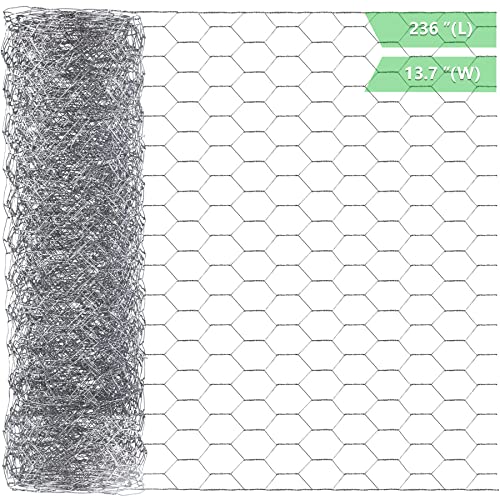
【Large Size】Each mesh is 13.7 inch (width) x 236 inch (length) / 0.35 m x 6 m, 0.8 x 1.38 inch mesh. Wire fencing is long and wide enough to enable you to cut off any shape that you need

Longth Metal Chicken Wire Fencing Mesh - 24 Rifny chicken wire mesh measures 16.5" (H) x 60ft (L), both lightweight and sturdy, making it easy to shape, spliceable and cut to your desired specifications. 1 inch hexagonal fine mesh design(even the chicks cannot pass) provides optimal protection while allowing airflow. This chicken Fence is perfect for securing a large area, whether it's for vegetable garden and yard, chicken coop, Raised Bed or any other purpose

[CUTTABLE, SPLICEABLE] Chicken wire mesh measures 16.9 inches x 32.8 feet, which is suitable for large areas. Galvanized chicken wire is soft and flexible but stronge. It is bendable and easy to cut. You can also join mesh together if the height is not enough. Chicken wire fencing is double hot-dip galvanized for maximum rust protection and longer life. Designed with double twist hexagonal, chicken fence is more durable and less likely to break
Where Hardware Cloth Is the Only Safe Choice
Hardware cloth is the only safe choice when you need to prevent small, determined predators from gaining access to your poultry or livestock. Its ¼-inch mesh size effectively blocks raccoons, weasels, and rats from reaching through vents, windows, or pop-door frames. For ground-level protection, bury the hardware cloth at least 12 inches deep or create an outward 18-inch apron to stop digging animals like foxes and dogs from tunneling underneath. Unlike chicken wire, which has larger openings and can cause injuries as animals push their heads or snouts through, hardware cloth provides a sturdy barrier. In contrast to mosquito bits, which are designed for yard insect control and offer no structural defense against animals, hardware cloth delivers impenetrable physical protection. Made from galvanized 19-gauge wire, it resists tearing and chewing, making it the best option in situations where loss is unacceptable. To ensure safe handling during installation, wear gloves and follow the safety precautions outlined for wire-based barriers. Regular cleaning of the hardware cloth with a gentle washing solution helps maintain its protective integrity and prevents corrosion from buildup. Secure the hardware cloth with screws and fender washers every few inches; even a small gap can compromise your entire setup.

Heavy-Duty Hot-Dipped Galvanization: Our low-carbon steel hardware cloth undergoes professional hot-dipped galvanization for a uniform coating without bubbles. Pre-tested for salt spray, it ensures durable corrosion resistance, lasting through years of outdoor use without needing replacements.

Premium Heavy-Duty Construction: Crafted from high-quality low-carbon steel wire with hot-dip galvanized coating applied after welding for maximum durability. Our 1/4" 23-gauge hardware cloth (12" x 35ft roll) offers exceptional strength while remaining flexible enough for easy installation. Resists breaking, bending, and warping for long-lasting performance

Galvanized hardware fabric roll size - Galvanized hardware fabric roll 12in x 10ft, 1/4 inch mesh 23 GA.
Is Hardware Cloth Worth the Higher Price?
Hardware cloth is worth the extra cost when you need a durable barrier that won’t buckle under pressure. Its welded grid construction offers high resistance to tearing and chewing, preventing predator breaches and reducing the need for repeated repairs. While chicken wire is more flexible and easier to shape, it is also weaker and more susceptible to being bent or gnawed through by determined animals. Investing in hardware cloth for permanent enclosures means fewer replacements over time, ultimately saving you money and protecting your animals more effectively. For example, while some people use coyote urine as a scent deterrent, it is not a reliable physical barrier against skunks or other persistent predators. Similarly, mosquito dunks provide an effective biological control for standing water but do not substitute for a secure mesh barrier around a pond perimeter. For decorative or light-use runs, chicken wire remains a cost-efficient choice, but for security and longevity, the higher price of hardware cloth is a smart, long-term investment.

DUAL LAYER PROTECTION – GALVANIZED + PVC COATED HARDWARE CLOTH: This black hardware cloth / black chicken wire fencing is built with hot-dip galvanized steel wire and PVC coating, providing dual protection against rust and corrosion. Stronger than standard chicken wire, chicken wire mesh, and coated chicken wire, making it ideal for long-term outdoor use.

Prevent Predators:2 roll chicken coop predator proof apron total about 11-5/8in W x 65 ft L, expertly designed to effectively block predators.Extending the wire mesh to the bottom of the coop prevents predators from digging their way in
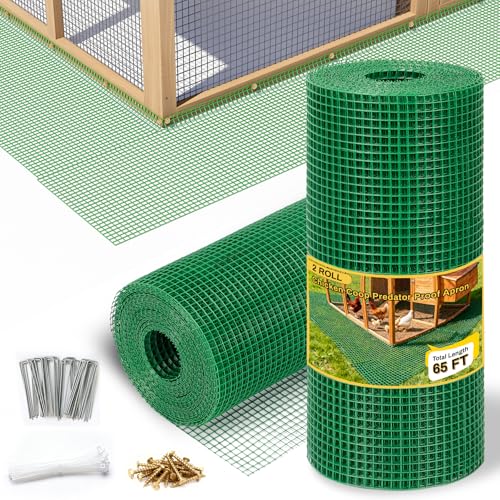
Keep Out Predators: This chicken predator apron is designed to prevent predators from digging under the chicken coop.Place wire mesh around the bottom of the chicken coop to effectively prevent predators from burrowing their way in.
Which Material Lasts Longer Outdoors?
Galvanized hardware cloth lasts significantly longer outdoors than standard chicken wire. While you may need to replace chicken wire every 3 to 5 years, especially in wet climates where its thin wire and twisted construction degrade quickly, hardware cloth can last 10 to 20 years under typical outdoor conditions. Its thicker, more durable wire resists rust and physical wear, reducing the need for frequent repairs. In coastal or high-humidity environments, PVC-coated or stainless steel options extend lifespan beyond 25 years. In contrast, chicken wire tends to tear and rust much sooner, making it a less durable choice for long-term outdoor use.
Which Should You Buy for Your Chicken Coop?
Hardware cloth is your best defense against predators in the chicken coop. With small openings of 1/4 inch or 1/2 inch, it effectively blocks raccoons, foxes, and weasels that can chew through chicken wire. You can also use it as garden fencing for vents, windows, and runs, making it a versatile barrier. This product features a hot-dipped galvanization process post-welding to enhance rust resistance and longevity.
For overnight security, avoid chicken wire. Instead, install hardware cloth with screws and washers, and bury it at least 12 inches deep or extend an apron of 18 inches to prevent digging predators from undermining the barrier. All vulnerable openings should be covered with hardware cloth for maximum protection. If you’re working within a budget, reserve chicken wire for noncritical barriers and prioritize hardware cloth on every entry point. It’s the safest choice to keep your flock secure.
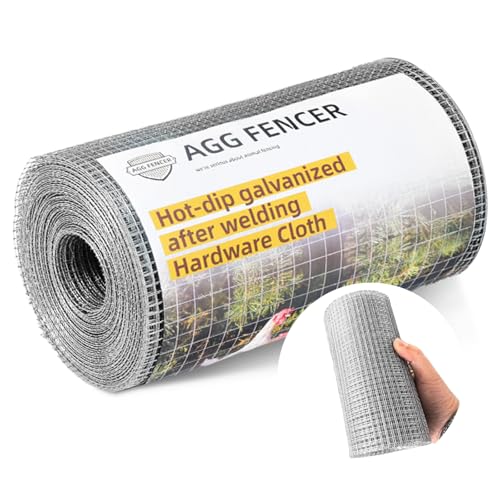
Product details: The length of this hardware cloth is 8 inches/ 20.32cm, the width is 25ft/ 7.62m, and the hole size is 1/4 x 1/4inch. It is very suitable for repairing damaged chicken coops, gaps under houses and other small-sized damaged holes

【Size Specification】Size of our hardware cloth is 16 inches wide by 20 foot long, wire 1/4 inch thick, and 23 gauge.
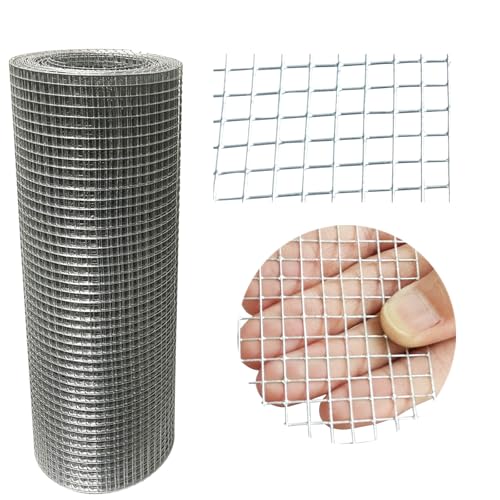
High Quality : Our hot dip galvanized after welding hardware cloth roll is made of low carbon steel wire which determines the high quality of this welded wire fencing hardware cloth 1/4 inch 12in x 20 ft. This hardware cloth chicken wire cloth is strong, easy to unfold, and not easy to break. pack:A roll of hardware cloth