


Struggling with pesky mosquitoes and wondering how to get rid of them naturally? A simple DIY CO₂ mosquito trap can help you do just that, by attracting mosquitoes with a scent they find irresistible.
In just minutes, you can build an effective trap using common household items, making your outdoor space more comfortable.
Keep reading to see how you can assemble and optimize your own mosquito trap at home.
Why CO2 Traps Beat Other DIY Mosquito Killers
CO2 traps outperform other DIY options because CO2 closely mimics the primary host cue that mosquitoes rely on—your breath. This makes CO2 a far more effective attractant than light, scent, or heat-only lures, which often attract only a limited range of species. CO2 acts as a universal, long-distance orientation signal, guiding mosquitoes toward you by exploiting their natural host-seeking behavior. When mosquitoes detect CO2, their sensitivity to skin odors increases, intensifying their drive to find a blood meal. Unlike traps that depend solely on light or scent, CO2 traps significantly increase the number of mosquitoes caught—in some cases, six times more *Culex* and more *Aedes* mosquitoes. They are also more selective for blood-feeding insects, reducing bycatch of non-target insects. For those dealing with wasps, a bee suit offers insufficient protection because wasps can sting through most standard bee veil mesh. By targeting the strongest and most natural host cue, CO2 traps don’t just attract more mosquitoes; they attract the ones that are actively seeking a host, improving your chances of avoiding bites and reducing mosquito populations more efficiently. For example, top outdoor mosquito traps often integrate CO2 release with other features for effective mosquito control. For fungus gnat infestations, however, best mosquito bits provide a different targeted approach that works by releasing a biological larvicide.
What You’ll Need to Build a CO2 Trap in Minutes
To build a CO2 mosquito trap in minutes, start with an empty 2-liter plastic bottle. Cut the top off just below the neck to create a funnel shape, then invert it and place it back into the body of the bottle. This funnel guides mosquitoes into the trap while making it difficult for them to escape. Use scissors or a box cutter to make clean cuts, ensuring smooth edges to prevent injuries and improve assembly. Cover the outside of the bottle with black cloth or paint; this dark surface mimics shaded resting spots, attracting more mosquitoes. For larger traps, consider using a bucket and adjust the size of your opening accordingly, keeping in mind the layout of your garden to maximize effectiveness. Unlike other yard barriers that use different wire thicknesses, the 19 gauge vs 23 gauge distinction is irrelevant here because this trap does not require any hardware cloth. Unlike some traps, this DIY method does not require commercial bee traps for carpenter bees, as it targets mosquitoes instead. For a more professional approach, consider reading reviews on the best bug bombs for roaches if you are dealing with indoor roach infestations alongside outdoor mosquitoes.
To produce CO2, mix about 1 gram of active dry yeast with 1 cup of water and add a few tablespoons of sugar—white or brown. Pour this mixture into the bottle through a funnel for easy filling, then secure the funnel section with tape to prevent leaks. No fan or cylinder is necessary for this quick setup, making it a highly accessible and inexpensive way to deter mosquitoes right in your backyard.

DEFEND AGAINST PESTS: Protect up to 1 acre of outdoor space with powerful mosquito trap technology that targets flying insects including mosquitoes, no-see-ums, midges, and black flies for comprehensive pest control
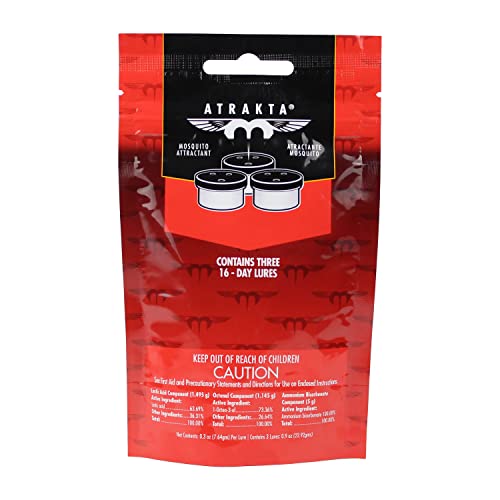
ATTRACTS MOSQUITOS: ATRAKTA attracts mosquitoes, including those which may transmit West Nile virus, Encephalitis, Zika virus, Chikungunya virus, to the trap where they die

Highly effective fly hunter: simply pour the outdoor fly traps for patio bait into the fly jar traps outdoor bottle, add warm water up to the water fill line, shake fly jar trap catcher well, and hang fly trap outside. Fly hunter will draw a significant number of flies and insect, make them unable to escape even with their wings
The Best Sugar, Water, and Yeast Ratio for Bait
The ideal bait mix for your DIY CO2 trap uses 1 cup of warm water, 4 tablespoons of sugar, and 1/3 teaspoon of yeast for a standard 2-liter bottle. This ratio promotes steady fermentation rather than a quick burst of CO2. Brown sugar often works better than white sugar because it supports longer CO2 output, making your bait more effective over time. Keep in mind that you don’t need much yeast—its primary role is to multiply quickly, while sugar provides the main fuel for fermentation. Focus on a concentrated sugar solution paired with a small amount of yeast for consistent results. Maintaining a warm temperature around the mixture encourages active fermentation, so place your trap in a warm spot. For those with larger yards, commercial mosquito bits provide an alternative method by targeting larvae in standing water to reduce mosquito populations. Refresh the bait every few days to keep the CO2 output strong and effective. For securing the trap components, consider using sturdy garden stakes to keep the bottle elevated and stable outdoors. Avoid using rotting meat as bait, as it attracts possums rather than providing the fermenting sugar CO2 source that most effectively targets mosquitoes.
Step-by-Step: Assemble the Bottle and Add Bait
After cutting your plastic bottle about a third of the way down, turn the top section upside down and insert it into the base like a funnel, ensuring the neck opening remains above the bait line. Before doing this, remove the cap to allow insects to enter through the neck. Handle the sharp cut edges carefully to prevent injury. Use a sturdy 2-liter plastic soda bottle for durability and ease of handling.
Pour the prepared sugar-yeast bait into the bottom half of the bottle. Fill it with just enough liquid to form a shallow pool, leaving the neck area clear of liquid. A typical mix includes 1 cup of warm water, 4 tablespoons of sugar, and 1/3 teaspoon of yeast. Allow the water to cool slightly after dissolving the sugar before adding the yeast. Keep the bait level low enough to maintain an air gap between the liquid and the bottle’s neck; this helps guide mosquitoes inward.
How to Seal Gaps and Wrap Dark Material for Better Catch
Sealing gaps and wrapping your trap with dark material significantly improves its effectiveness. Use sealing techniques such as Teflon tape on all connections and glue at the funnel-to-base edge to lock in yeast-produced carbon dioxide. Tight seals prevent CO₂ from escaping, which is essential because it is your primary lure for attracting pests. Without these seals, the scent plume weakens and your bait becomes less noticeable. For context, the Ultra Pro 900 also uses CO2 release as its primary attractant, mimicking human respiration to lure mosquitoes from up to 150 feet. Selecting the right materials for your trap’s structure is as important as sealing it, much like choosing the best fence posts ensures a stable chicken wire enclosure.
For material choice, wrap the sides of the trap in dark cloth or black paper. Mosquitoes are naturally attracted to dark, humid-looking environments, so a black exterior enhances the visual cue that indicates a safe, inviting space. Be sure not to block the entry path—the funnel opening must stay clear to allow pests access.
Secure the dark wrap firmly so it doesn’t shift or expose bright plastic surfaces, which could alert pests to the trap’s presence. Remember, while CO₂ is the main lure, the dark visual cue plays a supporting role in attracting pests from a greater distance. Use weather-resistant sealants and check your seals regularly to maintain effectiveness. A well-sealed, dark trap consistently outperforms ones with gaps and shiny surfaces that reflect light.
Where to Place Your Trap for Shade and Shelter
Place your trap where it’s sheltered from sun and strong airflow. Mosquitoes prefer shady, humid spots for resting and avoid open, windy areas. To maximize effectiveness, position your trap under trees, dense shrubs, or near fence lines—these locations mimic their natural resting sites. If you garden in an urban setting, place it close to mulch beds, leaf litter, or damp planting areas, where mosquitoes find cool, moist shelter. Avoid exposed decks and open lawn centers, which are too sunny and dry for resting mosquitoes. Instead, use hedges, covered patios, or create a simple overhead shelter to block sun and rain. Wind disperses attractants, so choosing a wind-protected spot—such as next to structures or thick vegetation—will keep the attractant plume concentrated. For standing water that cannot be drained, using mosquito dunks provides an effective biological control to kill larvae before they emerge. For alternative physical barriers, consider bird netting solutions that similarly block pests from accessing sheltered areas. This targeted placement enhances your trap’s catch rate and negates the myth that random yard locations are effective. Just as a skunk trap requires shaded and sheltered positioning to avoid stressing the animal, your mosquito trap benefits from the same principle to maximize resting site attraction.

𝗕𝘂𝗴-𝗣𝗿𝗼𝗼𝗳 & 𝗩𝗲𝗻𝘁𝗶𝗹𝗮𝘁𝗲𝗱: The EAST OAK portable pop-up screen tent features a 4-sided D33 fine mesh design for 360° perfect ventilation to protect you from mosquitoes, bugs and anything the outdoors can throw at you. The tent body is made of high-quality Oxford fabric with anti-UV silver coating to achieve all-day UPF 50+ UV protection. Perfect for picnics, camping, and the beach.

Automatic Pop-up: The fiberglass bracket automatically pops open without the need for assembly. Innovative folding technology, easy storage, suitable for travel and camping.

【Ultra-Lightweight Automatic Pop-Up Screen House Tent】Our patented automatic pop-up screen house tent weighs just 15 lbs - that’s 1/3 lighter than traditional steel-frame screen tents! The innovative fiberglass frame and folding mechanism require no tools or assembly, offering instant setup in under 30 seconds. Packs down to a compact 39" diameter for easy car trunk storage and transportation.
When to Refresh the Bait for Consistent CO2 Output
To keep CO₂ output steady, replace the bait on a regular schedule. For a standard sugar-yeast trap, plan to do this every 7 to 14 days, as that’s the typical bait lifespan. However, don’t rely solely on the calendar; watch for signs of slowed fermentation, such as reduced bubbling or a faded sweet smell. When bubbling nearly stops, the CO₂ output has dropped significantly, so replace the bait immediately. In smaller bottle traps, this may occur after just 3 to 7 days. During peak mosquito season, it’s best to shorten the interval to weekly replacements to ensure consistent results. Always rinse the container thoroughly between batches to prevent residue buildup, which can interfere with fermentation. If rain dilutes the bait or if the liquid appears cloudy or stale, swap it out sooner. For those who also manage rabbit issues, live rabbit traps can be an effective solution for humane removal. For durable trap construction, consider using garden netting for quality and value to protect the setup from debris. Monitoring bubbling is the simplest way to gauge bait freshness and CO₂ production, helping you maintain an effective mosquito trap. Hardware cloth can also be used to protect trap parts from larger pests.
Why This DIY Trap Won’t Solve Your Mosquito Problem
While a DIY CO₂ trap can catch some mosquitoes, it won’t eliminate your problem because it only targets one small portion of their life cycle. These traps primarily bait host-seeking females, but eggs, larvae, and pupae in standing water remain untouched. Ignoring source reduction means the trap cannot stop breeding entirely, as new adult mosquitoes quickly replace those caught. Additionally, many mosquito species are not attracted strongly enough to CO₂ alone; some ignore the trap when a real person is nearby, competing for attention. The environmental impact is minimal, but so is its overall effectiveness. For meaningful control, community effort is essential—working with neighbors to eliminate breeding sites like stagnant water ensures a more comprehensive solution. Without addressing the source, you only catch a few mosquitoes while the rest keep breeding unchecked. A similar principle applies here, as any trapping method works best when combined with proper trap placement to maximize its limited impact. For example, using a chemical spray like wasp spray to kill ants is similarly ineffective on a large infestation because it only deals with the adults you see, leaving the colony and its breeding sites untouched.
How to Upgrade Your Trap for More Mosquitoes
Boost your trap’s effectiveness by increasing its CO₂ output, aiming for around 0.3 liters per minute, which is suitable for targeting species like Aedes albopictus. Pair this CO₂ with a secondary attractant such as octenol, as combining these can significantly boost capture rates—sometimes two to five times higher. To optimize airflow, use a fan-assisted capture chamber and position the CO₂ release near the intake zone, ensuring the plume directs mosquitoes toward the entry point. Using pond netting as a protective cover for the trap opening can help keep debris and larger insects out while still allowing mosquitoes to enter. Keep the trap opening unobstructed to allow mosquitoes to enter easily after they orient to the CO₂ plume. Place your trap downwind of likely mosquito flight paths so the CO₂ carries toward them. Adjust the CO₂ flow starting from lower rates and test whether increasing it improves captures, since gains tend to plateau at higher outputs. Consider using a humane live trap design to avoid harming beneficial insects that might also be attracted to the CO₂ source. Maintain a consistent CO₂ supply and replace attractants regularly to sustain trap performance.

KILL & PREVENT: Kill adult mosquitoes in 9 days & their larvae in station & other places they lay eggs, preventing new mosquitoes from developing; provides more comprehensive control than traps, mosquito repellents, or repellers (Aedes and Culex spp)

Enhanced Mosquito Attraction: our yellow mosquito lure mimics natural CO₂ and human skin scents to draw mosquitoes into your trap, compatible with all insect bug zapper traps, boosting catch rates for both indoor and outdoor use

Dual Attraction Technology: The fan and blue light work together in this portable bug trap to attract and trap mosquitoes, fruit flies and house flies