


Got a fly buzzing around and wondering if wasp spray can handle it? The quick answer is yes, but only if you hit the fly directly—something that’s much trickier than it sounds.
Even then, it’s not a safe or effective method, especially indoors. Keep reading to find out why there are better ways to deal with flies and why skipping the spray can is often the best choice.
Does Wasp Spray Kill Flies? Yes, But Only on Contact
Wasp spray kills flies only upon direct contact. To be effective, you must accurately aim and coat the fly with the spray. If you miss, the fly remains unharmed. It’s a quick knockout tool, not a residual spray that continues to kill after application. Since it relies on immediate contact, you’re dependent on the fly landing near you or buzzing into your spray path. This makes wasp spray a reactive solution rather than a proactive trap, unlike carpenter bee traps that are designed to passively lure and capture pests without requiring precise aim. For those seeking a more passive approach, natural remedies like vinegar traps or essential oils are better options—they attract flies without requiring precise aim. By contrast, for managing pests like possums, effective strategies rely on bait ideas such as sweet foods or fish to lure them into traps passively. Remember, a single quick hit isn’t the same as comprehensive control; wasp spray simply isn’t designed for room-wide defense. Just like with termites, wasp spray only works on direct contact and offers no lasting residual protection. Its effectiveness is limited to those fleeting moments when you catch the fly in the act.
What Ingredients in Wasp Spray Actually Kill Flies?
The active ingredients in wasp spray that actually kill flies are primarily synthetic pyrethroids such as tetramethrin and permethrin. Tetramethrin, typically at around 0.10%, acts quickly to stun flies on contact, providing rapid knockdown. Permethrin, often at 0.25%, offers broad-spectrum insecticidal activity, ensuring continued control after the spray hits its target. These chemicals work together through chemical synergy, often paired with piperonyl butoxide (PBO) at 0.50%, a synergist that inhibits the fly’s detoxification enzymes and makes the pyrethroids more lethal. Some formulas may substitute prallethrin or cypermethrin or even utilize natural pyrethrins, but they all depend on these low-concentration pyrethroids and synergists to deliver fast and effective results. Inert ingredients are included primarily to help the spray reach the target more efficiently. Unlike broad-yard treatments, wasp spray is designed for direct targeting rather than spreading over a lawn, making it distinct from mosquito bits which are applied to standing water to control larvae. For comparison, a bee suit is designed to shield from wasps by providing a physical barrier against their stings and venom.

Mosquito spray that also kills hornets, wasps, yellow jackets, boxelder bugs, non-biting gnats

FLY SPRAY FOR SENSITIVE HORSES – Pyranha Nulli-Fly is a water-based fly spray formulated for horses with sensitive skin, offering powerful protection without irritation. It's ideal for use during daily turnout, training sessions, trail rides, or competitive events, delivering value and performance in every bottle

Bug spray that quickly kills flies, mosquitoes and gnats
When Direct Contact Works vs. When It Fails Against Flies
Contact control fails quickly when the fly moves unpredictably or takes to the air. Missing even by a small margin means you don’t get a kill, since contact depends on precise strikes. Strong drafts or cluttered spaces also interfere, causing missed shots and allowing flies to escape. Wasp spray isn’t meant for airborne targets—it’s designed for nests and stationary insects. Unless you hit a fly dead-on while it’s still, you’re wasting spray. Precise aim is critical; if you miss once, your chances of success drop significantly. Proper technique, like secure fence spacing, is irrelevant here because wasp spray lacks the residual barrier that a physical structure provides.

Two 14 oz cans of Raid Wasp & Hornet Killer Spray kill flying, stinging bugs on contact, including paper wasps, yellow jackets, mud daubers, bald-face hornets, and more

Raid Max Foaming Wasp & Hornet Killers fast coverage foam kills the entire wasp nest

Can You Get in Trouble Using Wasp Spray on Flies?
Using wasp spray on flies can lead to legal trouble if you don’t follow the instructions on the label. Federal law requires pesticides to be used exactly as directed by their labeling under FIFRA. If your wasp spray’s label does not list flies or specify indoor use, spraying it in that way violates the law. This isn’t just a technicality—misusing pesticides outside their labeled instructions can result in inspections, fines, or other enforcement actions. Indoor spraying poses the highest risk because most labels restrict or prohibit it, so you should always check your can carefully. If the label doesn’t match your intended use, don’t spray. Following the label ensures compliance and helps avoid potential legal issues.

BRIGHT AND VISIBLE – PESTICIDE LABELS: Say no to cross contamination and spillage with these brightly coloured and long-lasting warning signage. Highly visible, even when it’s dark and even when you are tired!

Kills all stages of listed insects, including eggs: Kills: Fruit Flies, Fungus Gnats, Stink Bugs, Thrips, Mites, Aphids, Beetles, Mealybugs, Moths, Scales, Armyworms, Ants (except Fire Ants, Harvester Ants, Carpenter Ants, and Pharaoh Ants), and other listed insect pests.

PROTECT YOUR HOME. Silverfish don’t stand a chance. The EcoPest Silverfish Killer Spray has been extensively lab-tested and shown to quickly kill silverfish by contact. Easily treat your home and say goodbye to silverfish once and for all. When tested against nymph-stage and adult silverfish, the spray resulted in a 100% mortality rate of subject silverfish pests within 30 minutes. Tested by entomologists, trusted by the pros.
Why Wasp Spray Is a Bad Idea for Indoor Fly Control
Using wasp spray indoors is a bad idea because it poses safety and health risks. Many labels specify “outdoor use only” or instruct you to close doors, leave the area, and ventilate before re-entering. Applying it inside a room exposes you to unnecessary chemical exposure, especially in small, occupied spaces. The residue from the spray settles on surfaces like counters, fabrics, and floors, creating a mess that requires extra cleaning. Since wasp spray is designed for attacking specific stinging insects outdoors or in open spaces, using it indoors for flies doesn’t effectively address the problem and can worsen indoor air quality. It increases airborne chemical exposure and contaminates indoor surfaces without tackling the root cause of the fly infestation. A much simpler and safer solution for outdoor pests is to build a DIY yellow jacket trap using cheap materials. For persistent rodent exclusion, hardware cloth offers a far safer outdoor solution than applying chemical sprays indoors. For protecting crops, consider using bird netting designed specifically for tomato plants.

INDOOR & OUTDOOR HOUSEPLANT CARE: Houseplant Insect & Mite Control provides insect control, plant mite control, and disease control all in one; Use to protect houseplants, flowers, and herbs indoors and outdoors
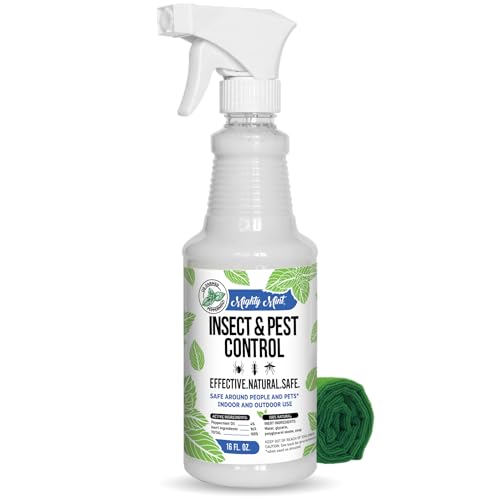
Pet-Friendly & Family-Safe Formula – Mighty Mint is a top pick for pet parents looking for a natural pest control solution. Safe to use around dogs, cats, and kids when applied as directed—no harsh fumes or dangerous chemicals, just powerful peppermint protection you can trust.

GNAT CONTROL FOR INDOOR PLANTS: This bundle includes our natural plant bug spray and 12 gnat sticky traps for plants; this powerful gnat spray for indoor plants kills fungus gnats, spider mites, and fruit flies; use it with our sticky traps for enhanced pest control, ensuring thorough coverage and effective elimination of bugs and pests in your home and garden; it's the perfect solution for getting rid of fruit fly and fungus gnats (please contact us if the traps are missing and we will send a replacement)
Three Safety Rules If You Try Wasp Spray on Flies
If you decide to use wasp spray outdoors to control flies, following three strict safety rules is essential. First, focus on chemical safety by carefully reading the label. Use only the specified amount and spray pattern, keeping the nozzle pointed away from your face, and ensure the spray does not drift toward people, pets, or food. Consider installing a squirrel baffle on bird tables to physically block pests from accessing food sources. For a more targeted indoor solution, consider using an indoor mosquito zapper that is designed to safely trap flying insects without chemicals. Second, minimize inhalation and eye exposure. Avoid breathing in vapors by staying upwind, wear eye protection to prevent splashback, and move to fresh air immediately if you inhale mist, as eye irritation can occur. Third, protect your skin and clothing by avoiding direct contact, washing exposed skin with soap and water right away, and removing contaminated clothes promptly. Keep children and pets away until the spray completely dries. Remember, treat this method as an emergency measure rather than a routine solution, and stop using it if you notice any signs of irritation. For a safer, more targeted approach, consider using pond netting to physically block flies from breeding near water features.
Better Alternatives That Actually Work Against Flies
The most effective way to combat flies is through sanitation and source reduction. Remove animal waste, decaying plant matter, and garbage regularly, as these attract flies and provide breeding grounds. Keep compost piles covered and empty garbage cans often, cleaning them thoroughly to eliminate larval food sources before adult flies hatch. For indoor spaces, install tight-fitting screens on windows and doors, seal cracks and gaps to prevent entry, and consider using air curtains to create a barrier against flies. For isolated flies, a flyswatter is a quick and simple solution. To monitor and trap flies continuously, sticky traps or UV light traps work without chemicals and can be placed strategically in problem areas. Natural repellents such as essential oils sprayed around doorways and windows can also help keep flies at bay. For outdoor control, biological methods like releasing parasitic wasps effectively reduce fly populations without toxic residues. Prioritize prevention through cleanliness and physical barriers, then apply targeted methods as needed for optimal results.

Catch Flying Insects 24/7: This plug-in flying insect trap uses blue & UV light to attract and catch house flies, fruit flies, gnats, and flying pests. Its continuous attraction helps catch insects day and night for everyday indoor flying pest control.

EFFECTIVE ATTRACTION: This plug-in fly trap indoor uses advanced UV LED light technology to naturally attract fruit flies, gnats, moths, and other flying insects for continuous 24/7 protection throughout your home spaces

Catch Flying Insects 24/7: This plug-in flying insect trap uses blue & UV light to attract and catch house flies, fruit flies, gnats, and flying pests. Its continuous attraction helps catch insects day and night for everyday indoor flying pest control.
The Bottom Line: Does Wasp Spray Kill Flies?
Wasp spray can kill flies only if the label explicitly states that flies are among the targeted insects. The key is to always check the product’s label before use. Wasp sprays typically contain pyrethroid ingredients that deliver a quick contact kill, which can be effective against some insects. However, if the label doesn’t list flies—such as houseflies, fruit flies, or cluster flies—then the spray is not designed to work on them. For example, spraying a wasp nest at the right time of day is critical for safety and effectiveness, but this timing does not apply to fly control. Using wasp spray on flies is not a reliable long-term control method. It’s mainly a tactical tool for immediate removal of wasps, not a comprehensive pest management solution. For effective fly control, opt for a dedicated fly spray or a trap specifically designed for flies. Always follow the instructions on the product label to ensure safety and effectiveness.