


If you’re wondering how rat bait stations actually work to keep pests at bay, you’re not alone. These tamper-resistant boxes safely contain poison and are placed where rats are active.
They encourage them to feed on bait that acts slowly and effectively. With proper use, they can reduce infestations while keeping kids and pets safe.
Keep reading to see exactly how to set one up and keep everything working smoothly.
What Is a Rat Bait Station and How Does It Work?
A rat bait station is a secure, tamper-resistant container designed to hold rodenticide safely. It allows rats to enter, feed on the bait, and exit without exposing the poison to children, pets, or wildlife. To effectively control rats, you place the station along walls or common travel routes where rats feel safe investigating. The bait inside is usually a slow-acting poison, such as an anticoagulant, which ensures rats consume enough before dying. After feeding, they leave the station and return to their nests. The delayed effect—often within a few days—means they die away from the station, reducing the risk of contamination. For those dealing with outdoor pests, spraying a wasp nest safely requires timing the treatment for dusk when wasps are less active and wearing protective clothing. Regular monitoring keeps the bait fresh and attractive, maintaining its effectiveness. Additionally, the enclosed design protects the bait from moisture and dust, helping it stay potent over time. Similar principles apply to managing other pests, such as using fruit fly traps that employ attractive scents and entry points to lure and capture insects. For a similar approach to pest exclusion, top bee traps for carpenter bees use specific entry holes and baiting techniques to target and remove the insects effectively.

KILLS MICE EFFECTIVELY: Tomcat Mouse Killer, Child & Dog Resistant, Disposable Stations use mouse bait blocks to tackle your mouse problem; each block kills up to 12 mice (based on no-choice laboratory testing)

RAT AND MOUSE BAIT STATION: Tomcat Rat & Mouse Killer, Child & Dog Resistant, Refillable Station is a reusable rat and mouse bait station with bait block refills that each kill up to 3 rats (based on no-choice laboratory testing)

Why Use a Bait Station Instead of Traps or Poison Baits?
A bait station offers a safer and more efficient method for controlling rodents compared to traps or poison baits. Unlike loose poison, a bait station encloses the bait, significantly reducing the risk to children, pets, and wildlife. This containment prevents accidental ingestion and minimizes environmental contamination since rodents cannot carry bait away, reducing the chances of secondary poisoning. For water features, similar protective principles apply when selecting best pond netting to shield fish and plants from debris and predators.
Bait stations are especially effective for large or hard-to-reach infestations. They allow multiple rodents to feed over time without the need for frequent resetting, unlike traps which often require individual catching and resetting. Ideal for hidden areas such as crawl spaces or dense corners, bait stations enable you to check bait levels easily without disturbing or handling dead rodents. They provide broad coverage with controlled delivery, making them a practical choice for sustained rodent management.

PREFILLED RAT AND MOUSE BAIT STATION: The Tomcat Rat & Mouse Killer, Child & Dog Resistant, Disposable Station is a bait station pre-filled with one bait block that kills up to 10 rats (based on no-choice laboratory testing)

PREFILLED MOUSE BAIT STATION: Tomcat Mouse Killer Child Resistant, Disposable Station is pre-filled with one bait block that kills up to 12 mice (based on no-choice laboratory testing)

EASY-TO-USE DESIGN: Disposable bait station mice solution is ready to use with no setup required. Simply place where you see signs of mouse activity for quick and effective control.
What Safety Precautions Do You Need for Bait Stations?
To ensure safety while using bait stations, follow these essential precautions. Always opt for tamper-resistant, lockable stations to prevent children and pets from accessing the poison. Place stations only where non-target animals and people cannot reach them, prioritizing community safety. Wear waterproof gloves when handling bait, and wash your hands thoroughly afterward to avoid accidental ingestion or skin contact. Clearly label each station with “POISON” to warn others about its contents. Regularly inspect the stations for damage or cracks, and replace any units that are compromised immediately. After dealing with rodents, promptly collect and dispose of carcasses to prevent secondary poisoning. Store unused bait in its original containers, kept away from food and out of children’s and pets’ reach. Following these precautions helps maintain an effective pest control strategy while keeping your household and environment safe.

What you get: Set of 6 Tomcat Outpost rat bait stations (8.5" x 7" x 5" each) with lockable, tamper-resistant design. Bait and traps sold separately — pair with Tomcat Bait Chunx or Tomcat Rat Snap Trap for complete rodent control.

COMPLETE 6-PACK FOR MULTI-AREA COVERAGE – Includes six (6) identical rat bait stations designed for consistent rodent control across agricultural buildings, warehouses, storage areas, and commercial properties.
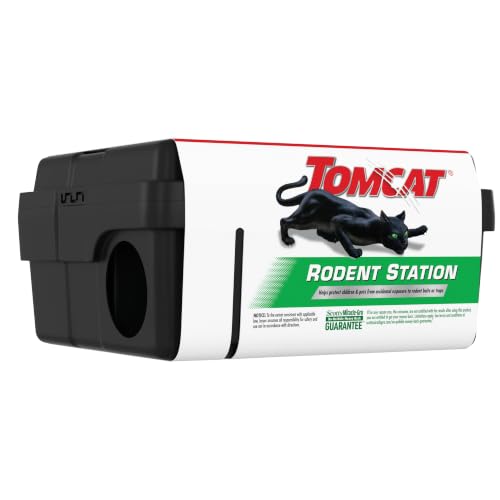
CONTROL RODENTS WHILE PROTECTING KIDS & PETS: The Tomcat Rodent Station helps to effectively control rats and mice while helping protect children and pets from accidental exposure to rodent baits or traps
Where Should You Place a Rat Bait Station?
Place rat bait stations directly against walls, fences, and building foundations. Rats tend to stick close to edges and rarely cross open spaces, so positioning stations along these travel routes increases the chance of contact. For indoor placement, target corners, along baseboards, and near visible droppings or gnaw marks to intercept rats where they move most frequently. Keep stations flush with edges and ensure openings face outward to match their natural pathways. UV light traps for flies work best when placed in consistent dark corners, which is a similar principle to positioning rat stations along dark edges.
For outdoor placement, focus on sheltered spots like under eaves, along shed lines, and near burrow entrances. Avoid open lawns where rats feel exposed. Instead, place stations in protected areas where rats feel safe. Space stations between 15 and 50 feet apart, especially in zones with high rat activity. Secure the stations against wind and rain to keep bait effective. Position them between shelter and food sources such as compost piles or trash areas. Regularly check signs of rat activity and move stations to where signs are strongest. Choose low-disturbance, stable locations to encourage rats to habituate to the bait stations. For a similarly targeted approach in outdoor water features, consider using mosquito dunks for bird baths to control mosquito larvae without harming birds.

Slim Profile for Tight Spaces: measuring only 3.7 inches wide, these slim rat bait stations are designed for narrow areas where rodents travel, including along walls, behind refrigerators, beside dishwashers, and under cabinets; Their compact profile fits neatly into corners and other hard-to-reach locations without taking up unnecessary space
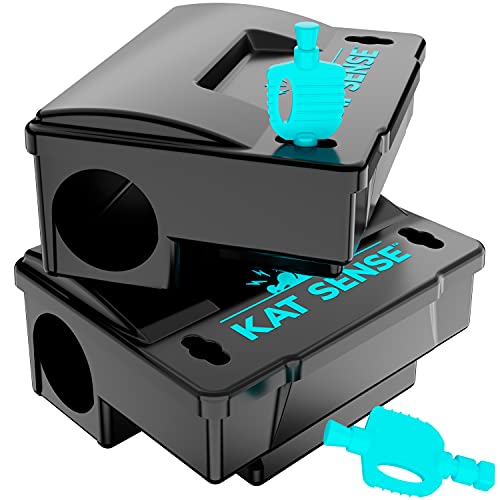
Eradicate Rodents Effectively - with tamper-resistant mouse and rat bait stations by Kat Sense. Loaded with your preferred mouse or rat poison, they discreetly rid your property of vermin without messy and dangerous mouse traps.
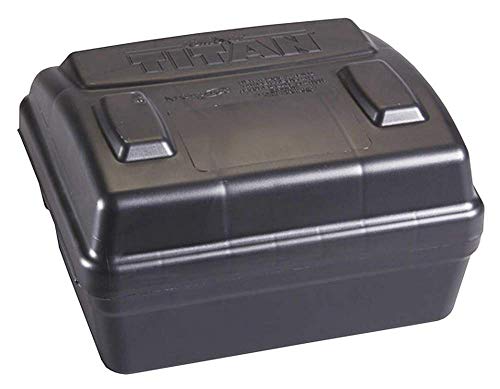
WEIGHTED MODEL - Titan Bait Stations are ready-to-go and require no additional securing thanks to a heavy pre-installed custom brick
How Do You Set Up a Rat Bait Station in 5 Steps?
To set up a rat bait station correctly, start by choosing a station with a locking lid and safety features. Wear gloves to prevent contamination and keep the key away from children and pets. Unlock the station carefully and lift the lid. Before loading, inspect the station for any cracks or damage, as even cheap materials can be effective if they remain intact and durable.
Load up to six bait blocks onto the internal rod, spacing them evenly to ensure rats can access each piece easily. Avoid overfilling or forcing the lid shut, as this can damage the station or compromise safety. Secure the bait by placing it against the back wall of the trap to mimic the recommended placement used in victor-style traps for optimal rodent engagement. Once loaded, close the lid firmly until it clicks and lock both locks to secure the bait inside. For added protection, the station’s tamper-proof design ensures safety from children and pets. Selecting a high-quality bait station can also improve durability and prevent accidental spills.
Test the station by gently trying to open the lid without the key— it should stay secure. Finally, check that all entry points are clear for rats and that the bait remains properly secured without gaps. Always follow the manufacturer’s instructions for your specific bait station to ensure safety and effectiveness.

Adequate Quantity: you'll love the convenience and assurance brought to you by our rat bait station with keys; The package includes sufficient quantity of 4 rat bait stations with 4 keys

Adequate Quantity: the package includes 2 rodent control boxes with 2 matching keys, providing convenient placement options for indoor and outdoor pest management needs

REFILLABLE MOUSE BAIT STATION: Tomcat Mouse Killer, Child Resistant, Refillable Station is a refillable mouse bait station with 4 bait refills; each bait block kills up to 12 mice (based on no-choice laboratory testing)
How Often Should You Check and Refill the Bait?
Check your bait station every 2 to 3 days during the first week. This frequency ensures you catch rapid feeding activity and confirm the bait is effective. For severe infestations, daily checks are advisable until feeding decreases, then shift to weekly inspections to maintain control. Always refill stations where bait has been consumed and replace moldy or soiled bait immediately. Your inspection routine influences costs by preventing bait from spoiling or being overused. It also reduces environmental risks by minimizing scattering or consumption by non-target animals. In low-activity areas, checks every two weeks or monthly may suffice, but always follow your product label’s instructions. Adjust your schedule based on observed activity, and do not reduce inspections until you see a clear decline in pest activity.
How Can You Tell Your Bait Station Is Working?
You can tell your bait station is working when you see a significant reduction in rodent signs. Fewer fresh droppings—dark, soft, and moist—indicate they are eating the bait and not foraging elsewhere. You’ll also notice decreased scratching noises and scurrying at night, suggesting their activity has slowed. Sluggish movement during daytime hours further points to effective baiting, as rodents respond to the poison by losing energy and becoming less active.
Additionally, physical signs like smudge marks or worn entry paths around the station show frequent use. Dead rodents might be present nearby, but don’t be alarmed if you don’t see many—they often die in their nests to avoid detection. Keep monitoring these indicators, and avoid adding more bait until activity resumes. When you notice no new signs of feeding for a few days, it’s a good sign that the infestation has been suppressed. Stay vigilant, as rodents can return quickly if you stop monitoring.