


Dealing with mice and finding effective bait for traps can feel tricky, but some options work better than others. The key is to use something with a strong smell and sticky texture that mice find irresistible.
With the right bait, you’ll have a much better shot at catching them quickly and consistently. Keep reading to discover the best choices and tips for successful trapping.
Why Peanut Butter Is the Best Mouse Trap Bait
Peanut butter’s strong scent makes it the top choice for bait because it effectively attracts mice from nearby travel routes. Its aroma overrides many common mistakes in trap placement, increasing your chances of catching rodents. Humidity can weaken the scent, so it’s important to refresh the bait daily, especially in damp environments. The sticky texture of peanut butter forces a mouse to work for it, ensuring it triggers the trap’s snap mechanism. Use only a small pea-sized amount on the trigger to avoid accidental triggering or bait wastage. Its high-fat content, combined with protein and calorie density, makes it irresistible to mice craving energy-rich food. Overall, peanut butter remains one of the most dependable, affordable, and effective baits, outperforming dry options and staying in place better over time. Adjust your baiting strategy based on humidity for maximum success. For example, JT Eaton’s peanut butter flavor rodenticide bait blocks are formulated to attract rats and mice with this same scent. When choosing a trap, consider models with durable construction to avoid the damage that carpenter bees can cause to wooden traps.

ATTRACTS MICE AND RATS: Tomcat rodent attractant gel attracts both mice and rats and can enhance the effectiveness of any mechanical rodent trap

EFFECTIVE PEST CONTROL: Delivers reliable rodent management for home or commercial use. Designed to attract and eliminate unwanted pests quickly and efficiently for peace of mind.
Does Cheese Actually Work as Mouse Bait?
Cheese isn’t very effective as mouse bait. While it’s a familiar cartoon trope, mice actually prefer high-protein, grain-based foods over dairy. Strong-smelling cheeses can even repel them rather than attract. Hard cheeses tend to dry out quickly or let mice nibble without setting off traps, making them unreliable. When selecting a trap, look for options with easy-to-set triggers that ensure the trap snaps reliably when a mouse takes the bait. Peanut butter stands out as a top alternative because its sticky texture and nutty aroma align perfectly with a mouse’s natural foraging instincts, making it far more reliable than dairy. If you do choose to use cheese, opt for a soft, mild variety cut into a tiny piece, but don’t expect consistent results. Better options include sticky, aromatic baits that align more closely with a mouse’s natural diet. Relying on cheese as your main bait is likely to be ineffective, and it should only serve as a fallback if other options aren’t available. For small traps used near plants, chicken wire options can help secure bait stations from being disturbed by pets or wildlife.
What Bait Works Better Than Peanut Butter?
Chocolate offers a stronger, sweeter aroma that often prompts mice to approach more quickly than peanut butter. Dried fruit such as raisins delivers intense sweetness and natural appeal, making it attractive. Seeds and nuts mimic their natural food sources, increasing the chances they’ll trigger your trap. Commercial sticky attractants tend to stay tacky longer than peanut butter, ensuring better trap engagement because mice can’t lick them off as easily. Meat-based baits like bacon bits work well in garages or areas where mice are seeking protein sources. During colder seasons, nesting materials like cotton can outperform food baits by appealing to mice’s needs for warmth and shelter. Switching to chocolate or seeds can significantly improve your capture success when mice ignore peanut butter. For best results, secure your bait selection against persistent pests using a squirrel baffle designed for pole-mounted feeders. For a more durable enclosure alternative, consider wire mesh fencing to prevent mice from accessing bait areas. A fruit fly trap uses similar intensity of scent to lure flies, demonstrating how powerful aromas attract pests.

SECURE COMPACT DESIGN - High-quality, lockable, tamper-resistant, only 8.5" x 7" footprint
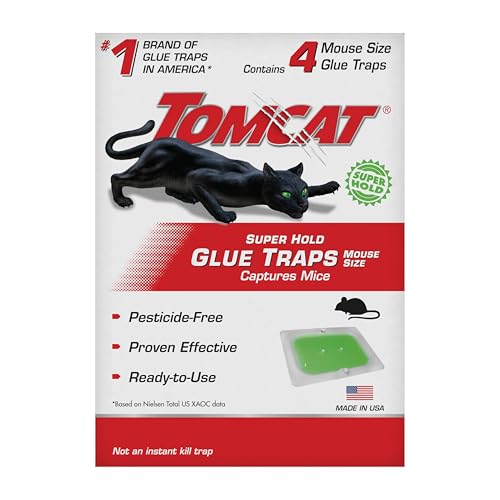
Tomcat Super Hold Glue Traps Mouse Size effectively capture mice and other household pests like cockroaches, spiders, or scorpions

Professional Mouse Attractant
How Much Bait to Put on a Snap Trap
Use just a pea-sized amount of bait on a snap trap. A grain-of-rice-sized dab is often even more effective on a mouse-specific model. The goal is attraction, not a full meal. Using too much bait can allow the mouse to nibble from the edge without triggering the trap, reducing its sensitivity. This principle is similar to selecting the right chicken wire gauges, where the correct thickness ensures the material functions as intended without failure. In the same way that wasp spray works by delivering a concentrated dose to disable the target quickly, a small, potent bait dab ensures the mouse must fully engage the trap to get any reward. Secure the bait directly onto the trigger treadle. Press it in with a toothpick, ensuring the mouse must contact the mechanism to grab it. A thin smear, especially for peanut butter, helps prevent the bait from being stolen without setting off the trap. Choosing the correct wire thickness for fencing follows the same logic, as a gauge that is too light can fail under pressure.
If the bait disappears without the trap snapping, you’ve likely used too much. Start with a small amount and only increase if needed. Remember, precise placement matters more than quantity. Reapply bait every few days if it dries out. The mouse should work just enough for that tiny taste, not have a full buffet.

PROVEN PERFORMANCE: These Victor mouse traps offers reliable rodent control with over 120 years of trusted effectiveness, providing snap traps for mice that eliminate pests quickly and cleanly for indoor home use

EASY TO USE DESIGN: The easy to use design of these reusable mouse traps allows you to set with just one click
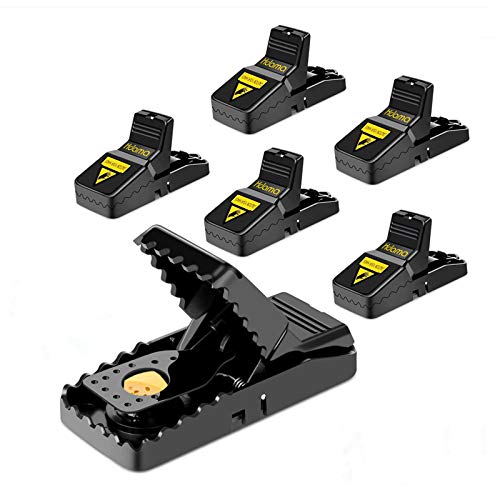
<b>【Easy to Set and Bait 】<b> With removable bait cup design, just simply put bait in the mouse trap and press down the trigger, no more worrying snap fingers.
Where to Place Your Trap for the Best Results
Place traps flush against baseboards, perpendicular to the wall, with the trigger facing the wall. Mice tend to hug walls for safety, so positioning traps here increases the chances of capture. This placement forces mice to bump into the bait as they travel along their runways.
Focus on corners and sides of appliances such as refrigerators and stoves, which are common travel routes. These spots are often used by mice to stay concealed while moving between food sources and nests.
Identify active areas by looking for droppings, grease marks, or gnawing signs. Set traps directly on these paths, especially between their nests and food sources. Key areas include kitchens, pantries, and garages where mouse activity is typically concentrated.
Environmental factors influence mouse movement; they prefer covered routes. Target behind stoves, refrigerators, or cluttered storage areas to intercept their tracks. To maximize effectiveness, increase trap density in areas with high activity, spacing traps 2 to 3 feet apart.
Additionally, place traps along entry points such as pipe chases and door gaps. These narrow spaces are common entry routes, and placing traps here can intercept mice before they spread further. Concentrate your efforts where fresh activity signals indicate ongoing movement. For optimal results, follow a step-by-step setup to ensure the trap is stable and properly armed. When handling any trap or bait, remember to use protective gear to avoid contamination or accidental bites. For large outdoor properties, consider deer fencing options to create a physical barrier against persistent pests.
Best Mouse Trap Bait for Each Trap Type
Peanut butter is an effective bait for most mouse traps, but the best choice varies based on the trap type. For snap traps, use a small pea-sized dab of peanut butter or hazelnut spread. Its sticky texture encourages the mouse to tug, which triggers the spring. Electronic traps work best with high-fat, sticky baits like peanut butter or seed mixes that allow full entry into the trigger zone. For live traps, nest-building materials such as cotton balls combined with chocolate or birdseed mimic natural shelter-seeking behavior, increasing capture chances. Glue boards rely heavily on scent; smear a thin layer of peanut butter directly on the surface to attract mice and encourage investigation, while preventing quick nibbling. Similar to how mosquito bits target pest larvae in standing water, choosing the right bait targets the specific behavior of mice to improve trap success. When setting the trap, always follow safety precautions to avoid accidental injury while handling the mechanism. For consistent outdoor pest control, consider using a Thermacell refill for reliable bug defense in areas where mice may also travel.

READY TO USE: Max-Catch Glue Traps are designed to attract insects, ants, mice, roaches, spiders, crickets & other rodents. Leave trap with paper on so pests can acclimate, place glue boards along suspected rodent pathways, wait 24-hours and remove paper. For best results, do not add bait as it decreases the effectiveness of the trap.

WHERE TO USE: Use these mouse and rat bait blocks indoors or outdoors; if applied where children, pets, and non-target animals may have access, bait blocks must be placed inside tamper-resistant bait stations

READY TO USE: Rat, Mouse and Snake glue traps are intended for use without additional rat bait. Once pulled apart, traps are active and should be set right away. The odorless mouse and rat traps are designed to trap insects and rodents.
How Often to Refresh Mouse Trap Bait
Checking traps daily is the best way to keep bait fresh and effective. Typically, you should replace bait every three to five days, depending on conditions. In humid environments, refreshing bait more often is necessary. Always replace bait immediately if it becomes moldy, dry, or contaminated. After each catch, refresh the bait and replace it whenever it looks stale. If mouse activity is high, shorten the interval to every few days. Keep insects or dust away from your bait by maintaining a routine schedule. A fresh, aromatic bait performs best, so inspect your traps regularly and replace bait promptly to maximize their effectiveness. For a durable outdoor setup, consider weather-resistant options similar to galvanized wire fencing.
What to Do When Mice Steal the Bait Without Triggering
If mice steal the bait without triggering the trap, it’s time to make some adjustments. Start by using a smaller, firmer bait deposit—about the size of a pea. This limits the mouse’s ability to nibble without setting off the trap. To secure the bait properly, smear a thick layer of sticky peanut butter directly onto the trigger or tie solid bait to it with thread. This forces the mouse to pull or fully engage the trap rather than just nibble it. For a similar reason, consider using a squirrel bait trap with a large, recessed trigger cup that prevents easy removal of the bait. When dealing with wasps, be aware that bee suits can be penetrated by their stinger if the material is thin or the fit is loose, so never assume full protection. Similarly, for outdoor prevention, you can line the perimeter with chicken wire buried just below the surface to block burrowing access.
Next, check the sensitivity of your trap. A low sensitivity setting makes it easier for mice to steal bait without triggering. Lightly sand the trigger plate to increase responsiveness and test it with a gentle touch. Proper placement also matters: set traps perpendicular to walls along active runways to ensure the mouse makes full-body contact with the trigger. By reducing bait theft, increasing trap sensitivity, and improving placement, you can outsmart those clever mice.
Why Overbaiting and Stale Bait Sabotage Your Trap
Overbaiting and stale bait are two of the most common—and preventable—ways you’ll sabotage your own trap. You might think more bait attracts better, but that’s a mistake. Use a pea-sized portion for bait size. Anything larger allows mice to nibble from the edge without triggering the trap. This turns your setup into a free snack station instead of a capture device.
Stale bait loses its scent quickly. Mice rely heavily on smell to find food, so bait that sits for days becomes ineffective. Replace it every 2 to 3 days to keep it enticing. This simple trap etiquette helps maintain a high success rate. Old bait also looks unappetizing, which makes mice less likely to approach. Avoid reusing bait for weeks; instead, use small, fresh pieces placed firmly on the trigger to ensure a decisive step that activates the trap.
Which Bait to Switch To When Peanut Butter Fails
If peanut butter isn’t attracting mice, try switching to a sweet, sticky alternative like hazelnut spread or chocolate. These options tend to stick better to the trigger, making it harder for mice to nibble without triggering the trap. Avoid myths that only peanut butter works—bacon fat or cooked bacon can sometimes lure mice more effectively, especially if they’re skittish around sweets. Dry options like sunflower seeds or birdseed are useful in enclosed traps or areas where mice frequent. Dry cat food or dog kibble also work well, particularly near pet zones where mice already scavenge. For a sugary boost, marshmallows or dried fruit can attract mice with their sweetness. Using two or three bait types simultaneously helps you quickly identify what your local mice prefer best.
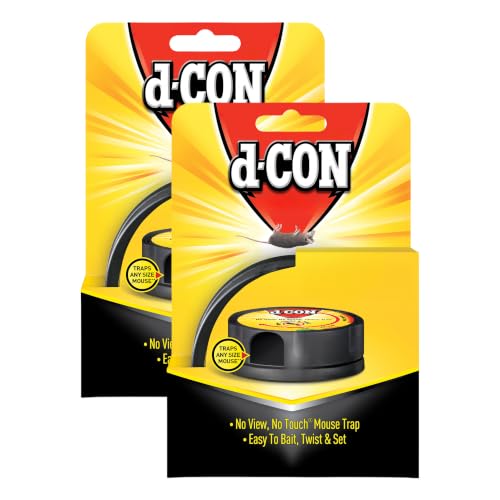
Discreet covered trap that conceals the dead mouse 100%.

EFFECTIVE, EASY TO USE HOME MOUSE TRAP: Use the Tomcat Kill & Contain Mouse Trap as an effective way to eliminate mice in the home
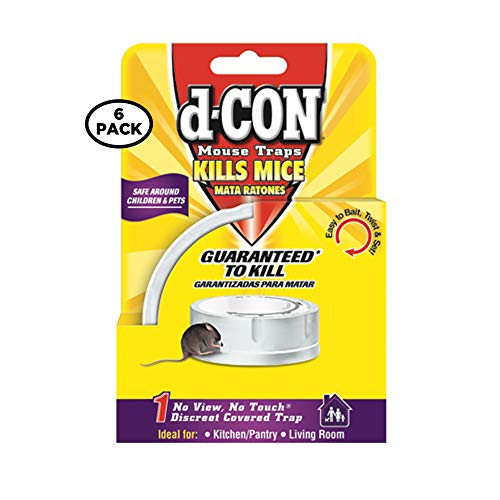
Discreet covered trap that conceals the dead mouse 100%.