

If fruit flies keep swarming around your kitchen, you’re probably looking for a simple, effective way to get rid of them. A homemade trap can do the trick without cost or hassle, using just common household items like vinegar and dish soap.
By the end of this, you’ll know how to make your own fruit fly trap to keep those pesky bugs at bay.
3 Common Reasons Fruit Flies Invade Your Kitchen
Fruit flies are most likely to invade your kitchen because of overripe or fermenting produce left out. When you leave bananas, tomatoes, or grapes exposed, you’re not just attracting them—they already carry eggs or larvae. Seasonal changes also play a role; late summer and fall speed up ripening, which increases their activity levels. Additionally, bringing garden produce inside creates an open door for fruit flies. Choosing any of the top fruit fly traps can help you manage a sudden infestation effectively.
They frequently thrive in hidden moist spots such as drains, garbage disposals, or damp sponges, which develop a fermenting film that attracts these pests. These areas may look clean but harbor the conditions they need—warmth, moisture, and organic material. For larger infestations, some homeowners might consider using bug bomb products as a broader pest control solution. Unlike traps designed for carpenter bees, fruit flies require a different approach based on their specific breeding habits.
Lastly, unsealed containers, spilled wine, or rotting fruit release ethanol and acetic acid into the air. These strong scents act like a red carpet, drawing fruit flies indoors through open or unscreened windows and doors, making your kitchen an irresistible invitation.
5 Materials You Already Have for a DIY Fruit Fly Trap
Most of the materials needed for an effective fruit fly trap are already in your kitchen or pantry. Start with fermenting scents like apple cider vinegar, balsamic vinegar, or even beer because fruit flies are attracted to these aromas. Add just a few drops of dish soap to the bait; it destroys the surface tension of the liquid and causes flies to sink immediately upon landing. Use common containers such as a clean jar, a clear glass, or a sturdy mug to hold the trap. Cover the container tightly with plastic wrap, then secure it with a rubber band. Poke small holes in the plastic with a toothpick or skewer to allow flies to enter but prevent them from escaping. Always position your trap in a place that’s out of reach of children and pets. With these household items, you can catch fruit flies effectively without a trip to the store. apple cider vinegar is especially effective as it mimics the scent of overripe fruit, drawing flies in quickly. For a more durable setup, consider using proper spacing between hole openings to ensure flies can enter without ripping the plastic. For humane handling, check local regulations to ensure your trapping method is legal in your area.

COMPREHENSIVE COVERAGE: 4-pack of TERRO fruit fly traps for indoors with 180 days of lure supply provides comprehensive pest control coverage for your home's fruit fly infestations

Fast Acting & Long Lasting: Our formula is designed to bait & rid your home of fruit fly infestations fast; the powerful attractant lures fruit flies in as soon as the top is open; Lasts up to 30 days

COMPREHENSIVE COVERAGE: 6-pack of TERRO fruit fly traps for indoors with 270 days of lure supply provides comprehensive pest control coverage for your home's fruit fly infestations
Step 1: Pick Your Container and Bait
A small container of about 1/4 cup works best for trapping flies. Use a glass jar, cup, or short bowl you already have at home. Reused food jars are ideal because their narrow necks make it harder for flies to escape, while wide mouths help release scent effectively. Make sure the container is small enough to hold the bait securely and fit near problem areas without being conspicuous. For added protection around your garden, chicken wire can be used to safeguard plants from pests. Using a strong-smelling bait increases the trap’s effectiveness, similar to how peanut butter attracts mice. For best results, place the trap along walls or edges where flies naturally travel.

4 Pack Glass Fruit Fly Traps: includes 4 reusable glass jars to create multiple indoor fly catcher stations at once, helping cover several kitchen hotspots without moving one jar between counters, fruit bowls, sinks and pantry areas
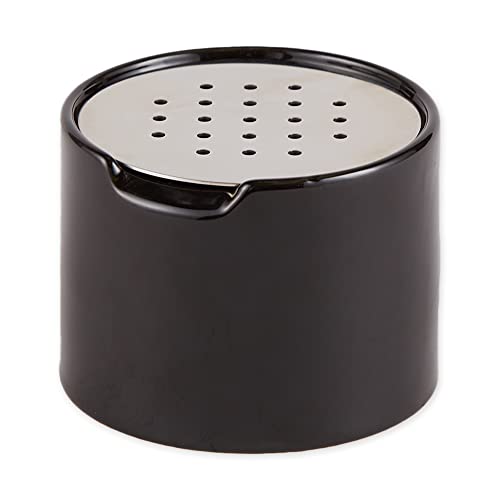
Fill the ceramic cup with an apple cider vinegar mixture and place perforated stainless steel lid on top

Set of 4 fruit fly catching lids: Reusable trap lids turn any wide mouth mason jar into a discreet and effective fruit fly catcher.
4 Alternative Baits to Try When Vinegar Doesn’t Work
If vinegar isn’t working to attract fruit flies, try using substances that mimic fermentation even more strongly, such as wine or beer. Red wine and beer are effective because they resemble decaying fruit, which flies find irresistible. Leftover, stale drinks are a cheap and effective homemade solution, so consider using these in your traps. Similarly, squirrel-proof feeders use scent-based deterrents to keep pests away from bird food.
Another strong attractant is overripe fruit, especially bananas. Place a small piece of rotting fruit directly into your trap to lure flies effectively. Spraying a wasp nest at dawn or dusk is best, as wasps are less active and all return to the nest.
You can also make a yeast-based bait by mixing 1/4 cup warm water with 1 teaspoon sugar and a packet of active dry yeast. This mixture produces potent fermentation odors and carbon dioxide, which attract flies when vinegar doesn’t do the trick.
Additionally, simple sugar water combined with yeast can boost your trap’s potency. Be sure to replace the bait frequently to maintain a strong scent. These homemade options—banana, wine, beer, or yeast—utilize common household items to help you catch those stubborn fruit flies. For a similar approach to larger yard pests, understanding how a live trap works can help you manage them humanely using scent-based lures.

Food Bait - Attracts and Traps Tephritid Fruit Fly’s.
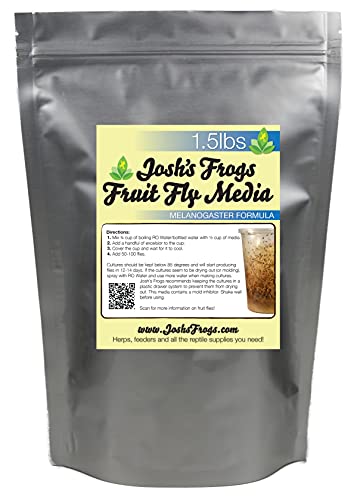
PRODUCES HIGH YIELDS - Your cultures will THRIVE in this quality media and produce many generations of flies

Great Food Source For Small Reptiles and Insect Eating Animals
How to Make a Plastic Wrap Trap (With Dish Soap Trick)
To create an effective plastic wrap trap with the dish soap trick, start by choosing a small, clear container. Fill it with your bait—either fruit pieces or a sweet liquid—as fruit flies are attracted to the fermenting smell. Stretch a sheet of plastic wrap tightly over the opening of the container and secure it with a rubber band to prevent gaps. Using a fork, poke several small holes in the center of the plastic wrap—these allow flies to enter but make escaping difficult. Pour a few drops of dish soap into the bait; the soap breaks the surface tension, causing flies to sink once they land. Place the trap close to areas with high fruit fly activity for best results. Keep the container stable and out of reach of children and pets, and replace the bait and soap regularly to maintain effectiveness. The same principle of using cheap materials applies when making DIY refills for other pest-control devices.

Highly Effective & Reliable Fruit Fly Catcher: This fruit fly trap is expertly engineered to stop fruit flies where they hover most—kitchen counters, trash bins, and near fruit. See results in just 24 hours!

Fast Acting & Long Lasting: Our formula is designed to bait & rid your home of fruit fly infestations fast; the powerful attractant lures fruit flies in as soon as the top is open; Lasts up to 30 days

Introducing Raid Essentials Fruit Fly Tap that is safe* to use around kids and pets (*When used as directed)
How to Build a Paper Funnel Trap (Tried and True)
To build a paper funnel trap, start by rolling a sheet of paper into a cone shape and securing the seam with tape. Leave a small opening about half an inch wide at the tip of the cone. Next, fill a glass or jar with a shallow layer of apple cider vinegar or fruit scraps to act as bait. Trim the funnel so its tip is above the bait level, then insert it carefully into the jar’s opening. Tape around the rim to seal any gaps, which helps prevent flies from escaping once they are inside. You can add a colorful decoration on the outside of the jar for visual appeal, but it doesn’t influence the trap’s function. The narrow funnel directs flies downward, and once inside, they find it difficult to find their way back out. This method avoids chemical exposure for occupants by using only household items. This approach aligns with safe garden netting practices by minimizing risks to beneficial insects. To dispose of the trap, remove the funnel, pour out the bait, and discard the paper. Refresh the vinegar every day or two to keep the fermentation scent strong, ensuring your trap remains effective. For a more durable solution, consider using hardware cloth to replace the paper funnel in future builds. Similarly, a sturdy pole-mounted feeder can be secured with a baffle to prevent squirrels from accessing birdseed, though this trap focuses on flies.

Allows color matching of caps for dedicated adapters.

【Disposable Paper Oil Funnels】 - You will receive one 100Pcs disposable paper oil funnels packed in a white carton, the individual size is 4.2" x 3.5"(10.5cm x 8.7cm), the capacity is about 6oz, the white carton package will not let the paper oil funnels be flattened when it arrives at your hand to ensure the integrity of the goods, and it is also convenient for you to bring and Storage

Improve efficiency:Our disposable paper funnels allow you to pour oil neatly, smoothly, quickly and safely into your vehicle and kitchen containers without leaking, increasing efficiency and making oil changes easier and cleaner, After using the funnel once, you can throw it away, without the trouble of cleaning the funnel.
Where to Place Traps for the Fastest Results
Place traps near breeding and feeding sources like fruit bowls, compost bins, or sinks—areas where you’ve already observed fruit fly activity. Focus your placement on kitchens first, since that’s where most activity tends to cluster. Set traps in shaded, protected spots out of direct sunlight and strong drafts, as these can weaken the attractant’s effectiveness. For an effective DIY solution, use simple build processes with cheap materials like vinegar and dish soap. Adjust trap height to match fly activity levels: indoors, position traps at counter height or slightly higher, near fruit storage or under sinks. Keep traps away from clutter that could block the entrance, and avoid placing them on food-prep surfaces. If you notice fruit flies in multiple zones, use more than one trap to cover each hotspot. Reposition traps toward the area with the strongest activity if flies remain prevalent elsewhere. This targeted placement speeds up the capture process, and for larger outdoor areas, tested results show that professional traps can be more reliable than DIY methods. For heavy infestations, consider using live traps designed for larger pests as a more robust alternative.
How to Keep Fruit Flies From Coming Back
To prevent fruit flies from returning, thorough and consistent sanitation is essential. Once you’ve eliminated existing fruit flies, focus on removing attractants that draw them back. Discard ripe or rotting produce immediately and rinse fruits and vegetables after purchase to reduce residual sugars. Keep room-temperature items covered or refrigerate them below 75°F to slow down development. Regularly sanitize countertops, floors, and hidden corners to eliminate sugary residues that attract flies. Never leave dirty dishes out overnight—they provide perfect breeding grounds. Empty trash cans frequently, keep them sealed, and rinse recycling containers before disposal to avoid residue buildup. Clean kitchen drains to remove any biofilm and dry damp sponges or cloths completely to eliminate moisture. Sealing windows with screens and fixing cracks prevents reentry. Maintain these practices consistently, as traps alone won’t solve the problem when food, moisture, and shelter remain accessible.
When to Refresh or Replace Your Trap
Check your bait every 2 to 3 days to keep your trap effective. Apple cider vinegar or fruit juice bait loses potency quickly, especially if you have a heavy infestation, making daily replacement necessary. When the liquid evaporates, turns cloudy, or develops a weak smell, it’s a sign the bait has expired—replace it immediately to maintain trap performance. For more persistent pests, you might consider CO2-based mosquito traps which use a different attractant mechanism.
Replace the entire trap when it’s full of flies. A crowded trap limits airflow, reducing its ability to catch pests. Empty out the old bait, rinse the container with soap and water, then refill with fresh bait. For DIY traps, it’s best to renew the bait every 2 to 5 days during active infestations. If the attractant no longer draws flies, rebuild the trap right away. Regular maintenance ensures your trap remains effective and you stay ahead of the infestation.