


Frustrated by squirrels constantly raiding your bird feeders? A squirrel baffle can be a real game-changer, but only if you get it right.
The key is choosing the right size, placement, and design so squirrels can’t outsmart it. Keep reading to learn how to set up a baffle that actually works and avoid common mistakes that let those clever critters win.
What Makes a Squirrel Baffle Effective (and Why Most Fail)
An effective squirrel baffle includes three key elements: size, height, and placement. A baffle should be at least 16 inches wide; anything narrower allows squirrels to stretch around it. Dome or sloped-cone shapes are best because their slick surfaces make it difficult for squirrels to grip and climb. Height is crucial as well—place the bottom of the baffle at least four feet above the ground. Setting it lower creates an easy bypass for squirrels to reach your feeder. Additionally, keep your feeder away from trees, fences, or decks, as squirrels often use these launch points to leap past your barrier. Remember, squirrels are motivated by their diet habits and predator threats; they will take risks to access food or safety. Proper placement combined with smart design prevents them from bypassing your squirrel-proofing efforts. For instance, a dome or sloped-cone shape specifically provides a slick surface that frustrates their grip and climbing attempts. Homeowners facing similar persistence with carpenter bees should consider targeted bee traps that isolate the pest without harming beneficial insects. A similar DIY approach using cheap materials can also manage persistent yellow jacket nests around your property.

KEEP SQUIRRELS AWAY: The Perky-Pet Squirre Baffler has a 16” diameter dome that prevents squirrels from reaching feeder

【16 Inch Dome Cover】Fits most hummingbird feeders, easy to install, just hang it on a shepherd's hook or tree trunk, the feeder will hang below the dome cover, which protects your precious bird food! The curved design effectively blocks rain and leaves from entering the inside of the bird feeder.

【16-inch Extra-Deep & Oversized Rain Guard】 Unlike ordinary small rain covers, this one features an extended 3.1-inch depth and 16-inch diameter to create a wide canopy that helps protect your feeder from heavy rain and drifting snow. The hanging design positions the rain guard above your bird feeder, helping shield the feeding area from rain splash and melting snow while keeping bird seeds dry.
Install Your Squirrel Baffle So They Can’t Outsmart It
To effectively prevent squirrels from bypassing your baffle, start by mounting it on the correct side of the feeder. For pole-mounted feeders, place the baffle below the feeder to block climbing. For hanging feeders, position it above to prevent descent from branches or hooks. The key is matching the baffle placement to the squirrel’s approach—since they always attack from their access path, not yours. A key step for success is to set up deer netting around the feeder area to create an additional barrier against larger pests. Using wasp spray on yellow jackets can be similarly effective only when applied directly to their nest entrance, but it is not a long-term solution for ground-nesting colonies. For those who prefer a humane approach, live traps for mice can also be used to capture persistent squirrels and relocate them safely.
Next, secure the baffle tightly by tightening all clamps or screws so it cannot slip, tilt, or rotate. A loose baffle can become a grip or ramp for squirrels. Check for gaps between the baffle edge and the pole; any opening allows squirrels to squeeze through. Also, ensure the feeder isn’t hanging too close to the baffle, as this creates a climbing bridge for acrobat squirrels.
Finally, place the entire feeder assembly at least 7 to 10 feet away from nearby trees, fences, or decks. If squirrels can jump directly from a launch point onto the feeder, your baffle won’t stop them. Follow your product’s installation instructions carefully and verify the setup from multiple angles to prevent sneaky escapes.

Bigger and Wider Design: 19” diameter design makes this squirrel stopper more effective than other sizes. Larger sizes have greater jitter, no matter if rodents fly up or climb up, they will not be able to stand stably on the baffle. Anything smaller than 19 inches cannot step over this baffle easily, which means that the foods in your bird feeder can be specially provided to feathery friends instead of greedy squirrels or raccoons.
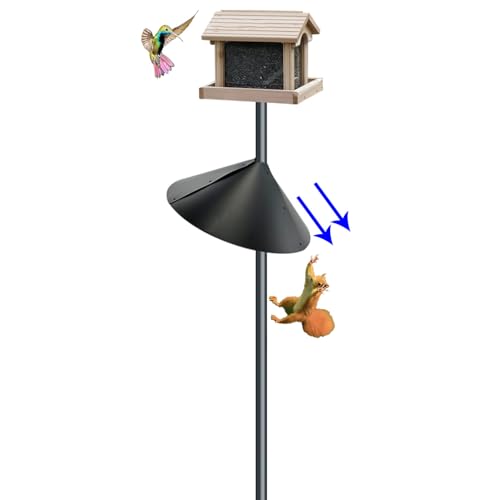
16.5-Inch Extra-Wide Design: Blocks squirrels, raccoons, and other rodents from climbing or jumping onto bird feeders. The broad, angled surface prevents animals from bypassing the baffle, reducing seed waste and keeping birds undisturbed.

【19.6Inch Oversize Squirrel Wil Not Easy To Climb】Most of other squirrel baffle on the market will choose steep slope design and give up the widening design, aim to refuse squirrel stand on the baffle. iBorn squirrel baffle design in extra large size, even if those animal climb on the pole, they will difficult to get touch of the edge of baffle. So that easy to fall down, squirrel have no chance to climb on it, and close to the feeder.
The Right Height and Clearance for Your Baffle Setup
The bottom edge of a pole-mounted baffle should be at least 4 feet above ground to effectively block squirrels. For added safety, aim for a height of 4.5 to 5 feet, which provides a more reliable barrier. In addition, maintain 12 to 24 inches of clearance between the top of the baffle and the bottom of your feeder. This gap prevents squirrels from hanging upside down from the baffle to reach the feeder. Choose weather-resistant materials like metal over plastic, as metal withstands rain and sun better over time. For protecting nearby water features, consider pond netting options to prevent debris and animal interference. Finally, position your entire setup at least 10 feet away from trees, fences, or deck railings. Unlike bleach spray, which poses safety risks when used outdoors, metal baffles offer a durable and non-toxic solution for keeping pests away. Squirrels can leap from nearby structures, so proper height and clearance, combined with strategic placement, are key to keeping your feeder squirrel-free. For bird baths, using mosquito dunks is an effective method to control mosquito larvae without harming birds.

Squirrel-proof: The 19-inch diameter widened baffle is wider and larger. With the addition of the spring, the elasticity of the squirrel baffle is increased, effectively preventing squirrels and raccoons.

SQUIRREL BAFFLE: All six spring-loaded feeding perches collapse under the weight of a squirrel
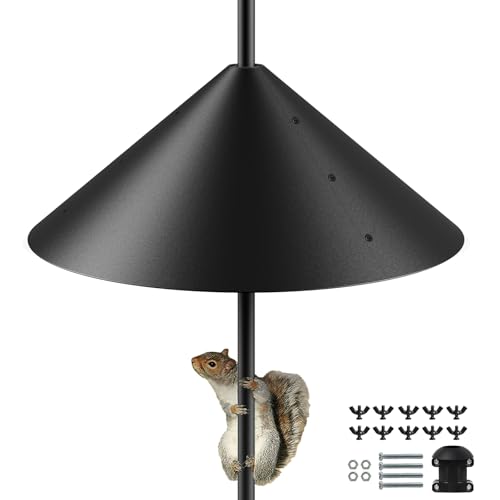
Chew-Proof Design with Metal: This metal slinky squirrel baffle made from sturdy metal materials designed to withstand outdoor conditions and squirrel chewing, ensuring long-lasting protection.
Fix These Three Common Installation Mistakes
Position your baffle at least several feet above the feeder on the pole. Placing it too low gives squirrels a running start to leap onto the feeder, making it easier for them to access the food. Conversely, positioning it too close to the feeder allows squirrels to reach around the baffle or climb over it. To effectively deter them, aim for a vertical gap of at least three to four feet between the bottom of the baffle and the top of the feeder. This spacing creates enough of a barrier to prevent squirrels from jumping or climbing onto the feeder, ensuring your birdfood stays protected. A spring included in the design helps the baffle rock and shift when a squirrel climbs, enhancing the deterrent effect by making it harder for them to gain a foothold. Unlike sonic devices that rely on sound waves, a physical baffle works on direct contact and motion to block access, which is why its placement and mechanical stability are far more critical to success than any emitted frequency. For persistent squirrels, you can apply the same principle used in live animal traps to temporarily remove the problem and relocate the animal to a more suitable habitat. This design principle, relying on direct physical barriers to block movement, is also why a bee suit works against wasps by preventing their stinger from reaching the skin.

Big & Wide Design: 19” diameter design makes this squirrel baffle for bird feeders more effective than other sizes. Larger size allows for better wrap around bluebird house pole; greater jitter keeps rodents from flying up or climbing up to stand on the baffle. Greedy squirrels or raccoons can hardly step over this 19-inch squirrel guard so that the foods in your birdfeeder can be specially provided to feathery friends.

【Upgrade Metal Squirrel Baffle】Tired of squirrels chewing through flimsy plastic baffles that crack in the sun and shatter in the cold? Our squirrel deflector is crafted from premium, heavy-duty steel, offering permanent protection. It's completely weather-proof, chew-proof, and crack-proof. 【Not for Shepherds Hook】

18" Wide Squirrel-Proof for Bird Feeders: Protect your outdoor bird feeder from squirrels, raccoons, and other climbing animals. This 18-inch cone-shaped metal squirrel baffle creates a wide, slippery barrier—a wide bevel for bird feeder defense that helps keep bird seed. It works as a squirrel shield and blocker for bird feeders, and as a destructive-proof squirrel cone against persistent climbers.
Pair Your Squirrel Baffle With These Tricks to Beat Any Squirrel
Pair your squirrel baffle with these tricks to effectively deter squirrels. Place your feeder in open space, at least 10 feet away from trees or fences, to prevent squirrels from using nearby structures as launch points. Switch to safflower or thistle seed, which squirrels dislike, while still attracting colorful songbirds. Install a weight-activated feeder that closes when a squirrel lands, making it harder for them to access the food. Cover your feeder with a smooth pipe cable so they can’t grip onto it easily. Trim any nearby branches that could serve as jump points for squirrels. Additionally, consider setting up a separate corn station to divert their attention away from your main feeder. For persistent horse fly problems in your yard, similar trap principles apply, with enclosed jar traps proving effective by luring insects inside where they cannot escape. Choosing the right support is equally important, and sturdy fence posts ensure your baffle and feeder system remain secure against determined climbers. Combining these methods creates a multi-layered approach that keeps squirrels at bay and preserves your bird-watching experience. Unlike ultrasonic repellers, which proved generally ineffective against pests, physical barriers and diversion tactics offer reliable results.

Application Solution: This buckle is well fit for any 2/3 inch to 1-3/8 inches birdfeeder pole or outside shepherd hook.

【Effective Defense】Our squirrel baffle reduces the risk of squirrels climbing up bird feeding poles or birdhouses.This means that seeds in your pole feeder hanging can be provided to feathered friends instead rodents.

【Works Well To Support Baffle】This squirrel support bracket designed to use with the baffle. With adjustable clamping range, a inserts spacer will be included to increase the range for proper. All of these design helps withstand the any kinds of large baffles well.