


Wondering if ultrasonic pest repellers really keep pests away? The truth is, they almost never work.
Scientific research shows no consistent evidence that these devices repel pests like mice or cockroaches.
Most pests quickly get used to the sound, and furniture or walls create dead zones that block it.
Keep reading to learn what actually does help keep pests out.
Do Ultrasonic Pest Repellers Work? No, Evidence Shows They Don’t
Ultrasonic pest repellers do not work. Scientific reviews from institutions like Cornell and the University of Arizona show no reliable evidence that these devices repel German cockroaches, bed bugs, or rodents. Pests such as rodents and cockroaches do not interpret high-frequency noise as a threat. Instead, they experience brief noise interference, then quickly habituate and resume their normal behavior. Field studies have found no measurable decrease in pest populations when using ultrasonic devices. Relying on sound-based gimmicks is ineffective. Effective pest control requires exclusion, sanitation, and trapping, rather than investing in devices that ignore how pests truly operate. For example, a simple DIY yellow jacket trap using cheap materials and proven bait is far more effective than any sound-based device. Unlike these unproven gadgets, a proper fogger setup requires sealing rooms and following labeled safety precautions to actually address an infestation. For a severe termite problem, professional-grade bug bombs containing specific active ingredients remain a proven tactic when used correctly.

✅ AFFORDABLE SOLUTION: Fighting against mice, rats or insects? This ultrasonic pest repeller is a safe, chemical-free mouse repellent to plug in. Protect your home without toxins or expensive deratization services - harmless to humans and pets.
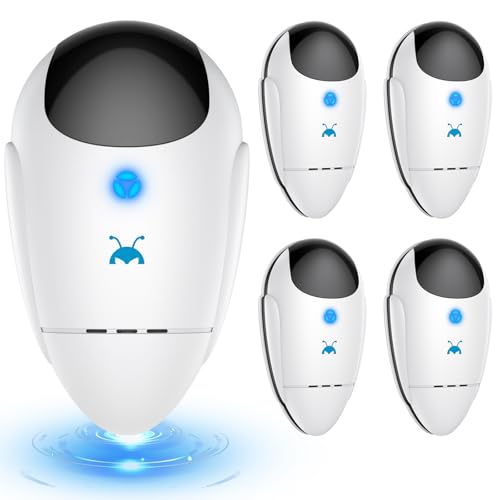
How It Works:Our device uses cutting-edge ultrasonic waves to generate an environment that pests find highly unpleasant, gently motivating them to leave your home on their own. With regular use, it gradually reshapes pest habits, helping you enjoy a cleaner, pest-free living space—without any chemicals or harm to animals or people.
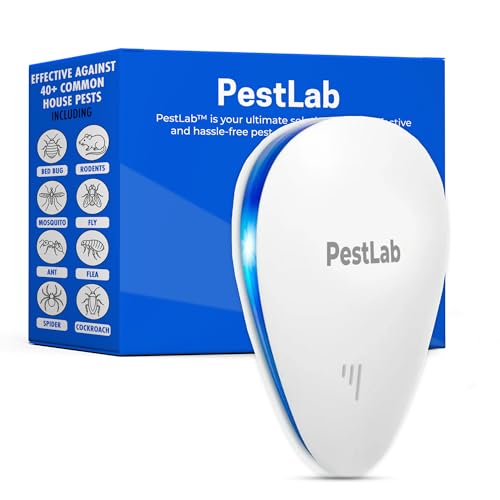
ULTRASONIC PEST DEFENSE – Targets mice, rats, rodents, roaches, ants, spiders, fleas, mosquitoes, and bed bugs by emitting ultrasonic waves that disrupt their auditory and nervous systems. Pests are driven out of the treated room naturally — no traps to empty, no sprays to apply, and no dead pests to clean up after.
How Ultrasonic Pest Repellers Claim to Drive Pests Away
Ultrasonic pest repellers claim to drive pests away by emitting high-frequency sound waves that are inaudible to humans. Typically, these devices operate between 25 and 65 kHz, above the range of human hearing but within the perception range of many pests like rodents and insects. The idea is that the noise creates an uncomfortable environment, prompting pests to avoid the area. For a more direct approach, some people build a DIY rat bait station using cheap materials to physically trap or poison the pests.
Manufacturers assert that the ultrasonic sound disrupts pest behavior by interfering with their psychological and sensory functions. For rodents, the sound is said to interfere with their auditory systems, making feeding, nesting, and communication difficult. Insects are believed to have their movement and sensory perception scrambled. To prevent pests from habituating to the sound, many devices vary the frequency, making it harder for pests to get used to the noise. However, unlike chemical sprays that are harmful to cats, these sound devices pose no poisoning risk to pets if ingested.
Since the sound is inaudible to humans, you can plug the device in and forget about it. The goal is for pests to leave voluntarily, not to kill them. These devices are marketed as a chemical-free, trap-free alternative to pest control, with the idea that they create an insurmountable acoustic barrier for pests, encouraging them to vacate the premises. In contrast, products like mosquito bits use a biological approach by targeting larvae with a naturally occurring bacterium, rather than relying on sound to repel adult pests.
Which Pests Might React: and Which Ignore the Sound Completely
Rodents such as mice and rats are only temporarily affected by ultrasonic pest repellers; they typically react with a brief startle response, then quickly habituate. Within a week, these pests often return to their nesting areas despite ongoing noise. Most insects—including cockroaches, ants, bed bugs, fleas, spiders, and mosquito larvae—either ignore the sound entirely or show only negligible reactions. Crawling insects lack the necessary anatomy to detect ultrasound effectively, rendering the devices almost useless against them. Ticks and mites also display weak, species-specific responses that are insufficient to provide meaningful protection. Overall, pests either tune out the sound or are unable to hear it in the first place, making ultrasonic repellers a largely ineffective solution for pest control. For pests like carpenter bees, a physical trap remains a more reliable method than any sound-based device. In contrast, for tree-dwelling pests, a physical barrier like a squirrel baffle can provide consistent and long-lasting protection. For yellow jackets, however, a trap filled with a protein-rich bait works far more effectively than any sound-based device.
Why Ultrasonic Pest Repellers Fail in Real Homes
Ultrasound limitations cause these devices to generally fail in real homes. The signal weakens quickly as it travels through air, dropping off sharply within just a few meters. Walls, furniture, and thick curtains absorb or bounce the sound waves, preventing them from reaching pests hiding behind appliances, inside closets, or within wall cavities. These spaces become dead zones where pests remain undisturbed. Covering an entire floor with a single ultrasonic unit is unlikely. Corners, clutter, and household objects break up the sound field, leading to patchy coverage. Even deploying multiple devices doesn’t guarantee effectiveness because ultrasound waves cannot bend around obstacles like lower-frequency sound waves do. Ultimately, the structure of your home actively undermines the technology, making ultrasonic pest repellers ineffective for comprehensive pest control. For comparison, a possum trap using proper bait is far more reliable for capturing persistent pests. In contrast, bird spikes physically block landing areas without relying on sound or air movement, providing a simple and non-harmful physical barrier. For severe infestations, a targeted wasp spray can kill termites on contact but still fails to address the colony hidden within the structure.

【Revolutionary Ultrasonic Technology & 3 Modes】Fooxem ultrasonic pest repeller features 3 adjustable modes: Enhanced, Medium, and Silent. Using powerful ultrasonic waves and intelligent frequency conversion technology, it is designed to help manage common household pests, including rats, spiders, cockroaches, ants, fleas, flies, bugs, mosquitoes, and more. Adjust the intensity based on different room conditions and enjoy a cleaner, more comfortable home without messy traps

100% SAFE AND EASY TO USE: The Bell & Howell pest repeller is 100% safe! It contains no harmful chemicals and is odor free! You will no longer need any mouse traps or other messy tactics generally used to get rid of pests.
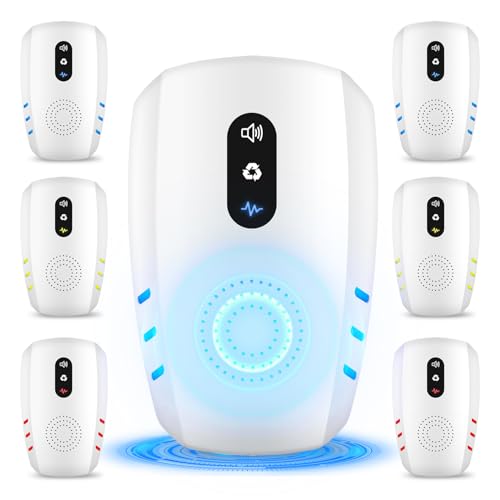
【Advanced Ultrasonic Technology】This ultrasonic pest repeller uses multi-frequency ultrasonic waves within a frequency range of 10kHz-65kHz to help create an uncomfortable environment for common indoor pests. As a pest repellent ultrasonic plug in, it supports daily pest control needs for mice, roaches, ants, spiders, mosquitoes, and more. It is a practical choice for customers looking for a mouse repellent, rodent repellent, or ultrasonic rodent repeller for indoor spaces.
What the FTC and Scientists Actually Found
Lab-controlled studies published in the *Journal of Economic Entomology* show that ultrasonic pest repellers do not control or repel insects. Mosquito trials found no difference in landing rates between homes with ultrasonic devices and those with placebo devices. Similarly, studies on fleas and ticks reported that pest activity remained unchanged when ultrasonic devices were used. A recent review of field studies also concluded there is no measurable decrease in pest populations associated with ultrasonic devices. University extension services clearly state that residential use of ultrasonic pest repellents has not been demonstrated to be effective. In contrast, hardware cloth provides a reliable physical barrier for excluding pests from yards and gardens. This scientific evidence aligns with the FTC’s stance—marketing claims lacking proof are deceptive. In contrast, proven alternatives like mosquito traps or barrier sprays are recommended by pest control experts. When dealing with rodents, a simple snap trap remains a highly effective and scientifically supported method for control.
The Illusion of Effectiveness: Why “Temporary” Doesn’t Mean “Working”
The illusion of effectiveness means that a temporary reduction in pests does not indicate real control. Ultrasonic pest repellers often produce an initial drop in activity, which you might interpret as success. However, this is just a startle response—the pests are reacting to the sound briefly but don’t find it threatening enough to leave. Within three to seven days, rodents habituate to the noise and ignore it entirely. This short-term change creates a false sense of progress, but the pests are still present—they simply shift routes, stay hidden, or breed undeterred. Furniture and clutter can block the sound waves, reducing their impact further, while pests’ survival instincts override brief discomfort. You may see a temporary pause in activity and assume the problem is solved, but in reality, the infestation continues nearby. For a more reliable method, building a DIY possum trap from cheap materials provides a physical solution that pests cannot adapt to. In contrast, chicken wire can provide a durable physical barrier that pests cannot ignore or become accustomed to. Lasting pest control requires methods that eliminate pests entirely, not just cause a fleeting behavioral response. For a genuinely effective barrier, a physical DIY approach like a squirrel baffle can block access outright without relying on startle responses.
Smarter Alternatives That Actually Control Household Pests
Integrated Pest Management (IPM) provides smarter, more effective solutions for controlling household pests beyond ultrasonic repellers. It’s based on understanding pest behavior and focusing on reducing their access to food, water, and shelter. Start by sealing gaps larger than 1/4 inch with steel wool or caulk to prevent entry. Next, improve sanitation by storing food in sealed containers, fixing leaks, and reducing clutter where pests might hide or breed. For mosquitoes, top bug zappers can also be used as a targeted tool to reduce adult populations without relying on broadcast sprays. Use traps to monitor pest activity and lower their numbers naturally, avoiding broadcast sprays that can be harmful. For outdoor pests like skunks, relying on coyote urine as a repellent is often ineffective and can introduce safety risks, making environmental modifications a better choice. Place targeted baits near areas where pests are active, rather than spreading them randomly throughout the house. These eco-friendly strategies modify the environment to make it less hospitable, leading to long-term pest control rather than temporary fixes.
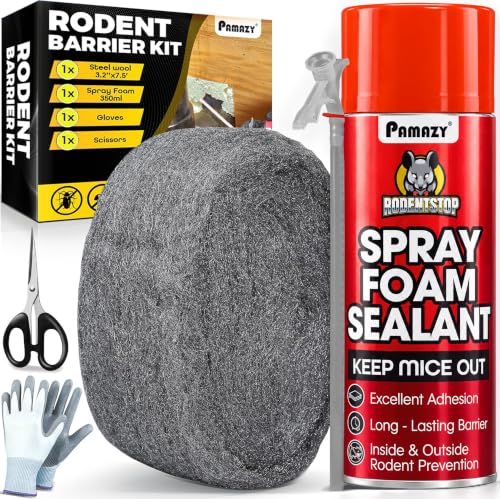
[Ultimate Rodent Control Solution] Say goodbye to low-quality steel wool that breaks apart and causes a mess. Our product combines premium steel wool with a powerful foam sealant to create a durable, reliable barrier against rodents and other annoying aminals. This long-lasting solution ensures your home remains critter-free, giving you peace of mind knowing you’re protected from unwanted guests all year long.

IMPENETRABLE RODENT BARRIER: Xcluder Rodent-Proof Fill Fabric fills gaps, holes and openings throughout buildings to create a barrier that mice, rats and other pests are unable or unwilling to gnaw through.

MaPorch Steel Wool Power: Keep your space safe with MaPorch Steel Wool, the go-to solution for sealing gaps and keeping pests at bay. Whether it’s a mouse steel wool hole filler for pipes or a rodent control measure, our kit has you covered