


Struggling to keep squirrels away from your bird feeder? Building a simple, effective squirrel-proof pole at home can save you money and frustration.
For under $30, you can construct a durable setup using galvanized steel, a sturdy 4×4 post, and some basic materials.
Follow along to learn how to create a customizable solution that keeps those pesky critters at bay.
Why We Built a Squirrel-Proof Pole Instead of Buying One
Building your own squirrel-proof pole allows you to customize the setup precisely to your yard’s layout and your preferences. This approach can save you money because store-bought options often cost $50 or more, while a DIY version can stay under $30. Using common materials like repurposed conduit or steel reduces upfront costs and ensures durability. You can also adjust the height of the feeder, position baffles at the ideal four-to-five-foot mark, and place the station eight to ten feet from nearby trees. This flexibility means you’re not limited by pre-made designs or yard constraints. For added protection, choosing the right respirator mask type is not needed here, but selecting a smooth, non-climbable material for the pole is critical. You can modify the pole easily if squirrels figure out your current setup, tweaking the height or baffle placement without needing to replace the entire unit. One effective feature is wrapping the post with aluminum flashing to prevent squirrel claws from gripping and climbing, as it stops them from scaling the pole entirely. For the pole itself, using a metal fence post provides a sturdy and smooth surface that is difficult for squirrels to climb. Similar strategies used to cover pond basins can also deter squirrels by creating an unstable surface that prevents them from gaining a foothold near the feeder.
Pick the Best Materials for a Stable Squirrel-Proof Pole
Heavy-gauge galvanized steel, around 1 inch in diameter with thick walls, is your best choice for stability and durability. This size provides enough strength to resist bending under the weight of heavy feeders or strong winds. Galvanization protects against rust and corrosion from rain and snow, unlike plain painted steel that may chip or wear over time. Avoid wood, as squirrels easily grip and chew it, and steer clear of aluminum because its flexibility makes the pole less stable and more prone to bending under load. For additional ground-level protection against burrowing pests, consider burying a strip of hardware cloth around the base to deter voles from tunneling. However, note that hardware cloth can rust over time if not properly coated, so choose a galvanized or stainless steel version for longevity. Proper mounting techniques are crucial for long-term stability. Use internal threading to secure your pole, rather than external clips, which can introduce wobble. Ensuring smooth, secure connections helps keep the pole vertical and rigid, making it a less tempting target for squirrels. A patented spring baffle shifts unpredictably when climbed, effectively preventing squirrels and raccoons from accessing feeders. Pair your pole with a smooth metal baffle; plastic baffles can crack or be chewed through, defeating the purpose of squirrel-proofing. For added protection against climbing pests, note that a bee suit offers no defense against wasps, as wasps can sting through fabric and are far more aggressive.

Universal Fit with Custom Wooden Board:Our birdhouse frame includes a custom wooden board, which works seamlessly with most mainstream bird feeders and birdhouses, effectively avoiding size and model mismatch issues

EXCELLENT DESIGN: The squirrel baffle is a square design with spikes, suitable for 2.5 inches to 4.5 inches diameter wooden square poles or round wooden poles.The black paint won't scare small birds, The 17-inch side length will make it impossible for animals smaller than that to cross.

Notice: bird house and bird feeders not included
Anchor a 4×4 Post in the Ground for Maximum Stability
A cylindrical hole with vertical walls provides the concrete with a better grip, helping to anchor the post securely. In frost-prone areas, go at least 6 inches beyond the frost line to prevent shifting caused by freeze-thaw cycles. Set the post in the hole, pour concrete around it, and allow it to cure completely before mounting anything. Deeper embedment combined with a wider concrete base reduces wobbling, ensuring your feeder stays steady against wind and squirrel attacks. For added defense, wrap the post’s base with a sturdy galvanized wire mesh that squirrels cannot climb or chew through, as recommended in top gardening guides.

High-Quality Anti-Rust Process This hardware cloth is made from high-strength low-carbon steel wire, combining excellent strength with flexibility. After precision welding, the entire product undergoes a premium anti-rust treatment—hot-dip galvanization—with special reinforcement at all seams and corrosion-prone areas to ensure uniform, dense coating and outstanding rust resistance. This process grants the product superior weather resistance, making it an ideal choice for wire mesh fencing and long-term outdoor applications.

Strong Hold for Fencing: Perfect for attaching wire fencing, chicken wire, mesh fencing, and garden fence panels to wood fence posts; Ideal for farms, chicken coops, gardens, and other outdoor fencing projects

280-Piece Value Pack: Includes 280 galvanized fence staples in a sturdy storage box, providing an ample supply for wire fencing installation, garden fence repairs, farm maintenance, and multiple home projects without frequent reordering.
Wrap the Post With Aluminum Flashing for a Slick Surface
Wrap the post with aluminum flashing to create a slick surface that squirrels cannot grip. Use a piece at least three feet long to effectively block their reach. Position the bottom of the flashing about three feet above the ground, but adjust based on your feeder’s height and nearby launch points. If native plants are close by, place the feeder at least ten feet away to prevent squirrels from jumping over the barrier. Secure the flashing with small trim nails, ensuring it stays tight without deforming the post. Regularly inspect for gaps or damage seasonally to maintain a smooth, uninterrupted surface—this simple barrier outperforms bait or moving parts for predator control. For a similar approach to ground-based pests, setting the trap safely requires careful attention to trigger tension and location. For a similar approach, choosing a live trap for rabbits offers an effective and humane alternative when dealing with garden pests. Similarly, a cheap DIY gnat trap uses common household materials to solve a persistent pest problem without costly store-bought solutions.

Bigger and Wider Design: 19” diameter design makes this squirrel stopper more effective than other sizes. Larger sizes have greater jitter, no matter if rodents fly up or climb up, they will not be able to stand stably on the baffle. Anything smaller than 19 inches cannot step over this baffle easily, which means that the foods in your bird feeder can be specially provided to feathery friends instead of greedy squirrels or raccoons.
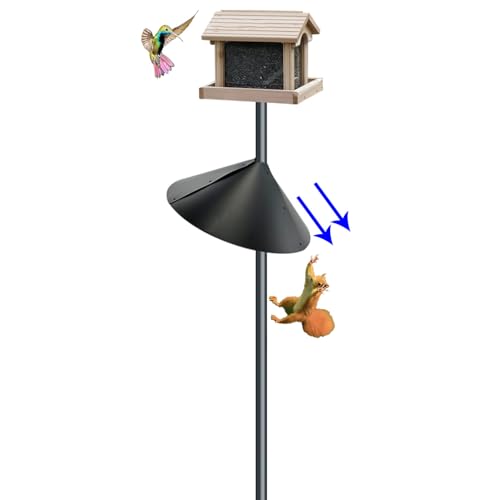
16.5-Inch Extra-Wide Design: Blocks squirrels, raccoons, and other rodents from climbing or jumping onto bird feeders. The broad, angled surface prevents animals from bypassing the baffle, reducing seed waste and keeping birds undisturbed.

High Quality Metal: The black squirrel barrier is made of high quality iron ally which adopts electroplating process, it has good resilience, durable and not rusty. It is a perfect squirrel deterrent to protect outdoor bird feeder poles
Lock the Inner Pole Height With a Hitch Pin or Fastener
Locking the inner pole height with a hitch pin or fastener is straightforward. Drill aligned holes through both tubes at your desired height points, then insert the pin to lock the position. For finer adjustments, space the holes closely—every 1/4 inch or less—so you can select a precise height setting. This method provides a positive-engagement lock that physically prevents movement, making it more reliable than friction-only solutions. To avoid accidental dislodging, be aware that securing the trap against wildlife tampering requires a similar positive lock. This same principle of a positive lock is essential when stretching chicken wire tightly to prevent sagging and wildlife entry.
Choose a durable material like a spring-steel push button or a sturdy hitch pin to withstand shear forces and repeated use. Ensure the finish matches your design style, with cleanly drilled holes and matching pin finishes to keep the setup looking intentional rather than makeshift. Drill the holes only after you finalize your range of height adjustments. Once drilled, insert the pin through both tubes at your chosen hole for a secure lock that won’t shift under wind or load. This approach delivers stable, adjustable height control without binding or wobbling, resulting in a solid and reliable setup. For a truly resilient outdoor project, you might also consider top bee traps that use similar locking mechanisms to withstand persistent wildlife interference.
Attach Cross Arms and Cup Hooks for Multiple Feeders
To attach cross arms and cup hooks for multiple feeders, start by selecting a sturdy crossbar—either a wood crossbar for easier screw-in hook installation or a metal T-bar suited for conduit poles. Secure the cross arm at the top of your pole, ensuring it is mounted level and firmly attached. This balanced setup evenly distributes the weight of multiple feeders and prevents swinging or swaying. Using the correct fixings is essential, as improper spacing and fixings are common mistakes that weaken the overall job. The assembly process is designed to be completed quickly, often in under two minutes, without requiring assistance. Note that while coyote urine is sometimes used as a deterrent, it is not proven to reliably keep squirrels away from feeders. For a more effective approach, consider that these urine-based repellents are similar in uncertainty to ultrasonic mosquito repellers, which lack reliable scientific support.
Pre-drill holes into the wood crossbar to avoid splitting when installing cup hooks. Screw in the hooks before accessing the top of the pole becomes difficult. Space the hooks between 2 to 5 inches apart to prevent feeders from swinging into each other. Proper spacing and secure mounting create a stable, functional hub for offering different seed blends or suet from a single location.

SCREW-IN HOOK FOR SMALL ITEMS: This cup hook screws into wood to hang mugs, keys, jewelry, utensils, and other small items, giving a tidy, easy-access hanging spot in the kitchen, workshop, entryway, or anywhere clutter needs organizing.

If you are fed up with the problem of easy peeling of adhesive hooks, then try this vinyl coated cup hooks

PACK OF 25: Vinyl Coated Ceiling Hook, Mug Hook, Cup Hook or Storage Hook, help create extra space in your kitchen by hanging cups, cups, pots, brooms and other goods.
Mount a Cone Baffle 4 to 5 Feet Above Ground to Block Jumping
Mount the cone baffle so its bottom is 4 to 5 feet above ground. This height is effective because it prevents squirrels from jumping over it, as they can leap roughly 4 feet vertically from a standstill. Any lower, and they can easily bypass the baffle. Use a 24-inch wide cone with a smooth metal surface, as smaller sizes can be leaned around by squirrels. For reliable exclusion, the baffle design must prioritize quality and performance to ensure no gaps or weak attachment points allow squirrels to bypass it. Secure the baffle tightly with clamps or U-bolts below the feeder to prevent sliding or wobbling. Avoid hanging the feeder too low, since squirrels can jump sideways from the baffle and reach the feeder. Proper baffle placement complements your overall setup, much like birdhouse placement affects nesting success. For added nighttime visibility, consider installing solar lighting near the pole to keep the area safe without attracting unwanted pests. Unlike predator urine repellents such as coyote urine, which have unreliable results for repelling animals, this physical barrier offers proven effectiveness. For a similar approach to pest control, consider how top gnat traps use effective physical barriers to capture insects without relying on chemicals.
Place Your Squirrel-Proof Pole 10 Feet From Trees, Fences, and Decks
Place your squirrel-proof pole at least 10 feet away from trees, fences, decks, railings, walls, and roof edges. This open space prevents squirrels from launching onto your feeder. The key is to position the pole where squirrels cannot jump directly onto it, protecting your birdseed effectively.
Be mindful of overhead branches as well. Squirrels often drop from above, so check for vertical clearance and ensure there are no low-hanging limbs within 10 feet of the pole. Measure a full 10-foot radius from the chosen site before digging to account for any nearby launch points. Dense shrubs and low branches outside that zone act like launch pads, so keep them beyond this distance. Similar to trapping chipmunks in your yard, proper placement helps ensure unwanted animals are effectively deterred.
Treat 10 feet as the minimum buffer. If your yard allows, extend this distance further for added protection. Using a tape measure now helps you avoid baffle failures later by ensuring your placement is precise and effective. The goal is to create a safe, open space that squirrels find difficult to bridge, ensuring your feeder stays squirrel-free.
Three Extra Deterrents That Actually Work: Jelly, Slinky, and Safflower
Jelly, slinky, and safflower seed are three extra deterrents that can help protect your bird feeders from squirrels, but their effectiveness varies. Jelly is the least reliable: its sticky coating can deter squirrels temporarily but tends to lose effectiveness after rain, causing messes on feathers and hardware, and requires frequent reapplication. Consider it a minor, anecdotal addition rather than a primary solution.
A slinky secured at the top of your pole offers a more reliable physical barrier. Its bouncing coil creates an unstable, moving surface that squirrels find difficult to climb. Squirrels need stable footing, so the unpredictability of a slinky disrupts their attempts. Be sure to place the slinky correctly—at the top of a vertical pole—and remember that a nearby structure could still allow jumping access, so strategic placement remains essential. This design works because squirrels dislike the stretch and wobble of the coil.
Safflower seed works by reducing food appeal rather than blocking access. Many squirrels dislike its bitter taste, which discourages them from feeding despite being able to reach it. Meanwhile, several songbirds find safflower acceptable, so it can support your desired species. Use safflower seed exclusively in your feeder without mixing it with more attractive options to increase its effectiveness. Keep in mind that results can differ based on your location and local squirrel behavior.
Treat Your Pole as Highly Resistant, Not Foolproof: And Enjoy It
Even the best-built pole won’t stop every squirrel, so treat your setup as highly resistant, not foolproof. Keep your pole at least 8 to 10 feet away from nearby trees, fences, and railings because squirrels can jump impressive distances. Open-space placement is more effective than placing the feeder near structures, which give squirrels jumping points. Mount a baffle 4 to 5 feet above the ground to prevent climbing access, and choose a smooth metal pole without ledges or hardware that squirrels can grip or utilize as footholds. Make sure to anchor your pole securely; a wobbling setup reduces the baffle’s ability to deter determined squirrels.