

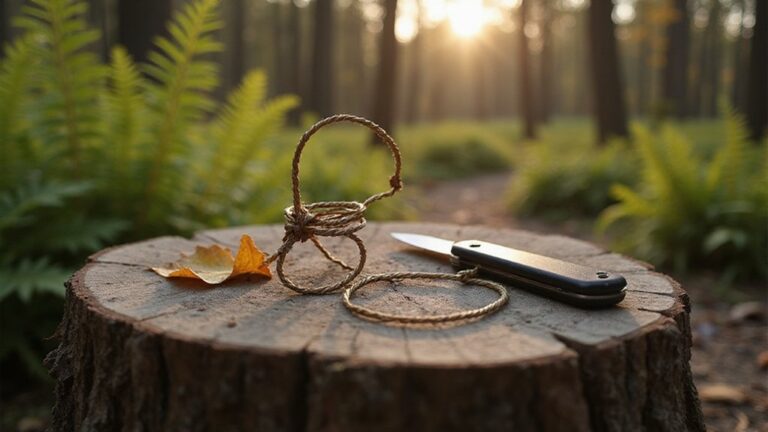
If you’re wondering how to set up a humane rabbit snare without breaking the law, you’re in the right place.
Using a simple ground-level loop made from brass wire, you can create an effective trap to catch rabbits humanely.
The key is understanding the right size and placement to ensure safety and success.
By the end of this guide, you’ll know how to build and install a legal, effective snare that prioritizes humane catching.
Keep reading for the full step-by-step instructions.
Stop. Is Snaring Even Legal Where You Live?
You need to check your local laws before building a rabbit snare because their legality varies by region. In some places, such as Maine, snaring is largely forbidden, while in others like England, it remains legal under strict conditions. Even if it is permitted in your area, you must obtain landowner permission and consider the environmental impact, especially on non-target species and protected animals like certain birds. Violating these laws can lead to serious legal consequences. Additionally, ethical concerns require you to check snares daily and humanely kill any captured rabbit. Failing to do so not only causes suffering but also breaches animal-welfare regulations. Because regulations depend on regional rules, trap type, and species involved, it is essential to research and verify the law in your specific jurisdiction before setting any snares. Similarly, if you are dealing with indoor pests, you might look for a fruit fly trap designed to capture them without the legal and ethical complications of snares. For those specifically targeting carpenter bees, you may want to review the top bee traps designed for them to compare options and ensure you find a perfect fit for your needs. For other small mammal issues, researching the best chipmunk trap can help you select a more targeted and legal capture method.
Design Only Free-Running, Stopped, Ground-Level Snares
Free-running, stopped, ground-level snares must incorporate three essential features: they must slide freely when pulled, have a fixed stop, and be placed at ground level. The trap mechanism should not lock tight but instead allow smooth movement, minimizing the risk of strangulation while still holding the animal. A stop should be fixed about 13 to 14 centimeters from the running end to prevent excessive closure, maintaining humane standards. The loop bottom needs to be positioned approximately 8 to 9 centimeters above the ground within a well-used rabbit run, centered with a support stick for stability. Unlike lightweight chicken wire snares, which rabbits can easily chew through, this design relies on a strong cable that is resistant to gnawing. It is also important to note that wasp spray is not a viable repellent for this setup, as its flammability makes it unsafe near dry grass and outdoor traps. For added realism, you can incorporate a simple coyote decoy nearby to deter scavengers from disturbing the trap.
These design elements are not optional; they are mandated by law and ethical standards. The free-running action, fixed stop, and ground-level placement work together to ensure the snare is both effective and humane. Ignoring any of these features can result in injury to the animal and legal repercussions. Sticking to these precise specifications guarantees a responsible and compliant setup.

Snare trip wire
Materials List: Brass Wire, Tealer Sticks, and Pegs
To build your snare, you’ll need three main materials: brass wire, tealer sticks, and a peg. Use 20- to 22-gauge brass wire, which is less prone to kinking and flexible enough to shape easily into loops. Cut about 2 to 2.5 feet of wire; this length provides enough for the entire snare setup. For the tealer stick, choose one roughly an inch thick and between 6 to 8 inches long. Slotted or forked ends are preferred because they help hold your loop securely in place. The sturdy peg should be between 12 to 18 inches long—you’ll need to drive it firmly into the ground to anchor the snare properly. A single 25-foot bundle of heavy duty brass snare wire yields enough material for approximately 10-15 snares. Similar to how squirrel-proof feeders protect bird seed, these materials help keep your bait safe from larger animals. Using safety precautions such as wearing gloves can prevent injury while handling the wire and stakes.
These materials support effective bait placement and help you conceal the snare naturally. Position your tealer stick so it holds the loop exactly where rabbits tend to travel. Use natural debris to hide the peg and wire, ensuring the trap remains discreet. Also, set a small stick below the snare to prevent ducks-under behavior and avoid false triggers. For additional protection during setup, wearing a full bee suit has been tested to shield you from wasp stings while you work near nests.

No cutting tools needed, just twist to cut.

FOR 14 INCH SNARE DRUMS - Designed for 14" snare drums with 24 strands of wire

MEDIUM GAUGE - 30 strands of medium gauge wire available in 12”, 13”, & 14”.
How to Twist the Wire and Form the 4-Inch Noose
To twist the wire and form a 4-inch noose, start with a 20- to 30-inch piece of brass wire. Create a small eye at one end by making six or seven tight twists. During twisting, hold the wire at a 90-degree angle, keeping the strands parallel to ensure even tension. Slide your fingers along the wire as you twist to produce a tight, uniform spiral. Stop twisting when only a short tail remains to prevent loose wraps. Use a small stick for snare placement stabilization to keep the noose properly positioned. For pond environments, consider mosquito dunks to control larvae in standing water. For broader outdoor pest management, you can also deploy top outdoor mosquito traps to target adult mosquitoes in the same area. For securing potted plants against pests, galvanized chicken wire offers a durable barrier that resists rust and weathering.
Next, make the loop by passing the unaltered end of the wire through the small eye, forming the noose. Shape this loop to be about 4 inches in diameter—roughly fist-sized—for effective use. Ensure the loop remains round and open rather than flattened. This size offers a good balance: small enough for precise targeting and large enough for a clean capture. Verify that the loop moves freely through the eye, then tighten the twist to lock it in place. This forms a solid foundation for your snare, combining control with reliability.

Battery Operated Picture Light: This 19.69 inch picture light features a built-in 9000mAh rechargeable battery and includes a USB-C charging cable. Eliminating the need for hard wiring, this gold wireless art light is entirely battery-powered. A single charge provides extended use, lasting up to 30 hours at its lowest brightness setting.

Rechargeable Battery Operated Picture Light: Made of full metal construction, powered by 3.7V 5000 mAh lithium battery, 2-3.5 hours full charge supports lighting up to 10 hours at max brightness and 50 hours at min brightness, USB cable included

Premium Raw Brass Wire: Made from high-quality raw brass, this 20-gauge square wire is designed for strength and durability, perfect for all your crafting needs.
Install the Fixed Stop and Tealer Stick Correctly
To install the fixed stop and tealer stick correctly, start by crimping the stop onto the cable. Check local laws first— in England and Wales, place it about 23 centimeters from the eye, while Scotland requires at least 23 centimeters from the running end. Some sources recommend 14 centimeters for rabbits. The stop prevents the loop from fully closing, keeping it free-running and safe for the animal’s welfare. Unlike a mosquito zapper, which kills indiscriminately, a properly set snare targets specific animals and requires regular monitoring for non-target catches.
Next, position the tealer stick firmly to one side of the run, angled slightly inward. Use a notched twig or a 2–3 millimeter wire to ensure rigidity, as the choice of material influences scent detection and durability. Proper installation is crucial: the tealer must hold the loop upright and centered to prevent the snare from shifting off target. Avoid placing the stop too close or too far from the eye, as both mistakes can compromise the catch. Using natural cover like mud to mask human scent on the tealer stick can improve concealment and trap success. For further concealment, you might apply mosquito bits to nearby damp areas to reduce insect activity that could disturb the set. For the best results, always set the trap in a location with clear animal tracks or runs to increase the likelihood of a catch.

This sale is for 100 mini steel snare cable ends. Easy to pound on, fits 3/32nd diameter & smaller cable. Has "threads" on the inside to grip the cable.
Where to Set Your Snare on Rabbit Runs (Legally)
To set your snare legally, you must have landowner permission or own the land outright. Confirm this before placing any snare, as unauthorized snaring is illegal. In England, follow species-specific rules and always use only free-running snares checked daily to ensure animal welfare and compliance. Unlike ineffective electronic deterrents, ultrasonic repellents do not physically exclude pests, so physical traps like snares remain the only proven method for targeted removal.
Use animal tracking techniques to find active rabbit runs rather than random paths. Look for signs of recent activity, such as fresh droppings, fur, or disturbed vegetation. Focus on well-used runs close to rabbit burrows or cover where rabbits feel secure. Select straight sections of the run, avoiding bends or crossings that increase the risk of injury or non-target captures.
Choose your placement in short, open vegetation where the snare can present a proper loop. Avoid obstructed areas with saplings, fences, or debris, as these can cause injury or trap unintended animals. Steer clear of pinch points caused by roots or rough edges that might harm the rabbit or make snaring ineffective. For legal setups that also protect your rabbit habitat, consider using heavy-duty galvanized chicken wire around any nearby garden or run to prevent unwanted access and reinforce your snaring area. Pond netting offers a similar protective barrier for water features, though it is not designed for terrestrial snare setups.
Placement is primarily a compliance matter, so always verify landowner permission before setting on any run. Proper site selection not only improves effectiveness but also ensures your activities stay within legal boundaries.

[CUTTABLE, SPLICEABLE] Chicken wire mesh measures 16.9 inches x 32.8 feet, which is suitable for large areas. Galvanized chicken wire is soft and flexible but stronge. It is bendable and easy to cut. You can also join mesh together if the height is not enough. Chicken wire fencing is double hot-dip galvanized for maximum rust protection and longer life. Designed with double twist hexagonal, chicken fence is more durable and less likely to break
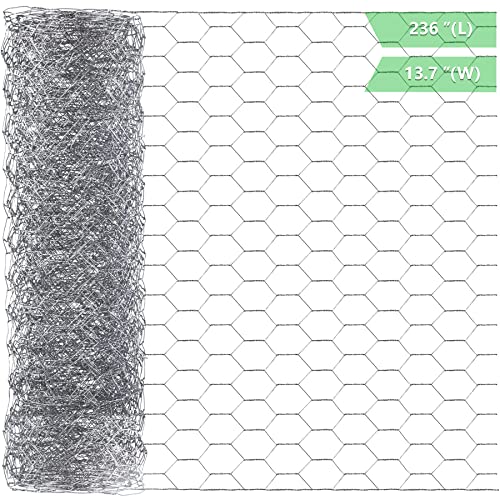
【Large Size】Each mesh is 13.7 inch (width) x 236 inch (length) / 0.35 m x 6 m, 0.8 x 1.38 inch mesh. Wire fencing is long and wide enough to enable you to cut off any shape that you need
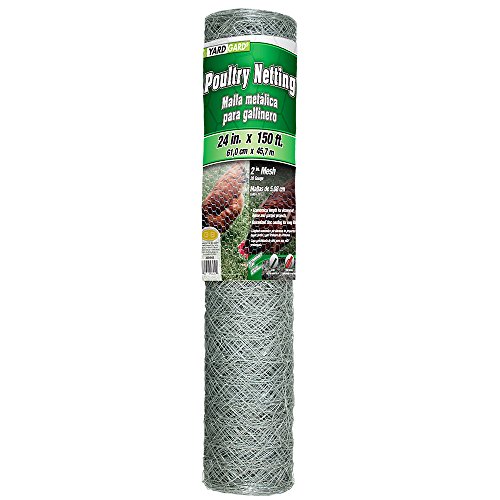
HEAVY DUTY MATERIAL – Made from strong yet lightweight 20‑gauge galvanized steel designed to endure outdoor conditions and long‑term farm use
Tether Your Rabbit Snare Securely Without Risk
To tether your rabbit snare securely and without risk, drive a sturdy peg into the ground at soil level—make sure it’s flush and not protruding. Use strong, rot-proof cord like baler twine, avoiding weak strings that can snap easily. The tether must be capable of resisting the force of a struggling rabbit to prevent it from dragging the snare away. Attach the cord to the snare and anchor it to the peg, installing a breakaway as the weakest point to keep the snare free-running while remaining securely anchored. For added stability, consider using a fogger backpack to dispense scent lures around the trapping area without disturbing the setup. This humane setup ensures the rabbit cannot reach obstacles or cause injury, and it is essential to regularly check the stability of all components to prevent any loose ends or potential risks. Proper anchoring and tension are critical for safe, ethical trapping. For even more effective trapping, consider using the best bait from groundhog strategies to increase your chances of a catch.
Check Snares Every Day: Or Face a Fine
Checking your rabbit snares daily is a legal requirement in many areas. You must inspect each snare at least once every 24 hours to avoid fines or prosecution. Morning checks are most effective because most animals are caught overnight. During your inspection, verify that the snare remains free-running—if it is not, remove or repair it immediately to prevent unnecessary suffering or missed catches.
Regular daily checks also uphold ethical standards by preventing prolonged distress for captured animals and ensuring non-target species are released promptly. This humane approach isn’t optional; it’s mandated by law. Remember, regulations can differ depending on your location, so always familiarize yourself with your local trapping rules to stay compliant.
Caught a Rabbit or Non-Target? Your Legal Release Duty
Once you’ve caught an animal, whether it’s your target rabbit or a non-target species, the law requires immediate action: release it at the capture site without delay if it is uninjured or has only minor cuts. You have no discretion here; it’s a legal obligation meant to protect wildlife and ensure compliance. If the animal is severely injured, humane dispatch might be permitted, but don’t make that call alone—contact wildlife authorities for guidance if a safe release isn’t possible. For protected species, additional rules apply, and releasing them improperly can be an offense. Always document your actions thoroughly to prove you followed the law. Using catchpoles or barriers can help ensure safe handling and release. Neglecting these duties can lead to fines or loss of trapping privileges. Check local regulations for specific species lists and restrictions because your responsibilities start the moment you catch an animal.
5 Mistakes That Make a Rabbit Snare Illegal and Dangerous
Using a self-locking snare design is a major mistake that makes your trapping illegal and dangerous. These types of snares can tighten beyond control, causing unnecessary suffering or even trapping non-target animals. Instead, you must use a free-running or relaxing-lock type with a fixed stop, which limits how much the snare can close. This allows for legal compliance and ensures a safer, more humane trapping process. Always check local regulations to confirm the specific type of snare permitted in your area, as laws vary. Avoiding self-locking designs helps you stay within legal boundaries and prevents potential harm to wildlife.