

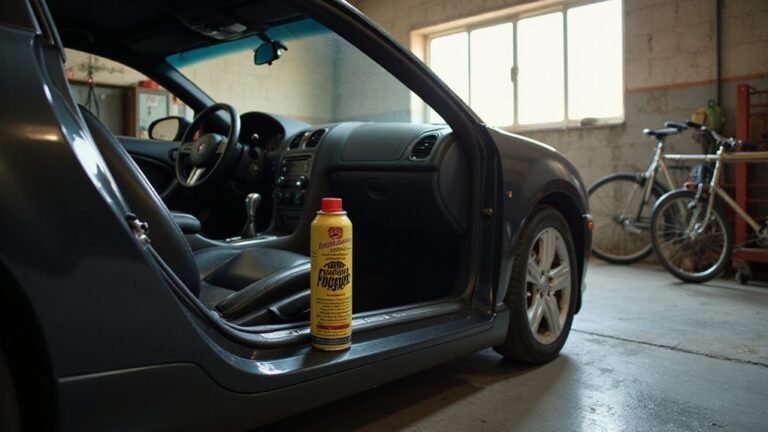
Thinking about bug bombing your car to get rid of pests? It’s tempting, but it’s actually unsafe and ineffective. The chemicals can make your vehicle a hazardous fire risk and only reach visible spots—missing pests hiding deep inside cushions or behind dashboards.
Plus, the lingering residue can cause ongoing problems for your car’s surfaces and electronics.
Luckily, there are better ways to handle pest issues in your vehicle. Keep reading to learn why bug bombing isn’t the answer and what you should do instead.
Why Bug Bombing a Car Is Never Safe
Bug bombing a car is never safe because it turns your vehicle into a toxic, flammable hazard. These foggers release concentrated pesticides and flammable aerosols into an enclosed space, creating a hazardous cloud of chemicals and fire risk. Using a bug bomb inside a small, sealed car cabin exposes you to dangerously high levels of vapors. Inhaling these fumes can cause headaches, nausea, and breathing problems, jeopardizing your health. Residue from the fogger settles on surfaces like the steering wheel, seats, and carpets, leading to ongoing chemical exposure whenever you touch or disturb them. Skin and eye contact risks increase significantly. If you have asthma or respiratory issues, the danger is even greater. Additionally, the flammable propellants can ignite from your car’s electrical system, creating a potential explosion. You must ventilate the vehicle completely before re-entering, but toxic residues may remain, posing continued health risks. For targeted removal, consider using specialized bee traps instead of foggers. Overall, bug bombing a car is an unsafe practice that puts your safety and health at serious risk.
Why Bug Bombs Just Don’t Work in a Car
Bug bombs simply don’t work in cars. They rely on a mist that settles only on exposed surfaces, missing pests tucked away in seat foam, dash cavities, and door panels. Chemical residues may briefly reduce visible bugs on surface areas, but the primary infestation persists in concealed spaces that the spray can’t reach. Moreover, bug bombs leave food crumbs and nesting materials untouched, meaning you’ll still need to vacuum and clean thoroughly. While you might see a partial decrease in bugs, the underlying problem remains because the hidden stages of pests are unaffected. For a car, bug bombs only offer a superficial solution, not a true fix to the infestation. As noted in guidance for safe and effective use, bug bombs require a controlled indoor environment with closed windows and no ignition sources, conditions that are impossible to replicate in a car without risking chemical exposure to the driver. In contrast, a controlled environment like a live trap allows for safe handling and release of pests without lingering chemical risks.
What the Label Says About Car Foggers
The label on a bug bomb provides the definitive instructions for safe and legal use of foggers. For use in your car, you must only follow the label’s specific recommendations—only use the fogger in spaces explicitly mentioned, such as trucks or RVs. Do not assume terms like “garage” include your vehicle’s interior; read the exact wording to avoid misuse.
Car interiors are often too small—typically under 5 feet by 5 feet—and using a fogger there can be hazardous, potentially causing explosions. The label warns against using foggers in enclosed spaces smaller than that. Additionally, you must turn off all ignition sources, including the engine, before treating the area. Since wasps are often more aggressive than bees, a fogger’s chemicals may also provoke them rather than safely eliminate them, making protective gear a critical consideration if you attempt any manual removal. Similarly, tests show that bug bombs are largely ineffective against bed bugs due to their hiding behavior and chemical resistance.
After applying the fogger, strict ventilation and reentry times are specified—usually between two and four hours. If the label does not list automobiles or similar vehicles, do not use the fogger inside them. Misreading or ignoring the label can lead not only to safety hazards but also legal trouble, since using a product outside its approved instructions can violate laws and regulations.
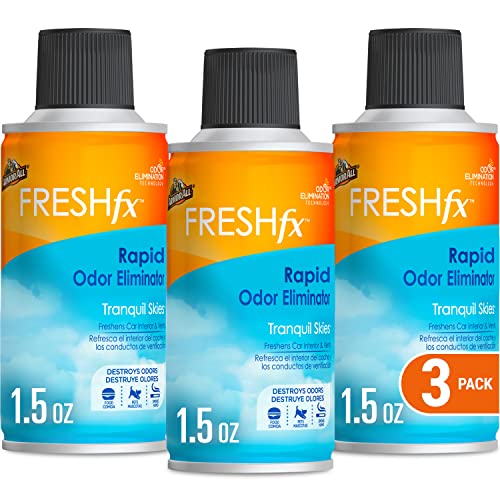
Odor Elimination Technology: 3 car fresheners for air freshening and odor removal
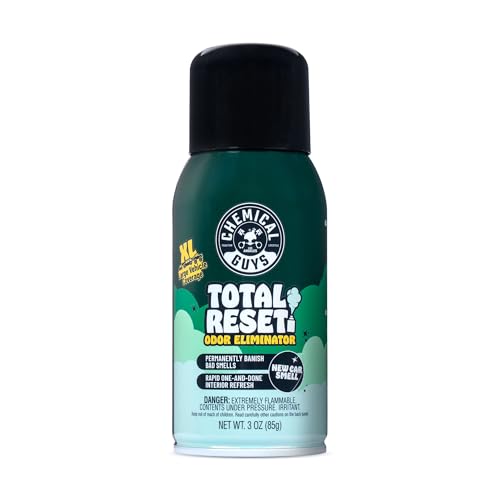
Set-And-Forget (AIRSPRAY200) - Activate once with A/C on recirculate, close doors 10–15 minutes, then air out; fog reaches under seats, carpets, and vents to neutralize stubborn cabin odors fast.
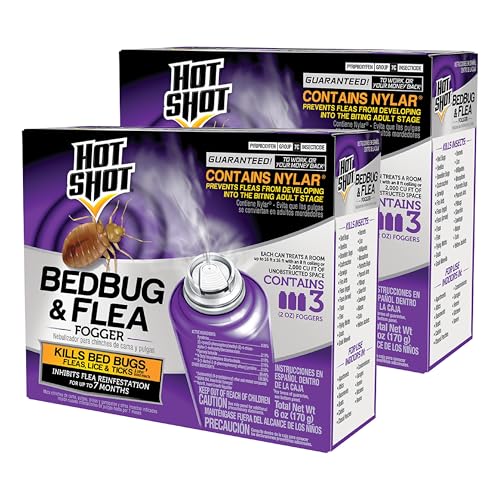
KILLS BED BUGS AND FLEAS: Hot Shot BedBug & Flea Fogger also controls lice, ticks and other listed insects.
The Hidden Risks of Bug Bombing a Car: Electronics, Residue, and Fumes
Using a bug bomb in your car can cause serious damage to your electronics and interior. The chemical residues that settle into dashboards, vents, and wiring can lead to corrosion of connectors and relay pins, disrupting your vehicle’s electrical system. These residues form an oily film on touchscreens, upholstery, and steering wheels, making them difficult to clean from porous surfaces. In addition, the fumes released during fogging pose health risks; inhaling the mist can harm your respiratory system, and vapors tend to linger inside the cabin for hours. Even after the fog disappears, residue remains, meaning you continue to be exposed every time you enter the vehicle. Ignoring these risks can jeopardize your car’s safety features and your own well-being.
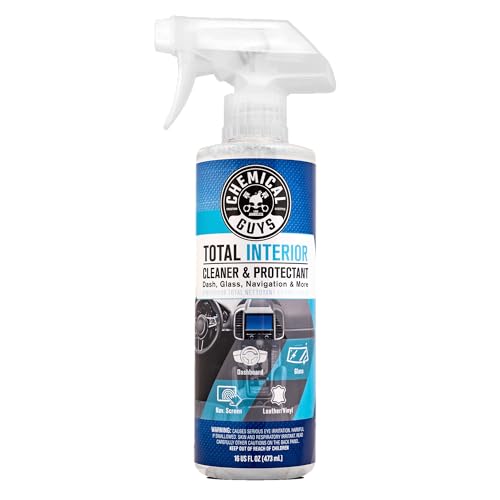
ALL-IN-ONE CAR INTERIOR CLEANER (SPI22016) – Favored by car care enthusiasts and detailers nationwide, this versatile formula cleans and protects leather, vinyl, plastic, rubber, and glass for a fresh, streak-free finish

Interior Car Cleaner Spray: One 16 fl oz bottle of Armor All Multi-Purpose Interior Car Cleaning Spray with odor elimination technology for fresh-smelling car

NEW WINDEX AUTOMOTIVE: Windex Auto Spray Cleaner lets you drive in comfort and confidence at your convenience
Better Ways to Get Rid of Bugs in Your Car Without Fogging
To effectively remove bug residue without fogging your car with harmful chemicals, start with a gentle exterior pre-soak and rinse. Use warm, soapy water applied from top to bottom, allowing it to dwell for 1 to 5 minutes to loosen dried insects. Instead of aggressive scrubbing, use a microfiber cloth or soft bug sponge with light, circular motions. For stubborn spots, try specialty citrus-based removers or eco-friendly cleaning solutions such as a mixture of baby shampoo and vinegar. Spot-treat only the affected areas and rinse thoroughly afterward. Applying a coat of wax after cleaning helps prevent future buildup. Keep a bug sponge and approved remover in your car for quick touch-ups. For more thorough results, professional detailing services can clean deeper without the need for fogging. Since you’re addressing a persistent outdoor nuisance, remember that targeting the specific habitat is key to preventing the problem from returning. Just as with outdoor feeders, choosing squirrel-proof designs can help keep unwanted pests away from your vehicle. For securing other outdoor items, it is helpful to understand the best stakes for chicken wire to ensure materials are firmly anchored.

Bug Remover for Cleaning the Bug and Insects off your Cars.

SO EASY TO GET RESULTS (CWS_104_16SW) - Add this car wash bug remover to a wash bucket or foam cannon for maximum coverage; rinse easily without streaking or residue

REPELS MOSQUITOES: DEET-free formula repels mosquitoes, including those that may carry West Nile virus.