


Struggling to catch a groundhog that keeps digging around your yard? Baiting the trap just right can make all the difference in successfully trapping it.
The trick is to use appealing scents and strategic placement to attract the animal to your trap.
With a few simple steps, you’ll set yourself up for a more effective catch.
Keep reading for the full method.
The Best Baits for Groundhogs (and What to Avoid)
Since groundhogs are herbivores, the best bait includes sweet, ripe produce. Cantaloupe consistently proves to be the most effective choice in field tests. Apples, peaches, and leafy greens also work well. Ripe, juicy fruit releases a strong scent that draws them in faster than wilted leftovers. To increase your chances, place the bait just behind the trigger plate so the groundhog has to step fully onto the mechanism to reach it. Avoid meat, fish, garlic, or onions, as these are unappealing to herbivorous groundhogs. Instead, match what they’re already raiding in your garden. If cantaloupe doesn’t attract them, try sweet corn or fresh green beans. Always use fresh, aromatic produce because stale bait does not produce the same enticing aroma. For a different type of pest, some homeowners instead rely on top bee traps to manage carpenter bees around wooden structures. Using a trap that automatically closes with a pressure plate, similar to those used in humane feral cat traps, can help prevent the animal from escaping after tripping the mechanism. For those dealing with fungus gnats in soil, mosquito bits offer a highly effective biological control method.

Not attractive to domestic animals like dogs and cats.
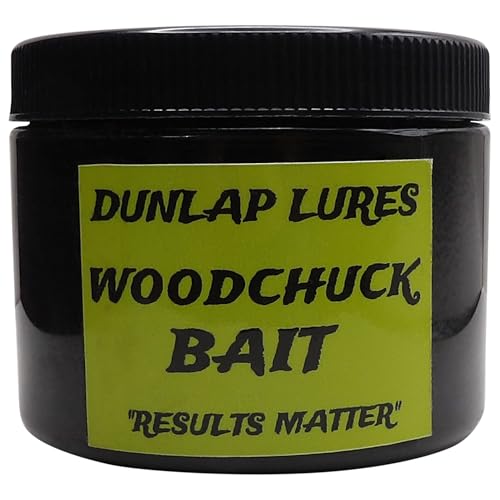
Dunlap's Woodchuck ADC Bait has a thick paste consistency.
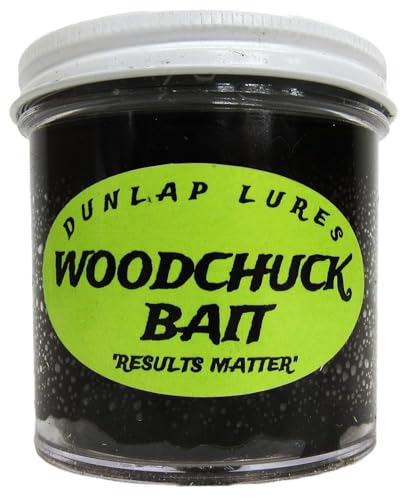
Not attractive to domestic animals like dogs and cats.
Keep Bait Fresh and Stinky Enough to Work
To keep bait effective, it must remain both fresh and sufficiently stinky. Bait freshness is critical because groundhogs tend to ignore wilted or moldy produce. Replace your bait regularly, especially after rain or hot weather, as moisture and heat cause mold and sogginess to develop quickly. Slicing fruits and vegetables open exposes juicy interiors, which amplifies scent and aroma that drift through the trap, increasing the chances of catching the target animal. Rubbing juice around the cage enhances the odor trail, making it more enticing. Keep bait shielded from direct sunlight and rain to prevent it from drying out or losing its scent. Always wear gloves when handling bait to avoid transferring human scent, which can scare away groundhogs. During hot weather, refresh bait every one or two days because heat accelerates scent loss. Remove moldy parts immediately to prevent contamination and spoilage. Store replacement bait in a cool place to preserve its aroma, ensuring the scent remains strong enough to attract groundhogs. The key is maintaining a potent, fresh smell to draw them in effectively. Similarly, when using netting for your pond, keeping it clean and free of debris ensures it remains effective and durable. Choosing the right material, like galvanized steel mesh, will also resist rust and hold up against weather and pests. For best results, consider using one of the top-rated live traps designed specifically for groundhog control.

HUMANE ANIMAL TRAP CAGE – Ideal trap for stray cats, as groundhog trap, raccoon trap, skunk trap, trap for small dogs, fox trap, and armadillo trap

HUMANE CAPTURE: This large live animal trap safely captures raccoons, cats, possums, and other small animals with a 1-door design that allows full entry before closing, reducing escape chances for effective pest control

High Quality Materials:SZHLUX Live Animal Cage Trap use low carbon steel wire and medium frequency welding. In this way, the product surface is flat, the welding is firm, and it is not easy to solder off.Weather and rust resistant.
How Much Bait to Use Without Wasting It
Use about a tablespoon of bait per trap. This amount provides a strong scent and visual cue to attract animals without overflowing the trap. Single small pieces like an apple slice or carrot scrap are often ignored, so aim for a small pile of bait placed near the trigger zone. Keep it compact and appropriately sized for the trap, ensuring larger chunks fit naturally and don’t crowd the floor. For additional protection around the garden, consider using top bug netting options to keep pests away from your plants. Proper bait placement guides the animal inward while avoiding spillage or unnecessary clutter. Similar principles apply to other pests, as yellow jacket traps also rely on a strong scent cue to lure targets effectively.

Jawz Heavy Duty Rat and Chipmunk Trap with New expanded catch area and Bait Reservoir
Where to Put Bait Inside a Groundhog Trap
Placing bait correctly inside a groundhog trap is crucial to ensure a successful catch. For a one-door trap, position the bait at the very rear, beyond the trigger plate, so the groundhog fully steps inside before triggering the door. Avoid placing bait near the trap’s front or along the walls, as the animal might reach in without entering fully. Use a small container like a cup or mesh bag to hold the bait securely, preventing theft or dislodging. In a two-door trap, place the bait centrally, near the middle or directly on the trigger plate, encouraging the groundhog to enter between both doors. Proper placement helps motivate the animal’s entire body to move inside the trap, increasing the chances of triggering it quickly. Regularly check the trap’s trigger mechanism to ensure it moves freely and closes swiftly once the groundhog is caught. Deep, strategic bait placement, combined with trap maintenance, helps prevent theft and guarantees a successful capture. For safety, never use chemical wasp sprays to clean or scent the trap, as their residual toxins can harm the groundhog and other non-target wildlife. Always follow effective Havahart trap setup tips to properly position the trap on level ground and avoid disturbing the surrounding area. For added security, consider reinforcing the trap’s exterior with heavy-duty chicken wire to prevent damage from larger animals.

Package Include: 10 X Fishing Bait Cage (5*Red+5*White) .

HIGHLY EFFECTIVE - Strong and long-lasting Woodchuck Salad. Our formula will hold up against dry and rainy weather.

CONTROL LARGE INFESTATIONS: Victor Refillable Rodent Bait Station is an extra-large bait station that holds several bait blocks to control large infestations
Where to Set a Groundhog Trap for Maximum Traffic
The best trap location is within 5 to 10 feet of the burrow entrance. Groundhogs tend to stay close to their dens, so placing the trap near where they emerge or enter is key to catching them. Focus on spots along their natural travel paths—such as worn-down trails between the den and feeding areas or under fences that channel their movement. Look for signs of activity like gnawed plants, freshly dug-up soil, or disturbed vegetation to help identify the most promising sites. Make sure the ground is level and stable so the trap remains steady and doesn’t wobble when triggered. Set the trap during daylight hours when groundhogs are most active, avoiding nocturnal trapping times. This approach aligns with their daily routines, increasing your chances of success. You can also consider using a simple build process for bait containers, similar to DIY fruit fly trap methods, to keep the bait fresh and contained. For additional guidance, consider how a squirrel-proof bird feeder uses durable construction to resist tampering, a principle that can help secure your bait container against scavengers.

Plano Tackle Storage | Protecting your passion since 1952
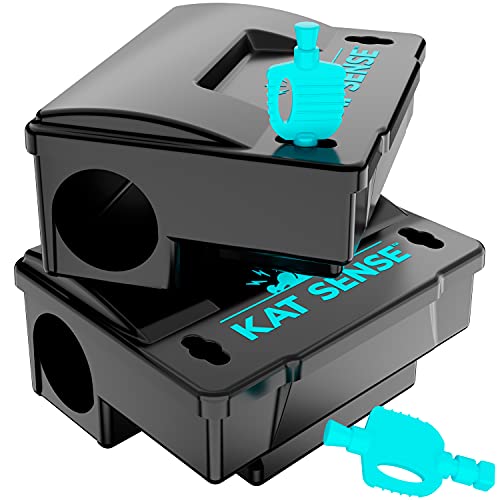
Eradicate Rodents Effectively - with tamper-resistant mouse and rat bait stations by Kat Sense. Loaded with your preferred mouse or rat poison, they discreetly rid your property of vermin without messy and dangerous mouse traps.

Quality and Material Reliability: crafted from plastic material, the bait cage demonstrates resistance against deformation, anti corrosion, ensuring a lasting fishing experience; Built to withstand the test of time, the fishing bait cage is a nice tool for a seamless fishing adventure
Simple Tricks to Make the Trap Feel Less Suspicious
To make the trap feel less suspicious, focus on camouflaging it to blend seamlessly into the environment. Cover all shiny or reflective surfaces with materials like leaves, grass, or dirt from the immediate area. Avoid using anything bright or unnatural; the goal is to make the trap disappear into the landscape so the groundhogs see it as just another part of their surroundings. This approach also reduces the chance of tampering by keeping the trap hidden from passersby. A similar logic applies to wasp control, where proper camouflage and scent masking are critical to prevent defensive behavior. The same principle of reducing visual disturbances also applies when using chicken wire for squirrels to block access to gardens or traps. For larger exclusion tasks, selecting the best chicken wire ensures the barrier is durable enough to withstand persistent digging or gnawing.
Scent masking is equally important. Always wear gloves when handling the trap and bait to prevent transferring human odor. Rub cantaloupe or corn juice on both the inside and outside of the trap to overpower your scent. Use strong-smelling foods such as peanut butter or cantaloupe and refresh them daily to keep the aroma fresh and potent. This helps make the trap smell like a usual food source rather than something foreign. To build trust and confidence, scatter a few bait pieces near the entrance, creating a natural-looking trail that leads inside. This encourages groundhogs to approach with less suspicion.
Common Baiting Mistakes That Let Groundhogs Escape
Placing bait properly is crucial to prevent groundhogs from slipping out of the trap. If you set bait too close to the entrance, they can grab it without fully entering the trap, reducing your chances of capture. Instead, position the bait further inside, past the trigger plate, to ensure complete entry. In a single-door trap, place the bait at the rear, beyond the trigger; in a two-door trap, put it directly over the trigger in the middle. Avoid tucking bait against the side walls, where groundhogs can reach in without stepping on the trigger. Keep the bait centered and unobstructed to encourage full entry. Using fresh, appealing bait such as cantaloupe, apples, or corn helps attract groundhogs, especially if it matches their current diets. Stale or wilted bait will be less enticing. Don’t rely on just one type of bait; observe what groundhogs are already eating and select accordingly. Finally, place the bait deliberately, ensuring it guides the groundhog onto the trigger plate securely, rather than leaving it placed casually or haphazardly. However, if you are also dealing with cats, consider that motion-activated sprinklers offer a humane alternative for repelling them from gardens or trap areas. For additional deterrence against other wildlife, a raccoon baffle can prevent larger animals from accessing the trap or feeder area, keeping your setup secure. For raccoons, selecting a live animal trap with a sensitive trigger and sturdy construction is essential to ensure reliable capture and prevent escapes.
Three Safety Checks Before Leaving a Groundhog Trap
Evaluate weather and temperature exposure carefully. Avoid leaving the trap in direct sunlight or on hot surfaces, as excessive heat can harm the animal or cause the trap to malfunction. Provide shade and cover from rain to prevent the trap from becoming waterlogged, which can stress or drown the animal. However, do not enclosure the trap in full plastic or airtight containers, as condensation can build up inside and cause discomfort or injury. In cold weather, add insulation or bedding inside the trap to keep the animal warm and minimize stress during prolonged confinement.
Why Fresh Bait Beats Perfect Trap Placement
Fresh bait often wins over perfect trap placement because groundhogs rely primarily on their sense of smell to find food. No matter how precisely you set the trap, a weak or stale scent won’t lure them in. Using fresh produce like cantaloupe or lettuce releases strong, natural aromas that spread well, even in bad weather. This scent attracts groundhogs from a distance, making trap placement less crucial. Fresh, moist vegetables also keep their scent longer than wilted or dried alternatives, eliminating the need for preservatives. Once they’re close, the strong aroma encourages them to step directly onto the trap rather than hesitating. Focusing on fresh, aromatic bait that matches their current diet gives you a far better chance of success than obsessing over perfect placement.