


Struggling with pesky fruit flies in your kitchen? A simple trap using everyday ingredients can effectively reduce their numbers.
By understanding how to set it up and why it works, you can keep your space fly-free without harsh chemicals.
Keep reading for a straightforward method that actually gets results.
The 2-Ingredient Apple Cider Vinegar Trap That Works
Pour about half an inch of apple cider vinegar into a jar or glass, keeping it shallow. Your trap setup includes stretching plastic wrap tightly over the top and poking small holes with a toothpick or fork. These holes allow fruit flies to enter but make escape difficult. Add one drop of dish soap to the vinegar and gently stir to break the surface tension. The vinegar’s scent attracts flies while the soap disrupts surface tension, causing them to sink. Place the trap near the area with the most fruit fly activity, such as your kitchen sink or trash bin. Leave it overnight and check the next day. This trap works best when you choose from the top fruit fly traps reviewed for lasting home protection. Refresh the bait every two days to maintain effectiveness and replace the entire trap once it becomes full of dead flies. Unlike chemical sprays such as wasp spray, which can be toxic to pets if used indoors, this fruit fly trap uses only non-toxic ingredients.

COMPREHENSIVE COVERAGE: 4-pack of TERRO fruit fly traps for indoors with 180 days of lure supply provides comprehensive pest control coverage for your home's fruit fly infestations

Fast Acting & Long Lasting: Our formula is designed to bait & rid your home of fruit fly infestations fast; the powerful attractant lures fruit flies in as soon as the top is open; Lasts up to 30 days

Fast Acting & Long Lasting: Our formula is designed to bait & rid your home of fruit fly infestations fast; the powerful attractant lures fruit flies in as soon as the top is open; Lasts up to 30 days
Why Vinegar Attracts Fruit Flies (and Soap Drowns Them)
The soap is a crucial component in your vinegar trap because it acts as a surfactant, not an attractant. It breaks down the surface tension of the liquid, making it impossible for flies to land and rest. When a fruit fly touches the soap-enhanced mixture, it breaks through the surface and is quickly pulled under, drowning in the liquid. To keep your trap effective, replace the mixture weekly. This ensures the acetic acid in the vinegar stays fresh and inviting to flies. For a more durable setup, you can construct the trap using cheap materials like wire mesh and a jar. Regular maintenance prevents the soap from losing its ability to cause flies to sink and drown, keeping your trap as efficient as possible. Unlike wasp spray, which uses powerful neurotoxins to kill pests on contact, this vinegar trap relies on a simple drowning mechanism that is safe for indoor use. For larger wood-boring pests like carpenter bees, a top bee trap uses a similar drowning method but with a wooden entry tunnel to mimic a nesting site.
Step-by-Step: Set Up Your Fruit Fly Trap in 2 Minutes
To set up your fruit fly trap in just two minutes, gather a small jar, apple cider vinegar, dish soap, plastic wrap, a rubber band, and a toothpick for holes. Pour about a quarter cup of vinegar into the jar, then add one drop of dish soap. Gently swirl to mix without creating foam. Cover the top with plastic wrap, secure it tightly with the rubber band, and poke several tiny holes with the toothpick. This creates a simple yet effective trap that maximizes attraction by allowing flies in but making it difficult for them to escape. Place the trap near fruit or areas where fruit flies are active, and leave it to work. For best results, position the trap near a fruit bowl or compost bin to catch flies at their source. Check it after a few hours—when full or ineffective, pour out the liquid and recycle the jar. For yellow jackets, different baits are more effective, such as cat food or meat. Using a chicken wire fence can help protect outdoor compost piles from larger pests. Repeat as needed with fresh vinegar and soap for ongoing control.

4 PACK OF REFILLS: Use this 4-pack of liquid lure refills designed specifically for TERRO fruit fly traps, as the bait formula helps to provide continuous protection against fruit flies and gnats in your home for up to 180 days (45 days per refill)

Highly Effective & Reliable Fruit Fly Catcher: This fruit fly trap is expertly engineered to stop fruit flies where they hover most—kitchen counters, trash bins, and near fruit. See results in just 24 hours!

COMPREHENSIVE COVERAGE: 6-pack of TERRO fruit fly traps for indoors with 270 days of lure supply provides comprehensive pest control coverage for your home's fruit fly infestations
Where to Place Your Trap for Maximum Capture
Place your trap within the upper two-thirds of the host plant’s canopy, roughly halfway to two-thirds of the distance from the trunk to the outer foliage. This location intercepts fruit flies where they typically mate and rest. Keep the trap on a sturdy branch near the canopy edge, avoiding deep burial to allow easy entry. An open airflow is crucial, so choose a spot that isn’t congested or blocked by dense foliage, ensuring flies can find and enter the trap efficiently. For a cost-effective solution, consider using cheap materials like a plastic bottle and apple cider vinegar. If you are also installing bird netting, ensure the netting spacing is correct to prevent entanglement and maintain trap access. For additional pest control, note that wasp spray does not effectively kill termites and poses safety risks, making dedicated solutions a better choice.

Easily and safely eliminates fruit flies.

Fruit Fly Trap Refill Liquid: this fruit fly trap refill easily attracts all major types of fruit flies and can be placed anywhere to keep those annoying fruit flies out of your home and kitchen; It works in any open style container, such as a small bowl or ramekin; Use the Qualirey fruit fly trap refill for a "no more flies" home
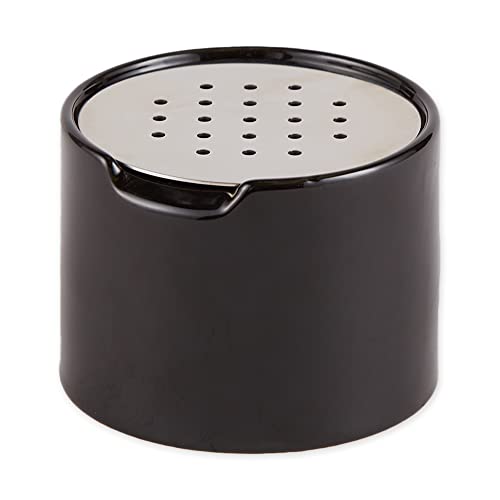
Fill the ceramic cup with an apple cider vinegar mixture and place perforated stainless steel lid on top
3 Simple Upgrades to Trap More Flies Faster
Simple bait improvements can significantly increase how quickly you trap flies. Swap plain apple cider vinegar for a more potent mix that includes fermented fruit juice or a yeast-and-sugar blend. These create active fermentation, producing stronger odors that attract flies faster. Adding a few drops of dish soap to the bait helps break surface tension, causing flies to sink and drown instead of escaping. For trap design, upgrade to a funnel-style entry or cover the opening with plastic wrap punctured with small holes; these one-way openings prevent flies from escaping. Using a vertical cylindrical or half-cut plastic bottle for the trap body also enhances effectiveness by trapping more flies inside longer. Combining these bait and design upgrades results in noticeably faster fly captures. For best results, position the trap bait placement near walls or corners where flies tend to travel, and avoid placing it in open or drafty areas. If you are concerned about outdoor pets or children interfering with the trap, using mosquito dunks offers a tested, non-toxic alternative for controlling biting insects in standing water. For a deeper understanding of why these attractants work, learning about active fermentation can help you tweak the mixture for even better results.

Effective and Fast-Acting Fruit Fly Trap for Indoors: Contains 3 stylish, refillable traps and 12 oz. of potent fruit fly attractant.

Effective Fruit Fly Trap Solution: The Fly Away Fruit Fly Liquid Lure is highly effective in attracting and trapping fruit flies, ensuring your kitchen and home remain free of these pesky insects.

Made for Plants, Kitchens & Tight Spaces at Home: Its compact size plugs in right where flying insects gather - next to houseplants, on shelves, or in kitchens, RVs, bathrooms and mudrooms. For best results, avoid competing light like windows or grow lights.
How Often to Refresh Your Fruit Fly Trap
You should refresh your fruit fly trap as soon as the bait dries out, emits an off smell, or if catches significantly decline. Homemade vinegar bait needs replacement every 3 to 7 days because its effectiveness diminishes quickly. Soap-and-vinegar mixtures typically last about 5 to 7 days, but in hotter, humid conditions, you should replace them every 3 days to maintain efficacy. Sticky cards should be replaced every 2 to 3 weeks, or sooner if they become clogged with dust or dead flies. Commercial lures generally last longer—around 6 weeks—according to manufacturer guidelines, but always check for any signs of reduced effectiveness. If you notice the trap filling up rapidly, it’s a sign to swap the bait more frequently. In heavy infestations, perform weekly inspections, and as activity slows, you can extend the interval between replacements. For those dealing with outdoor fruit sources, consider using bird netting to protect grass seed from birds, which is a different but effective pest barrier method.
What to Do About the Eggs and Larvae You Can’t See
Eggs and larvae are invisible to the naked eye but they are the true source of infestation. They can thrive in moist organic debris like under fruit skins, in drain slime, or along floor-wall cracks. These hidden stages develop rapidly and can burrow inside within three days, making them hard to detect until well-established. Similar to trapping a feral cat, removing the source is far more effective than relying on traps alone. To prevent future outbreaks, immediately discard overripe, bruised, or leaking produce. Using fresh bait inside a trap can improve capture rates, but it must be paired with source removal to succeed. Do not compost infested fruit, because larvae can survive there. Instead, freeze the contaminated produce for at least two days, boil it thoroughly, or solarize it in a sealed bag for three to seven days to kill any hidden eggs or larvae. For trap-based removal, choose an enclosed body trap to prevent access by non-target animals and ensure a quick, humane kill.
Your most effective defense is field sanitation: remove every potential breeding site before adding new traps. Store vulnerable produce in the refrigerator and seal rotten scraps in airtight bags for outside disposal. Remember, setting traps alone won’t stop the life cycle if unseen eggs keep hatching. Eliminating the source of the infestation is essential for long-term control.
Clean Drains and Produce Bins to Stop Reinfestation
Cleaning drains and produce bins is essential to prevent reinfestation. Start with drain maintenance by removing the strainer and scrubbing the interior pipe walls using a drain brush to dislodge biofilm. Follow up by flushing with hot water, then pour boiling water down the drain to kill any eggs and larvae. To keep the pipes cleaner over time, use an enzyme cleaner monthly to digest accumulated organic matter. Keep drains dry whenever possible because fruit flies need moisture to breed successfully. For groundhog traps, best bait options include sweet corn and peanut butter to attract them effectively.
For produce sanitation, empty and wash bins with hot, soapy water at least once a week. Pay special attention to scrub under lid rims and at the bottoms where liquids can pool. Rinse recycling containers thoroughly to remove fermenting residues that attract flies. Always cap open bottles and sanitize storage surfaces to eliminate potential breeding sites. Ensuring waste bins have tight-fitting lids helps block access and reduces fly populations.
Combining regular drain and bin cleaning interrupts the fruit fly lifecycle, removing both wet organic buildup and accessible food scraps. This comprehensive approach is key to sustaining a fly-free environment.
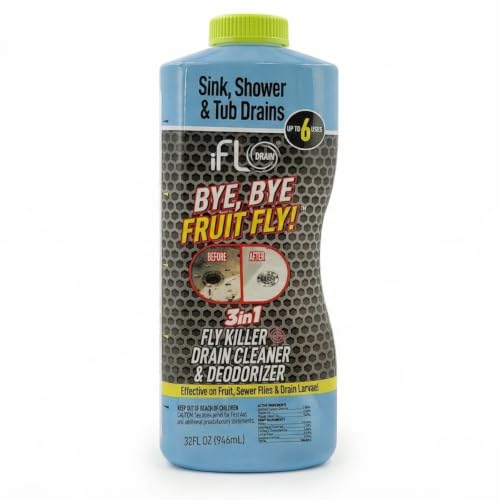
HELPS ATTRACT FRUIT FLIES: Our Drain Bye-Bye Fruit Fly uses advanced attract technology to help draw fruit flies away from fruit bowls and countertops toward your drain. Designed for use in drains where fruit flies are commonly found, it helps support a cleaner-feeling space. Suitable for use with fruit flies, drain flies, and sewer flies.

KILL FRUIT, DRAIN & SEWER FLIES: Get rid of the fly infestation and get back to enjoying your space. Green Gobbler's thick gel formula clings to pipes to eliminate annoying drain fly infestations. It kills fruit flies, drain flies and sewer flies.

A Natural Fruit Fly Solution: Our non-toxic gel formula is safe for use around food and anywhere in the home, kitchen, bar, or restaurant.
Why Trapping Alone Won’t Get Rid of Fruit Flies
Trapping alone won’t eliminate fruit flies because eggs, larvae, and pupae remain hidden in breeding sites, allowing new adults to keep emerging even after you’ve caught many. Females can lay between 400 and 500 eggs in fermenting material or organic debris, which hatch quickly—sometimes within a day or two. Since traps only catch adult flies, they don’t interrupt the development cycle happening inside the breeding substrate.
Larvae feed and grow in hidden, damp, or fermenting material such as rotting fruit, spilled juice, or damp mops. These hidden sites can support dozens of new flies, making it easy for the infestation to continue despite trapping. To effectively eliminate fruit flies, you must locate and clean all breeding areas thoroughly. Without removing these hidden sources, traps are only catching the visible flies, while the real population continues to develop underneath.
When to Call It Quits: When Traps Are No Longer Enough
If fruit flies keep appearing after two to three weeks of consistent trapping and cleaning, it’s time to reassess your approach. These traps have become a monitoring tool rather than a complete solution. Steady or increasing catches indicate a hidden breeding source still active. Check drains, garbage disposals, and behind appliances—common spots often overlooked. If you notice flies emerging from plumbing, mechanical cleaning is necessary instead of just spraying insecticides. For persistent infestations that spread across multiple rooms, professional intervention is advisable. In commercial kitchens, the risk to health standards becomes critical quickly. You might consider biological control methods such as parasitic wasps for drain habitats or targeted chemical treatments for hard-to-reach reservoirs. Continuing to trap without addressing the root problem means your efforts are no longer effective.