


If you’re dealing with pesky voles tearing up your garden or yard, you’re probably wondering how to trap them effectively. The key lies in understanding their pathways and setting the right traps in the right spots.
With a strategic approach, you can significantly reduce their population and protect your space.
Keep reading to learn the best steps for trapping and managing these little underground invaders.
Spot the Signs: Where to Find Active Vole Runways
Voles create narrow surface runways about 1.5 inches wide, resembling flattened grass paths or shallow ditches. These trails connect burrow openings to feeding areas and are easiest to find in dense grass, flowerbeds, and under shrubs—where they feel safest from predators. Unlike moles, voles are rodents, and some people mistakenly try ultrasonic repellents to deter them, but these devices are ineffective for controlling rodent activity. To locate active runways, part the grass along suspected paths and look for signs like bare soil, flattened vegetation, or grass clippings. Fresh droppings inside the trails confirm recent activity. Hide these trails inside mulch beds, loose dirt, or deep thatch to keep them concealed. Distinguish vole runways from mole tunnels by checking for shallow crevices rather than soil ridges, as the most worn and debris-laden runways indicate highest activity. This process is similar to identifying pest pathways when rodent-proofing a feeder, since both require observing subtle ground signs. For protecting garden beds from these pests, consider using best garden netting reviewed for quality and value.
How Many Vole Traps Do You Need? (Start With 12–24)
Start with 12 to 24 traps for an average backyard vole problem. This range provides enough coverage to effectively control vole activity without wasting traps. For smaller, localized issues, 10 to 12 traps might suffice. However, a typical backyard with multiple hotspots generally requires around 15 to 20 traps. Increase the number of traps if activity is widespread or persistent. Proper trap placement is essential—distribute traps across active runways and holes, placing two to three per hotspot. Avoid clustering all traps in one area to maximize coverage. Bait selection also matters; use attractants like apple slices or peanut butter for quick results. If trap captures stay low after a few days, add more traps or reposition them to fresh, active areas. Adjust the number of traps based on ongoing activity to ensure continuous control. For protecting water features from vole damage, consider using pond netting to block access while traps remain active. Using a squirrel-proof pole can help keep traps stable and inaccessible to larger pests. For persistent vole problems, a heavy-duty wooden trap can be reused across multiple seasons, unlike some flimsier plastic models.
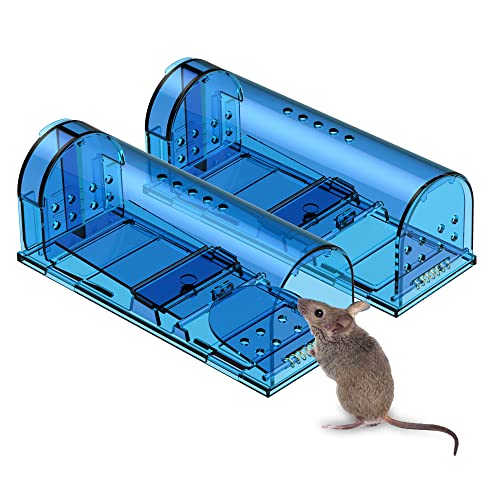
100% HUMANE & STRESS-FREE: Eliminate your rodent problem without the guilt. Our smart-trap design captures mice alive and unharmed, featuring extra ventilation holes to ensure the "little guy" stays comfortable until you release him back into the wild.

12.5 x 5.5 x 4.5 inches live cage trap, humane way to catch, relocate and release rats, mice and chipmunks
Why Snap Traps Work Best for Small Vole Populations
Snap traps are the most effective choice for small, localized vole populations because they provide immediate, targeted control. Unlike bait stations that require rodents to ingest bait or colony-level ingestion to be effective, snap traps kill instantly. Proper placement is crucial—set them perpendicular to active runways with the trigger in the vole’s path of travel. Using fresh bait like peanut butter or apple slices can improve the trap’s effectiveness, but it’s the trap’s mechanical action that does the real work. For best results, follow effective groundhog trap baiting techniques by placing bait only at the back of the trigger plate and securing it with twine to prevent easy removal. Because snap traps reset after each catch, they continue to apply pressure on the remaining voles, making them ideal for small populations. Cover each trap with a lightweight shingle or box to hide it from birds while still allowing access for voles. For a more durable barrier against repeated tunneling, consider using 19 gauge hardware cloth beneath the trap area to reinforce the soil or nearby garden beds. With only a few animals to remove, snap traps intercept them faster than bait stations, stopping tunneling and feeding before significant damage occurs. When using snap traps, avoid any wasp spray as a repellent or killer since it is not designed for mammals and can pose safety risks to pets or children.

!! IMPORTANT !! - Always set these traps on a flat surface, if they aren't flat when set they may be damaged when sprung. !! IMPORTANT !!

QUICK AND EASY TO SET: These ultra-effective rodent traps are designed for hassle-free setup with clear, easy-to-follow instructions, ensuring anyone can set them up correctly in seconds to protect your home and yard from rats, mice, chipmunks, voles, and other rodents.

Take Back Your Home from mice, rats, and other rodents with the effective large rat traps by Cat Sense. Designed to be clean, reusable, and reliable, with a high-performance trapping design for consistent results.
Set Traps Trigger-First in the Runway
To maximize the effectiveness of snap traps for small vole populations, set them in the correct runway orientation. The trigger should be placed directly in the vole’s travel line to ensure contact during normal movement. Locate a well-worn surface path and avoid traps on dead-looking trails, as voles tend to stick to their usual routes. Position the trap perpendicular to the runway, with the trigger end facing the direction of travel. For a single trap, position the trigger in the middle of the path. When using paired traps, set them back-to-back with triggers facing opposite directions to cover voles traveling in either direction. This arrangement doubles your chances of capturing the animals. Cover the trap with a box to protect it from the elements and check it daily for optimal results. For additional discouragement, apply coyote urine smell near the runway to deter voles from bypassing the trap. To secure the trap’s box covering, use cut chicken wire to create a sturdy barrier that prevents larger animals from disturbing the setup.

Hidden Your Trap: Live trap cage dimension is 32 x 10 x 12 inches, Covered the trap cover could create a safe atmosphere for animals and increase the speed of capture

Soothing Anxiety: Animal trap cage cover offers animal a sense of security, privacy. Covered the trap cage after the capture, try to make the animal as comfortable as possible,which also can help reduce stress. Recommend for cage size 32 x 10 x 12 inches. Protect your car from animals during transportation.
Bait or No Bait? When Peanut Butter and Oatmeal Actually Help?
Using bait on a snap trap is optional but can significantly increase your chances of success. Peanut butter is a popular choice because it’s sticky and aromatic, so it sticks well to the trigger and isn’t easily stolen by mice. Mixing in oatmeal adds bulk and texture, forming a small paste dab that can attract rodents more effectively. This combination works especially well when voles are active at night and their runways are inconsistent, making crossing points unpredictable. For best results, use peanut butter as a top bait option due to its sticky texture and strong scent.
If your trap is placed perpendicular in a clear runway, you might not need bait at all; placement alone can be enough to catch rodents. However, during periods of low activity or when runways are uncertain, applying a peanut butter and oatmeal mixture provides that extra encouragement to lure them in. Always cover baited traps with a cover, which not only protects the bait from the elements but also reduces predators’ curiosity, like birds or larger wildlife, risking the trap being disturbed. Remember, location should always come before bait, so prioritize strategic placement first. You can also build a simple DIY trap from cheap materials to target voles in garden beds.

Alluring Peanut Butter Scent & Easy to Use: Simple to set up, and pre-baited with an irresistible peanut butter scent, our glue trap does not require any additional bait. The mouse traps require minimal maintenance. Just place them along the walls in your garage or basement or under the refrigerator and capture your home invaders. Simply throw it away when done.

Match Mice’s Food Preferences: Select a gel scent based on what mice already eat in your home—cheese, peanut butter, cocoa, or meat. It draws mice toward snap traps, glue traps, live traps, electronic traps, or bait stations (traps not included)

ATTRACTS MICE AND RATS: Tomcat rodent attractant gel attracts both mice and rats and can enhance the effectiveness of any mechanical rodent trap
Check Traps Daily: Reset Springs and Remove Dead Voles
Check traps daily to maintain effective vole control. Each day, you should inspect all traps to reset any that have sprung and to remove any dead voles. Modern trapping practices emphasize daily checks over infrequent inspections, as this reduces stress and mortality for the animals. Immediately reset traps that have been sprung, re-baiting them to ensure they remain active. Use gloved hands to carefully remove dead voles, then bag and dispose of carcasses promptly to prevent odors that can reduce trap effectiveness. For a similar reason, avoid using coyote urine as a deterrent, since coyote urine can attract more coyotes to the area rather than repelling them. The scent may also create a false sense of security, as predator odors rarely provide a lasting solution for ground-dwelling pests. For vole infestations near structures, consider placing bait stations with rodenticides in secure, tamper-resistant boxes to supplement trapping efforts.
Daily inspections also help confirm that your traps are correctly placed in active vole runways and preferred habitats. If you notice a decline in captures, move the traps to new locations where vole activity is more evident. Continue this routine, resetting and removing carcasses, until you go a full week without any new catches. This consistent approach allows you to track activity levels precisely and indicates when vole populations have been controlled effectively.
Keep Pets and Birds Safe With Covered Trap Stations
Position your trap station along vole runways and hide it under shrubs or boards to keep it out of sight. Avoid placing it in open areas near bird feeders or water sources to prevent disturbing wildlife. Use rebar stakes to secure the station and prevent pets from dragging it away. For extra protection around the trap station, consider using heavy-gauge chicken wire to reinforce the cover against chewing rodents. When selecting materials to protect your hands from the chemicals in rodenticides, always choose chemical resistant gloves to avoid skin exposure. Never use glue traps or leave bait exposed, as these pose risks to birds and curious pets. Enclosing your snap trap in a protective cover ensures non-target animals are safe while maintaining effective vole control. If you accidentally trap a different animal, approach the trap slowly and cover it with a towel to keep the animal calm before releasing it safely away from your yard.

CHEMICAL RESISTANT GLOVES: Durable PVC coating protects against harsh chemicals, adhesives, detergents, and diluted bases and acids, making them ideal chemical gloves

Durable and Sensitive: antools industrial-strength rubber gloves, featuring a two-toned and double-dipped blend of neoprene and natural rubber, boast a thickness of 28 mil (0.8 mm). They maintain softness while ensuring durability, offering exceptional tactility, sensitivity, and dexterity, flexible enough to handle small objects.

Heavy-Duty Chemical Resistance: High-end nitrile gloves possess excellent chemical resistance, providing a tough barrier against harsh substances such as industrial solvents and cleaners, so you can handle lab work or heavy-duty tasks with confidence.
Relocate Traps When Catches Stop for Two Nights
If you haven’t caught a vole after two consecutive fair-weather nights, it’s time to relocate your traps. This indicates your current trap placement isn’t effective—well-set traps normally catch voles within 24 hours. No catches suggest the runway is inactive or you’re off the vole’s main travel route. For a more sustainable approach, consider building a simple baffle to protect traps from larger animals.
Move traps to fresh runways, burrow openings, or areas showing new surface signs like clipped grass or fresh holes. Voles tend to stay close to their runways, so set traps perpendicular to the tunnel with the trigger directly in the path. Only reposition traps that are cold or inactive; keep active spots operational. These pests typically remain in their runways and small holes outdoors, so targeting these exact features improves capture success.
Focus your relocation efforts on the areas with the most recent signs of vole activity. Use fresh surface signs as your guide rather than sticking to a fixed schedule. Prioritizing newly active runways boosts your chances of catching voles quickly.
Dispose of Dead Voles: Follow Local Rules and Safety
Dispose of dead voles properly by following these steps. First, wear disposable gloves to protect yourself from potential pathogens. Use tongs or a shovel to carefully place the carcass into a sturdy plastic bag. Seal the bag tightly and then double-bag it to prevent leaks. Afterward, spray the carcass and surrounding area with disinfectant or diluted bleach to disinfect surfaces and reduce odor. Thoroughly clean and disinfect any tools used during the process.
Choose an approved disposal method based on your local regulations. If permitted, bury the sealed bag at least two feet deep away from water sources to prevent contamination. If burial isn’t allowed, place the bagged carcass in a covered trash container or deliver it to a municipal waste disposal facility. Always verify and follow your local rules to ensure safety and compliance.